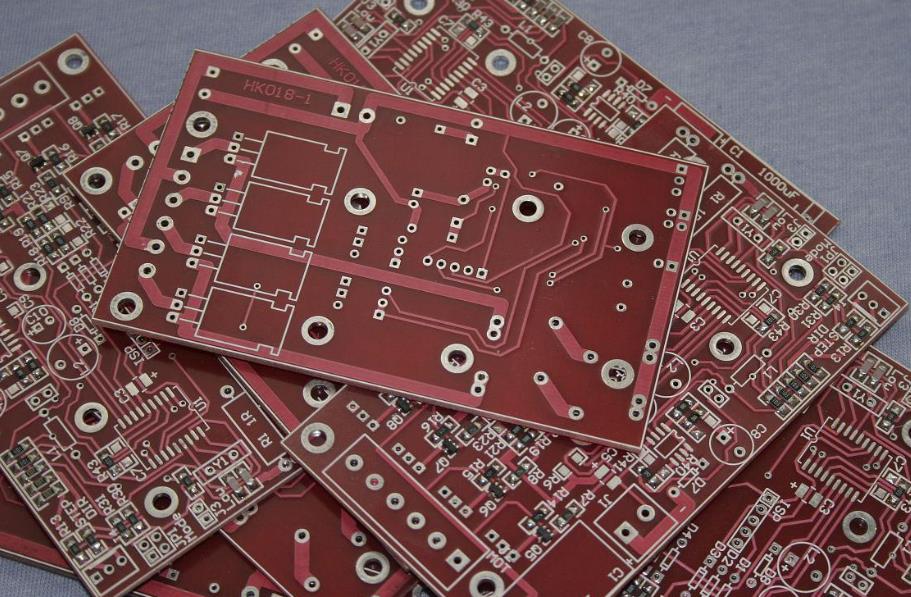
PCBA Process Control in SMT Manufacturing: Guide PCBA process control keeps every step of SMT manufacturing within an acceptable range. Solder paste printing, component placement, adhesive application, reflow soldering, and inspection all affect the final quality of the assembly. Process control also includes equipment maintenance, operator training, material handling, and…
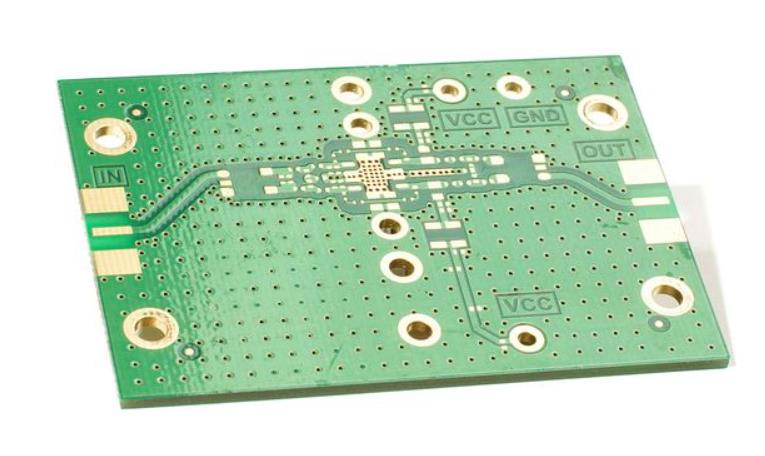
SMT Machine Online Programming and Changeover Guide SMT machine online programming lets an operator create or edit a placement program directly on the machine. The program defines the components, their coordinates, rotation angles, feeders, nozzles, and placement order. Online programming is commonly used when offline software is not available, when…
SMT Placement Machine Operation Process and Setup The SMT placement machine operation process begins long before the first component is picked. The machine must be set up with the correct PCB, feeders, nozzles, and program data so that every component can be placed accurately without damaging the board or the…
X-ray Inspection of PCBA Boards: Complete Guide X-ray inspection of PCBA boards is used to see solder joints and internal structures that cannot be checked by eye or by an ordinary optical system. X-rays have a very short wavelength and very high energy, which allows them to pass through materials…
SMT Placement Head Guide: Nozzles, Vision and Accuracy An SMT placement head is the intelligent robotic arm at the center of a pick-and-place machine. It moves in three dimensions, picks components from feeders, corrects their orientation, and places them on the PCB at the exact pad position. The placement head…
SMT Production Line Equipment and AOI Inspection Guide SMT production line equipment works together to place electronic components on a bare PCB, solder them into place, and verify that the assembly is correct. A complete line may contain loaders, solder paste printers, SPI, placement machines, reflow ovens, wave soldering systems,…
SMT Placement Machine Programming: Setup and Optimization SMT placement machine programming is the process of creating, optimizing, and verifying the program that controls a pick-and-place machine. The program tells the machine which components to pick, where to pick them, where to place them, and how the placement head should move…
PCB Grounding and Power Routing: Design Guide PCB grounding and power routing determine how current reaches every component and how return current finds its way back to the source. A board can have the right schematic and still fail if the power and ground nets are routed carelessly. Modern products…
PCB Fiducial Markers: Why They Matter for SMT Assembly PCB fiducial markers are small copper reference patterns that let an SMT placement machine identify the exact position and orientation of a circuit board. Without these markers, automated assembly cannot reliably place components at the tiny tolerances required by modern electronics.…
PCBA Reflow Temperature Profile: Three Common Curves A PCBA reflow temperature profile controls how an assembled circuit board is heated, soaked, reflowed, and cooled inside the oven. Solder paste, components, and PCB material all respond to temperature in different ways. If the profile is too fast, too hot, or uneven,…