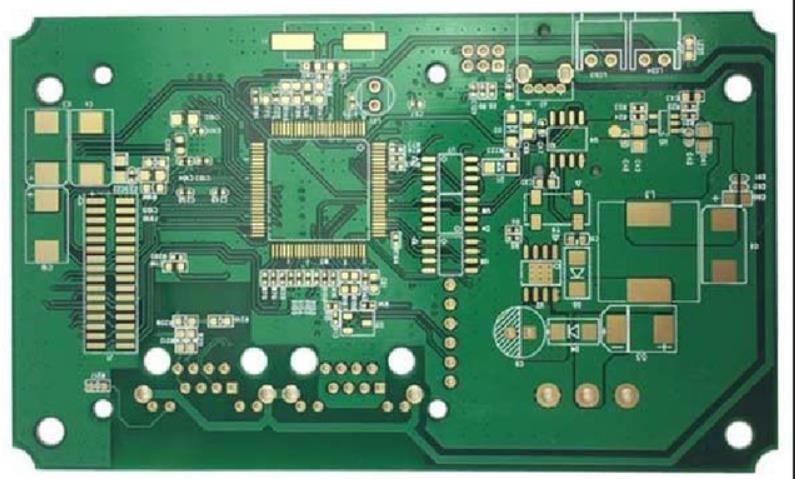
Improve SMT Production Line Throughput: Placement Optimization SMT production line throughput is usually limited by the placement machine. The printer, mounter, and reflow oven must work at a balanced speed so that no single machine waits for another. Improving throughput is not only about buying a faster mounter; it also…
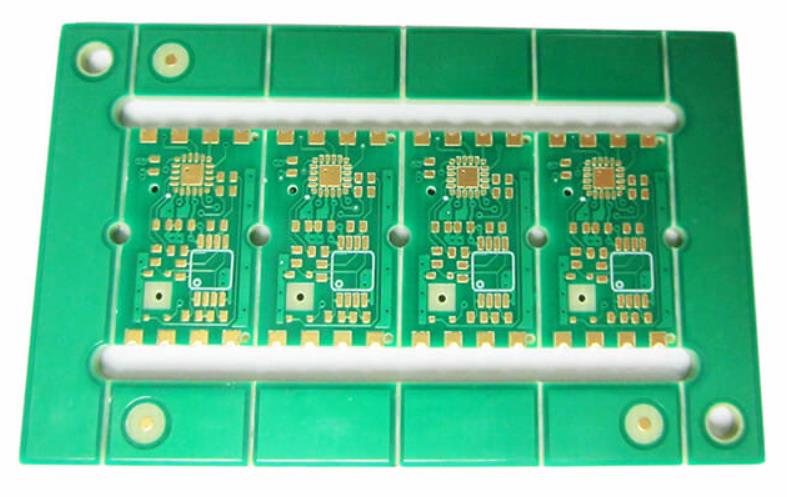
SMT PCB Assembly Process Control: Error Prevention Guide SMT PCB assembly process control measures are defined for every step from solder paste application to component placement and reflow soldering. SMT is a popular assembly technology because it allows high density and fast production, but it can only produce reliable boards…
Manual and Automatic SMT Assembly: Process Guide Manual and automatic SMT assembly are used together in a modern PCBA factory. Automatic pick-and-place machines place surface mount components at high speed, while manual methods remain useful for through-hole parts, prototypes, and small production quantities. The factory chooses the correct method for…
SMT Mounting Principle: Placement Machine Mechanics The SMT mounting principle explains how a placement machine picks a component from its feeder, verifies its position, and places it exactly on the pad of a PCB. SMT stands for surface mount technology, and the mounting machine is the key equipment that performs…
SMT Red Adhesive Process and Mounter Belt Maintenance The SMT red adhesive process uses chip adhesive to hold surface mount components on the PCB before wave soldering. The adhesive is often red, which makes it easy for the operator and AOI system to see where it was applied. Red adhesive…
SMT Factory Cleaning and Inspection Guide SMT factory cleaning is much more than sweeping the floor. Cleaning removes garbage, dust, and stains that can contaminate solder paste, block machine nozzles, and cause intermittent quality problems. In an SMT workshop, cleaning is an equipment maintenance activity as well as a housekeeping…
SMT Connector Design Guide: Four Key Elements SMT connector design must provide reliable solder joints, mechanical support, and stable electrical contact in a small surface mount package. Connectors are different from ordinary chip components because they are inserted and removed many times during service. The repeated insertion force and thermal…
5S Implementation in SMT Factory: Practical Guide 5S implementation in SMT factory creates a clean, organized, and disciplined production environment. The five steps are sort, set in order, shine, standardize, and sustain. When applied in an SMT workshop, 5S reduces lost materials, prevents operator errors, improves machine reliability, and makes…
SMT Visual Management and Factory Process Guide SMT visual management helps factory operators see the normal state of the production line at a glance. A well-organized SMT workshop uses labels, color codes, instruction boards, and clear process displays so that every person can understand the job requirement without searching for…
3D AOI in SMT Production: Role and Benefits 3D AOI in SMT production gives manufacturers a fast, accurate way to inspect printed circuit boards for soldering defects. AOI stands for automatic optical inspection. The system uses cameras and optical technology to scan the PCB, capture images, and compare every solder…