Smart Meter PCBA Design: EMC and Cost Optimization Guide Smart meter PCBA design must balance measurement accuracy, communication stability, power efficiency, EMC compliance, and production cost. Smart meters are used by utilities to record energy consumption, communicate with central systems, and support demand management. Their PCB assemblies contain metering ICs,…
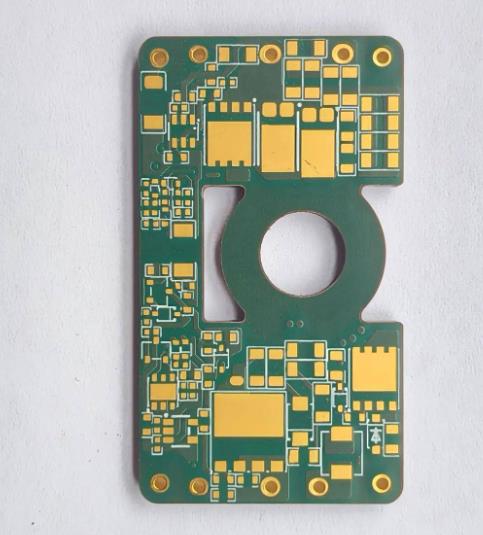
Zero-Defect PCBA Manufacturing: Quality System Guide Zero-defect PCBA manufacturing is a quality approach that tries to prevent defects rather than simply repair them after assembly. The goal is not an unrealistic promise but a system of design review, clean production, automated inspection, engineering support, and traceability that keeps defects from…
AOI in PCBA: Technology, Applications and Benefits Guide AOI in PCBA uses cameras, lighting, and image processing software to inspect assembled circuit boards automatically. AOI stands for automated or automatic optical inspection. It checks components for correct presence, position, orientation, and solder joint quality after placement and reflow. Because AOI…
PCBA DFM Analysis: Improve Yield and Reduce Risk Guide PCBA DFM analysis is a review of the PCB design and assembly requirements before production begins. DFM stands for design for manufacturability, and its purpose is to find design features that will be difficult or expensive to build. Many common PCBA…
PCBA Incoming Inspection Process: Materials to Zero Defects The PCBA incoming inspection process is the first quality barrier in electronics manufacturing. Components, PCB boards, solder paste, and other materials are checked before they enter the production line. If a defective capacitor, wrong resistor, or damaged board reaches assembly, it can…
PCBA Order Review Process: Verification and Quality Guide The PCBA order review process is the technical and quality review completed before a PCB assembly order is released to production. During this stage, the manufacturer checks the process documents, hardware design, materials, equipment, and test plan against the customer’s requirements. Order…
First Article Inspection in PCBA: Process and Benefits Guide First article inspection in PCBA verifies that the first assembled board from a new production run matches the design files and BOM before the factory starts producing the full quantity. Also called FAI, this check prevents wrong components, reversed polarity, missing…
DIP Inspection in PCBA: Through-Hole Quality Control Guide DIP inspection in PCBA is the quality control step used after dual in-line package and other through-hole components are soldered. DIP boards contain connectors, transformers, relays, capacitors, and other parts with leads inserted through plated holes. The quality of these solder joints…
QA in PCBA: Quality Assurance vs Quality Control Guide QA in PCBA refers to the quality assurance system used to prevent defects before they happen. While quality control focuses on inspecting the product during and after production, quality assurance builds the procedures, standards, training, and process controls that reduce the…
Visual Inspection in PCBA: Methods and Best Practices Visual inspection in PCBA is one of the oldest quality control methods in electronics manufacturing, and it remains important even when automated systems are used. Inspectors look for visible soldering defects, component placement errors, contamination, physical damage, and assembly issues that can…