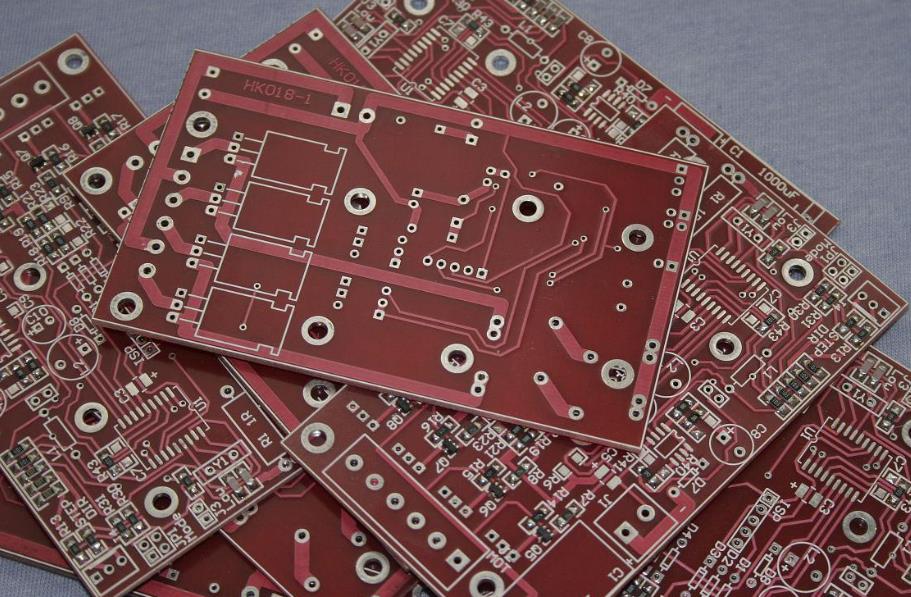
choose SMT pick and place Machine: Buying G Choosing an SMT pick-and-place machine is a major investment for any electronics factory. The machine must place components quickly and accurately enough for the products being built. It also needs to fit the factory’s available space, feeder capacity, and future growth. A…
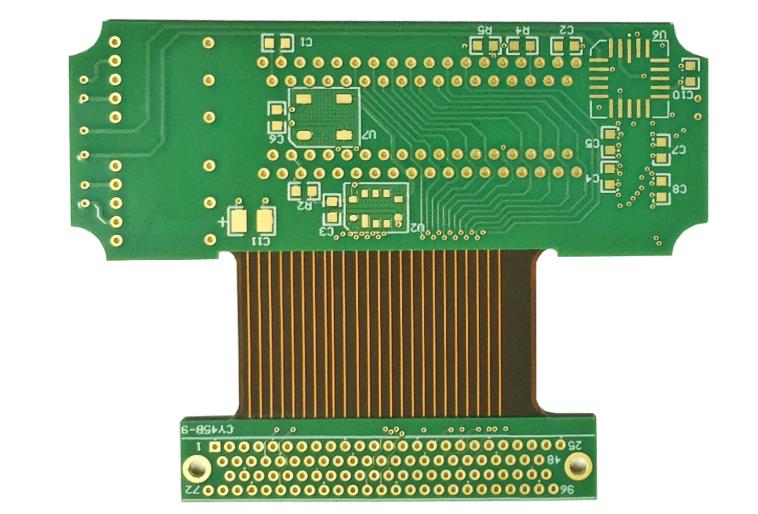
SMT Operator Job Duties: Roles and Best Practices The SMT operator job duties go far beyond standing beside a placement machine. Operators control quality, support machine setup, manage feeders, inspect the first article, monitor production, and follow ESD rules. Their decisions affect yield, delivery, and the reliability of every board…
SMT solder balling prevention and Pick-and-Place Workflow Guide SMT solder balling and pick-and-place workflow are two important parts of successful surface mount assembly. Solder balling, sometimes called grape balling, occurs when solder paste does not melt into one clean joint and instead forms small balls or clusters on the board.…
Double-Sided PCB Manufacturing and Assembly Guide Double-sided PCB manufacturing allows copper traces and components on both sides of the board, making it possible to fit more functions into a compact design. These boards are usually made from epoxy glass copper-clad laminate and are widely used in communication devices, instruments, computers,…
Counterfeit Components in PCBA: Risks and Prevention Guide Counterfeit components in PCBA can create serious quality, safety, and financial problems. A fake component may look like the original but contain lower-quality silicon, the wrong die, or no die at all. It may fail early, operate outside its rated limits, or…
How to Clean a PCB: Dust, Flux and Corrosion Methods Learning how to clean a PCB is important because contamination can reduce reliability even when a circuit board was designed and assembled correctly. Dust, flux residue, fingerprints, moisture, and corrosion can cause leakage current, electrochemical migration, short circuits, or intermittent…
High-Mix Low-Volume PCBA Manufacturing Guide High-mix low-volume PCBA manufacturing is the production of many different board designs in small quantities. It is common in industrial controls, medical devices, prototyping, communications, and custom electronics, where customers need flexibility rather than millions of identical boards. While this model supports a wide product…
MES for PCBA Manufacturing: Tracking and Quality Guide MES for PCBA manufacturing helps electronics factories control production in real time. MES stands for manufacturing execution system, and it connects production machines, operators, materials, quality checks, and orders in one digital platform. Instead of relying on paper records or manual reports,…
PCBA QC Checklist: 19 Inspection Steps for High Yield A PCBA QC checklist defines every quality check that must be completed before a printed circuit board assembly is released to the customer. High-yield PCBA factories do not achieve reliability with one final inspection. They control the process from design review…
Overseas PCB Assembly Manufacturing: Tariff and Supply Guide Overseas PCB assembly manufacturing is a supply chain strategy that gives electronics companies more flexibility when tariffs, trade policy, and logistics costs change. Instead of relying on one country for all PCB production, buyers can qualify assembly capacity in several regions and…