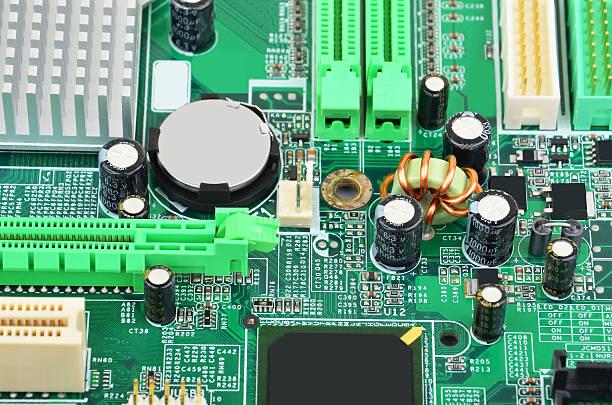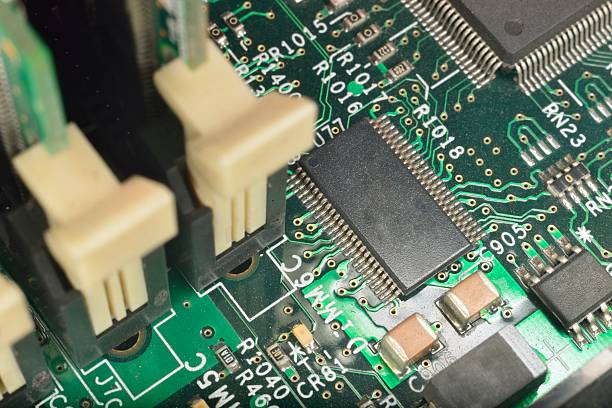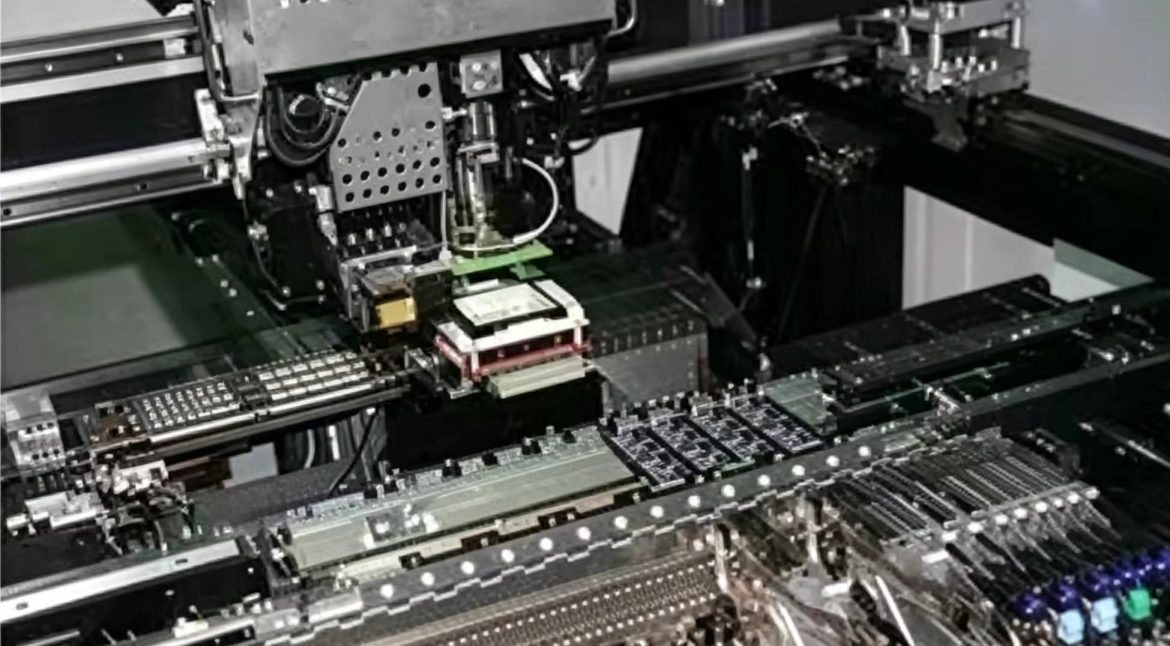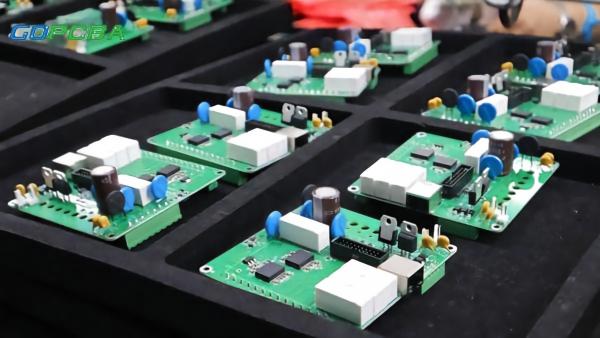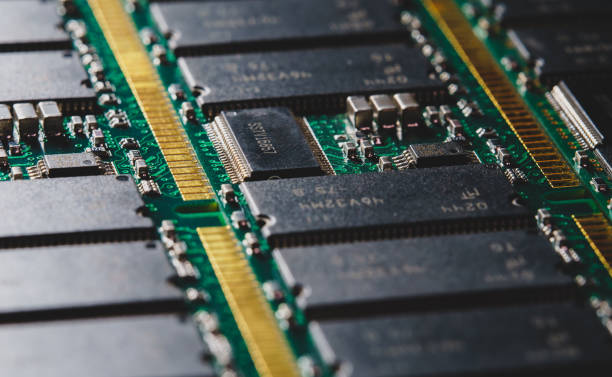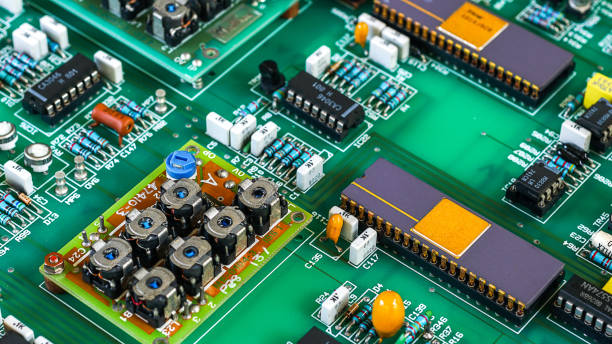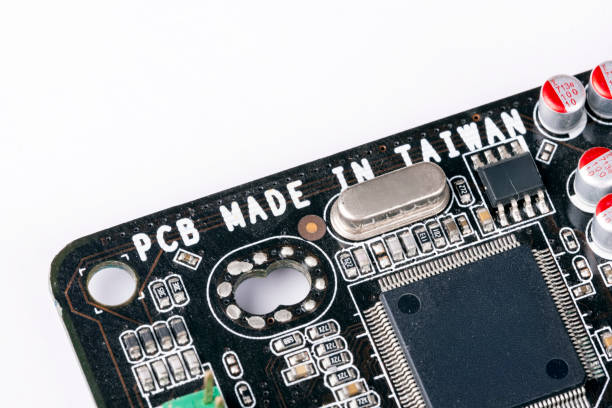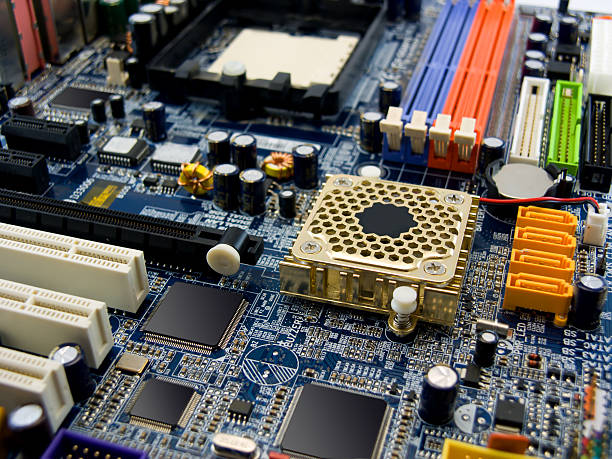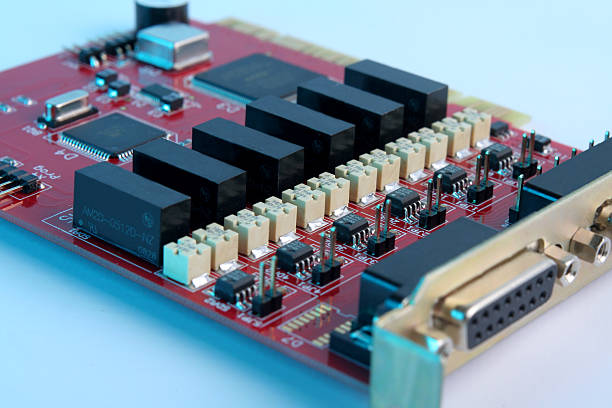
Medical PCB Manufacturer for Healthcare Applications The medical industry has extremely high requirements for PCB reliability, stability, and safety. Therefore, a professional Medical PCB Manufacturer must possess advanced manufacturing capabilities, strict quality management systems, and industry-specific expertise to meet the demanding requirements of medical equipment applications. Medical devices directly affect…
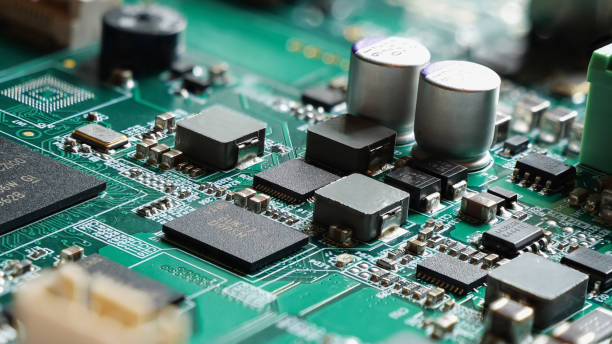
PCB Etch Back Process and Its Importance in PCB Manufacturing Among the many processes involved in PCB Manufacturing, PCB Etch Back is a critical technology that has a significant impact on circuit board performance, reliability, and long-term stability. The same discipline applies to PCB Etch Back, where a small…
PCB Inner Layer Circuit Manufacturing Process The inner layer circuit is the core structure of a multilayer circuit board, and its manufacturing quality directly determines the electrical performance, stability, and reliability of the final PCB product. With electronic devices continuously developing toward miniaturization, higher performance, and increased integration,…
Carbon Ink PCB Manufacturing and Applications Among various PCB solutions, Carbon Ink PCB has become an important option for specific electronic applications due to its unique electrical and mechanical properties. By printing carbon ink onto the PCB surface to create conductive traces or contact points, carbon ink boards provide…
RF PCB Lamination Structure Design As a critical platform for high-frequency signal transmission, the lamination structure of an RF PCB directly determines signal stability, transmission loss, and electromagnetic interference resistance. Compared with conventional circuit boards, RF PCB lamination structures require more precise planning in terms of material selection, layer…
Effect of Material Hardness on PCB Manufacturing Process During PCB Manufacturing, material hardness is an important factor that is often overlooked but plays a critical role in product quality and performance. From substrate materials and copper foils to various auxiliary materials, different hardness characteristics directly influence multiple manufacturing stages,…
Multilayer PCB Inner Layer Lamination Sequence The Multilayer PCB lamination sequence is a critical factor that determines the structural stability, electrical performance, and manufacturing yield of a circuit board. For complex products such as high-layer-count mixed-material PCBs and high-frequency high-speed PCBs, a properly designed inner layer lamination sequence ensures…
HDI PCB vs Through-Hole PCB: Complete Comparison Guide Printed circuit boards (PCBs) are essential platforms for connecting electronic components and enabling electrical communication within modern devices. Among various PCB technologies, HDI PCB and through-hole PCB are two representative solutions with significant differences in structure, manufacturing technology, electrical performance, cost,…
Comparison of Different Copper Foil Types in PCB Manufacturing Copper Foil is one of the most important materials in PCB manufacturing because it forms the conductive pathways that enable electrical signal transmission. The selection of copper foil directly affects PCB performance, manufacturing cost, reliability, and application suitability. In modern…
Small Batch Multilayer PCB Manufacturing for Customized Electronic Applications Small Batch Multilayer PCB Manufacturing is a specialized area in the PCB industry that requires both advanced technical capabilities and flexible production management. These PCBs are commonly used for research and development verification, customized electronic equipment, industrial instruments, and high-end applications.…