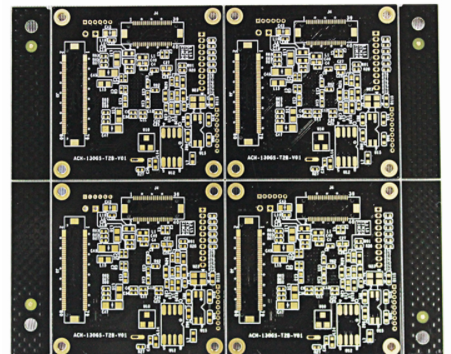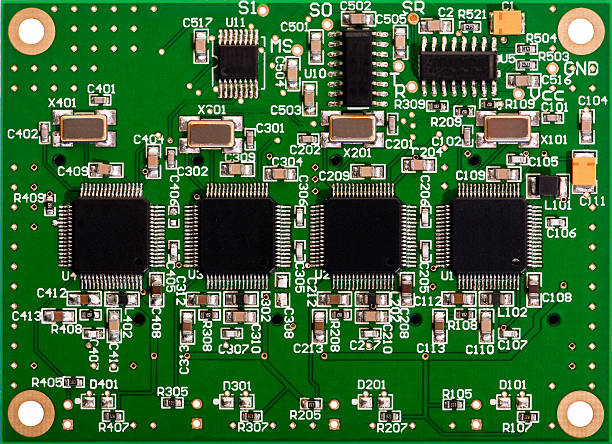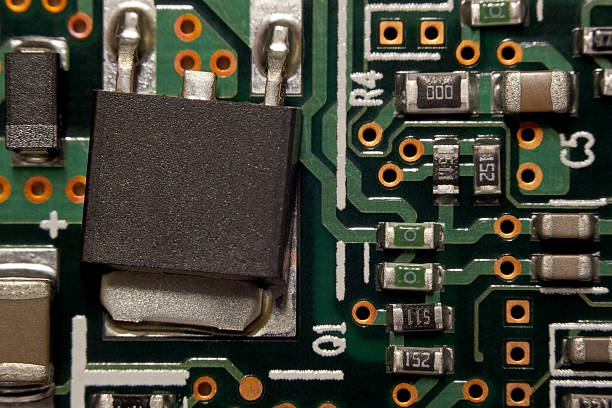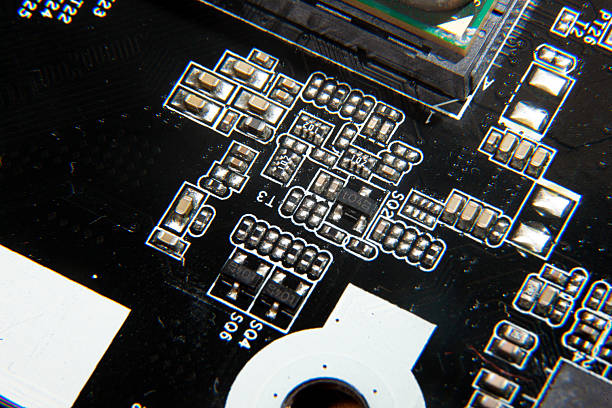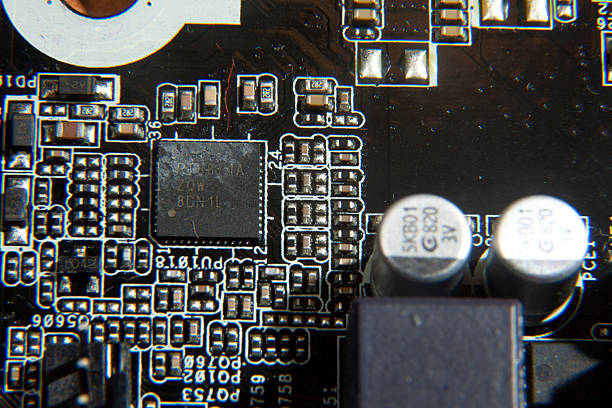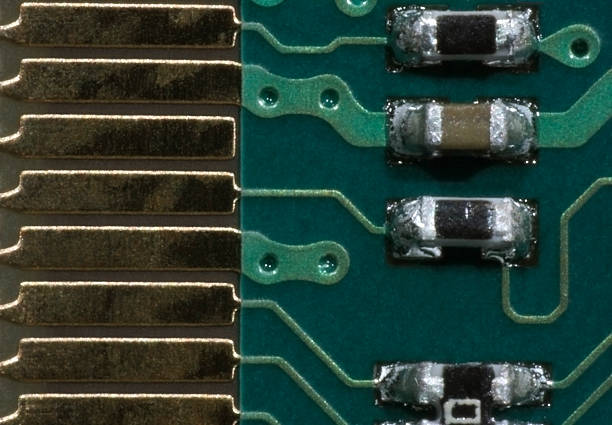
How Strict Testing Ensures Long High-Speed High-Frequency PCB The same discipline applies to High-Speed High-Frequency PCB, where a small process drift turns into a large yield loss. PCB lifespan directly affects the reliability, maintenance requirements, and total cost of ownership of end equipment. Whether used in 5G base stations,…
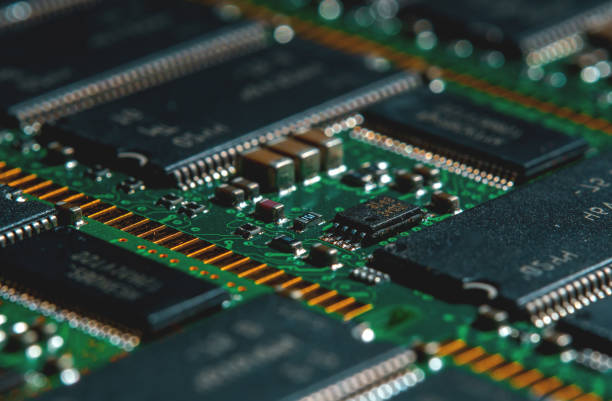
How to Manufacture High-Reliability 5G Base Station PCBs 5G base stations are critical infrastructure for modern communication networks and are expected to operate reliably for extended periods, often in demanding outdoor environments. The reliability of the PCB inside a base station directly affects communication performance, maintenance requirements, and overall…
PCB Prototype to Mass Production: How to Ensure a Smooth Transition and Consistent Quality The prototype stage is essential for validating product feasibility, identifying manufacturing issues, and refining production processes. Mass production, meanwhile, focuses on efficient manufacturing, stable quality, and reliable delivery at scale. The same discipline applies to…
Multilayer PCB Manufacturing Process: A Complete Step-by-Step Guide Multilayer PCB manufacturing is a precise and systematic process in which every production stage directly affects the electrical performance, mechanical strength, reliability, and service life of the finished circuit board. From raw material preparation and inner-layer fabrication to lamination, drilling, outer-layer…
PCB Copper Thickness Control: Ensuring Stable Current Carrying Capacity in PCB Manufacturing In PCB manufacturing and electronic applications, copper layer thickness is one of the most important factors determining electrical performance and reliability. Stable PCB Copper Thickness Control ensures that current can flow efficiently through circuits without excessive heat generation,…
How to Achieve ±0.2mil Trace Width and Spacing Control in PCB Manufacturing In advanced electronics manufacturing, trace width and spacing accuracy directly determine circuit density, signal integrity, and product reliability. The ability to achieve ±0.2mil precision has become one of the most important indicators of high-end PCB manufacturing capability. This…
Solder Mask Process Explained: How to Achieve Precise Alignment and Excellent Insulation Performance In the PCB production process, the Solder Mask Process is a critical step that directly affects product reliability, safety, and long-term performance. Its main objectives are achieving accurate alignment and creating a durable insulation layer. Precise…
How to Achieve Mass Production of High-Density PCB and Miniaturized PCBs As electronic devices continue to become thinner, lighter, and more multifunctional, PCB requirements are increasingly focused on high-density PCB solutions and miniaturization. Modern electronic products require smaller circuit boards that can support more components and complex circuits while…
5 Hidden Supply Chain Cost Advantages of Choosing a Local PCB Manufacturer In the electronics manufacturing industry, supply chain management often focuses on visible costs such as material prices and manufacturing fees. However, hidden costs are frequently overlooked. These costs exist throughout communication, delivery, inventory management, technical support, and…
The same discipline applies to PCB Solder Mask Color, where a small process drift turns into a large yield loss. PCB Solder Mask Color Selection Guide: More Than Just Green The solder mask is an essential part of the PCB manufacturing process. It not only protects copper traces and…