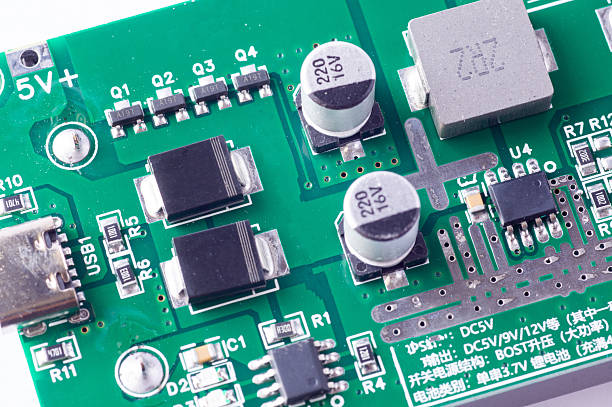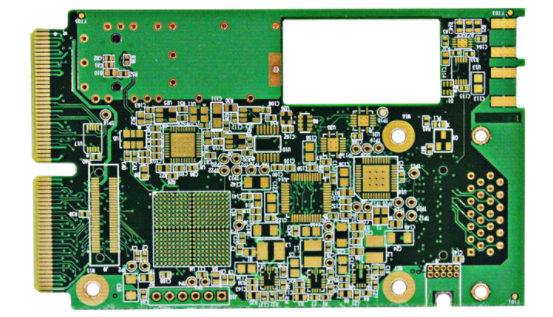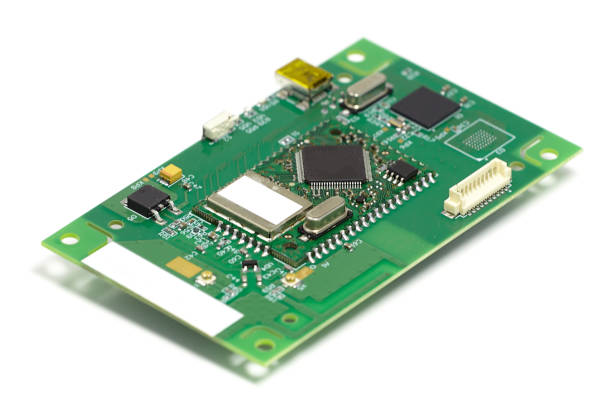
PCB Replacement Cost: PCB Repair, Replacement & Manufacturing Cost Guide A Printed Circuit Board (PCB) is designed and manufactured to reliably meet the requirements of its final application. It is a complex technical assembly consisting of conductive layers, electronic components, interconnections, and mechanical structures that work together under specific operating…
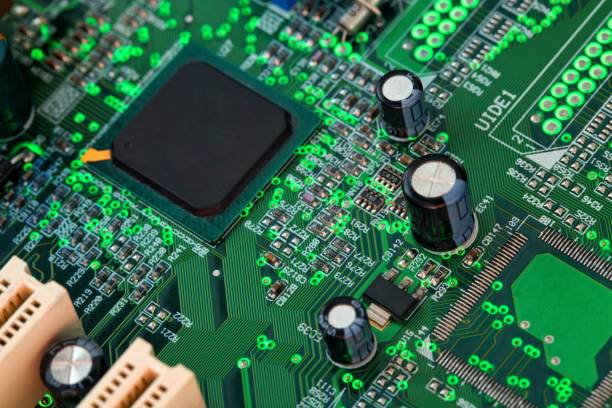
How to Add a Logo to a PCB in Altium: Complete PCB Design Guide Whether you are a hobbyist building a prototype or an engineer developing a commercial electronic product, you have probably noticed company logos, product names, symbols, or identification marks printed directly on a PCB. Adding a logo…
How to Change PCB Board Size in Altium: Step-by-Step PCB Design Guide PCB design is a highly technical process involving numerous parameters that directly affect manufacturing, assembly, mechanical integration, electrical performance, and product reliability. Everything that follows—from fabrication to component assembly—depends heavily on the design data finalized during the PCB…
PCB Thickness: Standard Thickness, Factors, Tolerances, and Selection Guide The thickness of an object is generally defined as the distance between its two outermost surfaces. In mechanical engineering and product development, thickness is an important design parameter because it can affect structural strength, weight, dimensions, and assembly compatibility. The…
Gerber to PCB: How to Convert Gerber Files into an Editable PCB Design In electronic engineering and PCB manufacturing, Gerber files are one of the most widely used formats for communicating fabrication data to a PCB manufacturer. They describe the physical artwork required to manufacture a circuit board, including copper…
How to Find a Short Circuit on a PCB: Step-by-Step Troubleshooting Guide A Printed Circuit Board (PCB) is the foundation of almost every modern electronic device, from smartphones and consumer electronics to industrial control systems and automotive equipment. However, even a well-designed and properly manufactured circuit board can develop faults…
How to Generate Gerber Files for PCB Manufacturing: A Complete Guide If you have ever designed a printed circuit board (PCB), you may know that you usually cannot send the original CAD design file directly to a PCB manufacturer and expect production to begin immediately. Manufacturers typically need a set…
Double-Sided PCB: Design, Structure, Benefits, Applications, and Manufacturing Guide Printed circuit boards (PCBs) are at the heart of almost every modern electronic product, from smartphones and consumer electronics to aerospace systems, industrial controllers, automotive electronics, and communication equipment. A single-sided PCB is suitable for relatively simple circuits because all conductive…
Press-Fit PCB Technology: Design, Benefits, Applications, and Reliability As modern electronic products continue to become smaller, more powerful, and more highly integrated, reliable interconnection between components, connectors, and subassemblies has become increasingly important. Integrating numerous components and functional modules onto a compact platform creates greater challenges for electrical connectivity, mechanical…
ENIG Surface Finish PCB: Process, Advantages, Defects, Reliability, and Applications As PCB manufacturing processes continue to evolve, manufacturers are adopting advanced techniques across individual production stages to meet increasingly complex design requirements and achieve consistent electrical, mechanical, and thermal performance. Every stage of PCB fabrication and assembly—from material selection and…