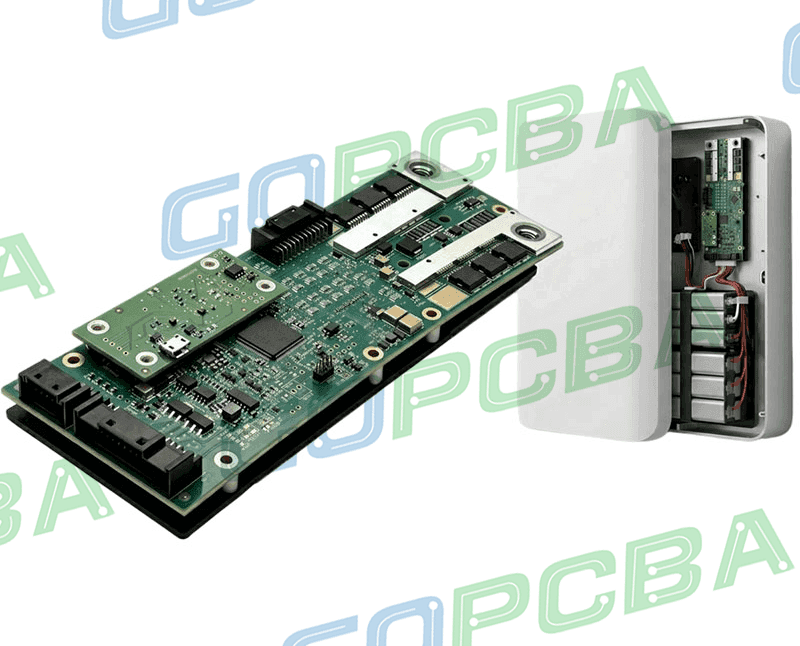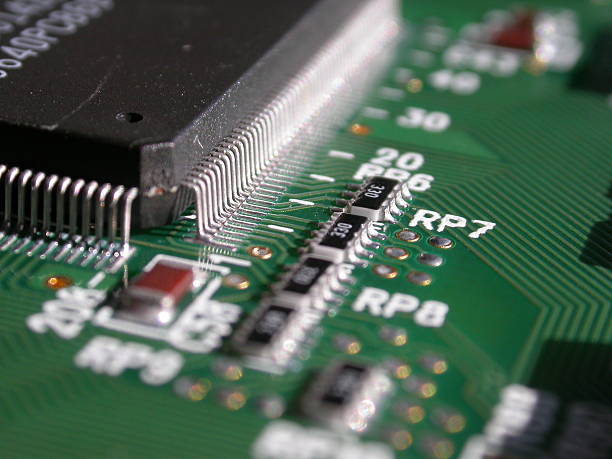
Etching Compensation and Resin Fill for Heavy Copper Motor Controller PCBs Heavy Copper PCB Etching Compensation and Resin Fill in New Energy Vehicle Motor Controller In new energy vehicle motor controller PCB design, heavy copper boards, usually defined as copper thickness of 3 oz per square foot or more, that…
Balancing Dielectric Thickness and Withstand Voltage in MCPCB Design Metal core printed circuit board, or MCPCB, is the preferred carrier for heat-sensitive electronic systems such as high power LED, IGBT modules, laser drivers, and power converters. Its core performance bottleneck often lies not in the copper circuit layer or the…
Thermal Via Array Layout and Plugging Selection in High-Power PCB Design Thermal Via Array Layout and Plugging Process Selection in High Power PCB Design In high power PCB design, the thermal via array is not a simple stack of conductive holes. It is the core execution unit of the thermal…
Copper Coin Embedding for Heat Dissipation in 5G Base Station PAs Embedded Copper Coin PCB Design in 5G Base Station Power Amplifier Heat Dissipation 5G base station RF power amplifier modules, or PA, experience significant junction temperature rise under high-frequency and high-power operating conditions. Typical GaN HEMT devices can exceed…
Trace Width, Current Capacity, and Copper Thickness Tolerance High Current PCB Trace Current Capacity and Copper Thickness Tolerance Design In high power electronic systems, the current carrying capacity of PCB traces is directly related to the reliability of the entire machine and the thermal safety boundary. Traditional design often relies…
Separating Thermal and Electrical Paths in High-Power LED PCB Design In high power LED lighting applications, the driving current of a single LED chip often reaches 350 mA to 1,500 mA or more. If junction temperature, or Tj, continuously exceeds 125 degrees Celsius, it will significantly accelerate lumen depreciation, reduce…
Embedded Busbar Technology in High-Current Multilayer PCB Lamination In high-power electronic systems such as electric vehicle on-board chargers, energy storage converters, server power modules, and industrial inverters, continuous operating current often reaches more than 100 A, and peak current even exceeds 300 A. Traditional PCB design relies on thickened copper…
Matching High-Tg Laminate, CTI, and CAF Resistance High Tg and High CTI Laminate Selection and CAF Prevention in Power PCB Design In industrial power applications with high temperature, high humidity, high voltage, and strong pollution, the reliability of PCB Design directly determines the service life of the entire machine. Typical…
Via Design Optimization to Prevent Corner Cracks Under Thermal Shock Thermal shock is one of the key failure causes faced by high-reliability PCB during service. Especially in application scenarios such as aerospace, new energy vehicle electronic control systems, and 5G base station RF modules, PCB must frequently withstand transient temperature…
Why the Antenna Keep-Out Area Decides PCB RF Performance Modern electronics depend on boards that are assembled correctly the first time. Every product – a phone, a charger, a medical instrument or an industrial controller – relies on thousands of solder joints that must conduct current for years. This article…