Automotive T-Box PCB: 2026 Multilayer Board Cost Guide
What an Automotive T-Box PCB Costs
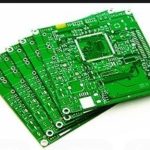
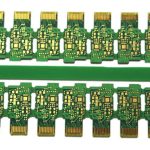
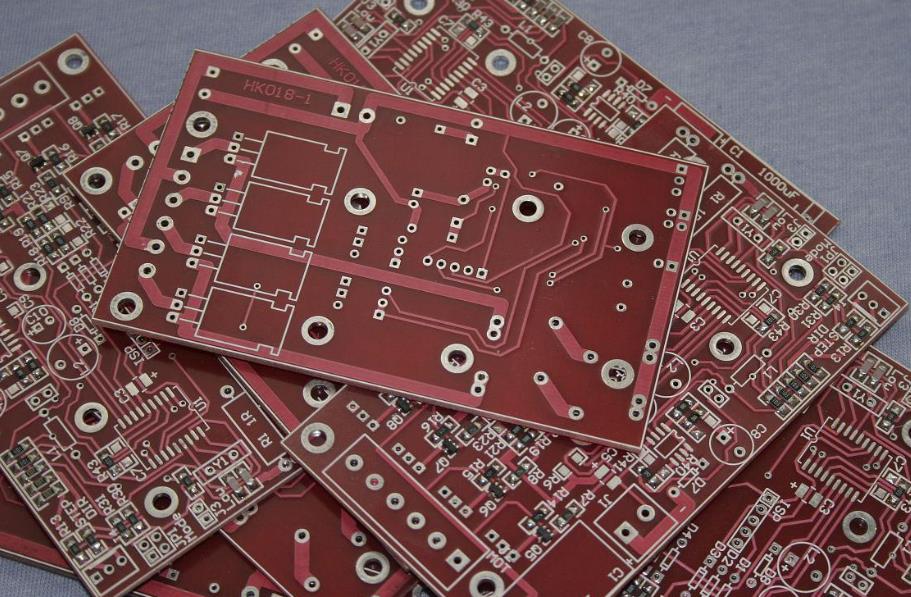
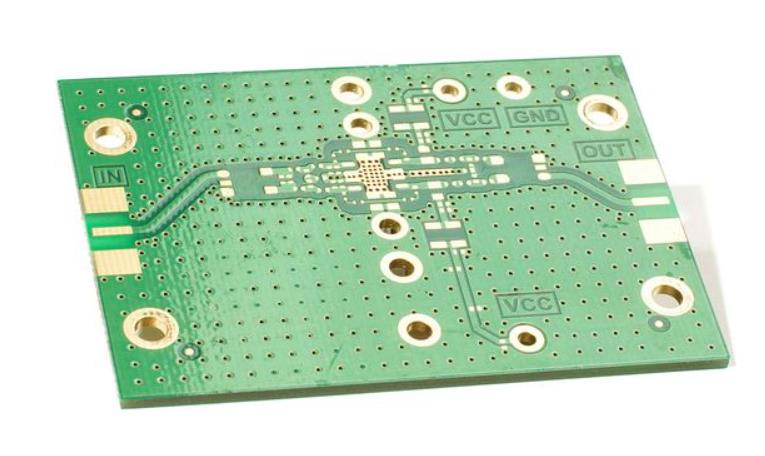
An automotive t-box pcb is the hardware core of the telematics box, the module that links a vehicle to cellular networks and the cloud for data communication, positioning, remote diagnosis, OTA updates, CAN and CAN FD traffic, 4G or 5G connectivity and vehicle status monitoring. Because a single board must combine high-speed digital signals, RF communication, power integrity, EMI and EMC control and automotive-grade environmental reliability, its manufacturing requirements and cost are higher than typical consumer electronics. In 2026 the bare-board price of an automotive T-Box multilayer PCB is roughly USD 2.50 to USD 35 or more per board, with layer count, size, material, copper weight, HDI structure, impedance control, finish, quantity and automotive reliability demands deciding the actual figure.
Why T-Box Needs a Multilayer PCB
A typical telematics box carries 4G or 5G cellular radio, GNSS or GPS positioning, Wi-Fi and Bluetooth, CAN, CAN FD and LIN communication, automotive Ethernet, an MCU or automotive-grade processor, eSIM or SIM interface, power management, Flash and RAM memory, sensor interfaces and RF front-end circuitry. Those functions mix high-speed digital networks, sensitive RF paths and noisy power domains, which a two-layer board cannot separate cleanly. A multilayer PCB dedicates layers to signals, ground, power and high-speed routing, improving signal integrity, power integrity, EMI and EMC behavior, impedance control, RF isolation, routing density and thermal management.
Typical Stack-Up for T-Box Boards
A six-layer T-Box board commonly places components and high-speed signals on L1 over a solid ground plane on L2, high-speed routing on L3, a power plane on L4, low-speed and control signals on L5, and components and remaining signals on L6. The real stack-up must adapt to the processor package, BGA layout, RF circuits, high-speed interfaces, impedance targets and mechanical size. Boards with 5G, DDR memory, automotive Ethernet and dense BGA often move to eight or ten layers or an HDI construction with laser microvias, because the extra routing space and plane isolation directly determine whether the radio and processor can coexist on one panel.
2026 Reference Prices by Layer Count
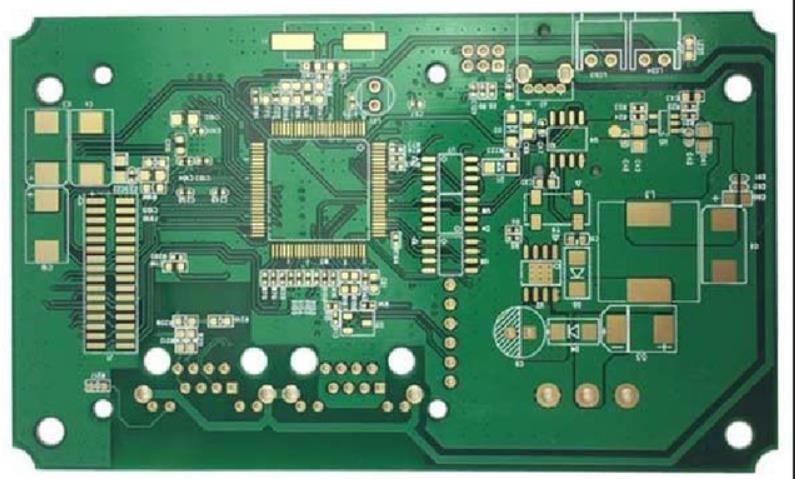
As budget-level references for the bare board, four-layer T-Box PCBs run about USD 8-20 per sample and USD 2.50-6 in volume. Six-layer boards run USD 12-28 for samples and USD 4-9 in production, eight-layer boards USD 18-40 for samples and USD 6-14 in volume, and ten-layer boards USD 25-55 for samples and USD 9-20 in volume. HDI T-Box boards with microvias and sequential lamination run USD 30-80 or more per sample and USD 10-35 or more in production. These figures assume standard sizes and automotive-grade FR-4; high-frequency materials, heavy copper, fine-pitch BGA and strict impedance control push prices above the bands.
4 Layer vs 6 Layer vs 8 Layer
Four-layer boards suit simpler telematics products such as basic CAN communication modules, GNSS positioning modules and cost-sensitive connectivity hardware. Once the module adds 5G, GNSS, a high-speed processor, DDR, Ethernet, Wi-Fi and Bluetooth plus complex power management, four layers cannot provide enough routing space or plane isolation. Six layers are the most balanced choice for many 4G and 5G T-Box projects with GNSS, CAN and CAN FD and automotive Ethernet, delivering solid signal integrity, EMI control and cost. Eight layers and above earn their price when high-performance processors, multiple high-speed interfaces, DDR memory, large BGA devices and complex RF circuits share the board.
Material Selection and Reliability
Automotive electronics demand materials that survive wide temperature swings, vibration and long service life. High-Tg FR-4 is the cost-effective default for ordinary digital circuitry, while 5G, GNSS and high-frequency RF sections may need low-loss or high-frequency laminates to protect signal quality. Copper weight should follow real current needs instead of using heavy copper everywhere, and the finish must support the soldering and environmental requirements of automotive-grade assembly. Material choice interacts with the stack-up and impedance plan, so it should be confirmed with the manufacturer during engineering review rather than changed late.
HDI Cost Impact
HDI adds laser drilling, microvias and sequential lamination steps, so it costs more than conventional multilayer construction. Depending on the structure, HDI can increase PCB manufacturing cost by roughly 30 to 100 percent or more compared with standard boards. Use HDI only when BGA density, routing space or board size genuinely require microvias; many T-Box designs fit conventional through-hole multilayer construction with careful layer assignment. When fine-pitch BGAs and routing bottlenecks do appear, a well-planned HDI structure is usually cheaper than forcing the same design onto a larger, more expensive standard board.
How to Control T-Box PCB Cost
Cost control starts at the layer decision: if six layers satisfy signal integrity, EMI and routing needs, avoid adding eight or ten layers for margin alone. Optimize board size and panelization during design to improve material utilization, skip unnecessary HDI, and use high-frequency material only in RF regions while standard material serves ordinary digital sections. Size the copper to real current, define impedance requirements early so the factory can design the stack once, and run a DFM review before production to catch tight tolerances, unusual hole sizes and low panel yield. For quantity buying, consolidate orders and share forecasts so fixed engineering and setup cost spread across more boards.
Choosing a T-Box PCB Manufacturer
Supplier selection for automotive T-Box boards should go beyond the lowest quote. Look for multilayer manufacturing capability, automotive electronics experience, high-Tg material handling, HDI and microvia production, impedance control, fine-pitch BGA capability, multiple finish options, electrical test, DFM engineering support and a solid quality system. A partner that also provides PCB manufacturing with SMT assembly and PCBA testing can validate the RF and high-speed behavior of the assembled module, which is where telematics failures usually surface. Complete data, Gerber files, stack-up, size, layers, material, thickness, copper, finish, impedance, minimum feature and hole sizes, quantity and delivery target, produces an accurate quote quickly.
Budgeting for a T-Box Program
For a realistic program estimate, multiply the volume price band by the planned annual quantity and add engineering fees, electrical test, special reliability testing, tooling and delivery. A six-layer T-Box board at roughly USD 4-9 in volume gives a very different picture at fifty thousand units per year than at five hundred. Prototype batches are useful for stack-up and RF validation, but the production quote should be negotiated with the final panel layout and test scope. Automotive programs also carry documentation and traceability requirements that add small per-order costs, so ask the supplier to itemize them instead of hiding them in the unit price.
T-Box PCB FAQ
Q1: How much does an automotive T-Box multilayer PCB cost in 2026? Bare boards run about USD 2.50-35 or more depending on layers, material, size, HDI, copper, finish and quantity.
Q2: How much is a six-layer T-Box PCB? Samples typically run USD 12-28 per board, and volume production around USD 4-9 per board.
Q3: Why do T-Box modules use multilayer PCBs? They combine high-speed digital, RF and power circuits that need clean ground, power and signal layers for integrity and EMC.
Q4: Is six layers enough for a T-Box? For many 4G and 5G systems with GNSS, CAN and Ethernet it balances density, integrity and cost; dense 5G and processor designs may need eight layers or HDI.
Q5: Does HDI raise T-Box PCB cost? Yes, typically 30-100 percent or more depending on the structure, because of laser drilling, microvias and sequential lamination.
Conclusion
An automotive t-box pcb budget depends on layer count, material, size, copper, HDI, impedance and quantity, with six-layer boards offering the best balance for many connected vehicle projects and eight-layer or HDI designs reserved for dense 5G, DDR and high-end processor modules. Define the electrical requirements first, then confirm stack-up, material and DFM with the manufacturer, and volume prices will track a realistic plan instead of a surprise.