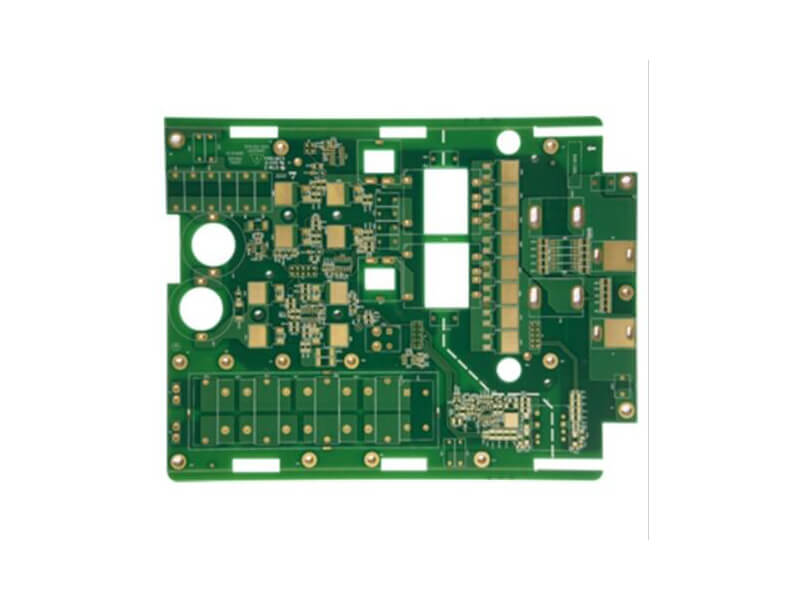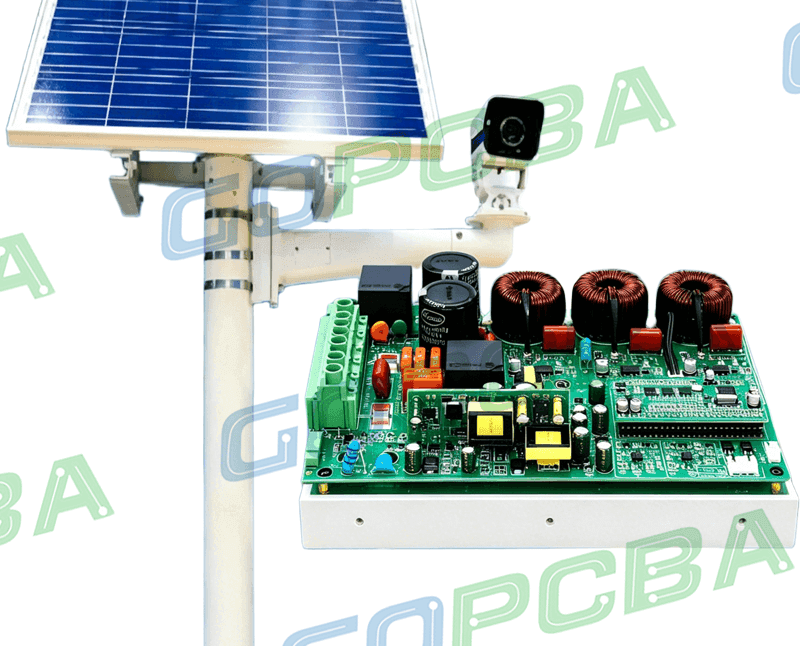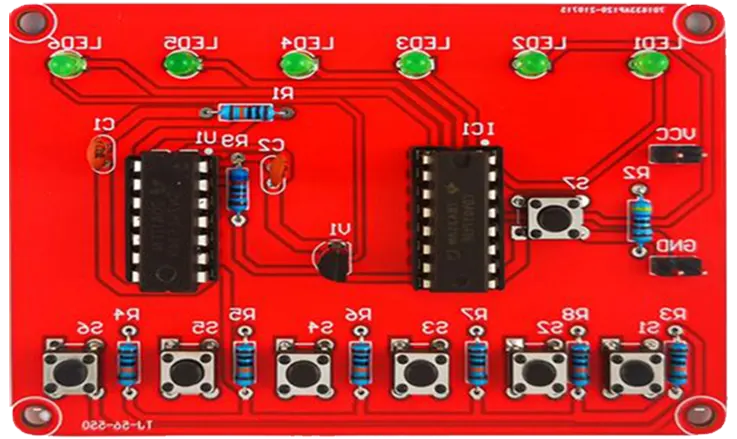
Halogen-Free PCB: A Complete Technical Guide Halogen-free is a material specification, not a performance claim, and treating it as a marketing label rather than an engineering requirement is how designs end up paying more for a laminate that solves a problem they do not have. The requirement exists because certain…
PCB Feeder Setup Errors: When the Wrong Part Arrives Electronics manufacturing has become a discipline of small details. Solder paste volumes, placement accuracy, temperature profiles and inspection limits all add up to the final result. This guide looks at PCB feeder setup errors from the perspective of a PCBA factory…
PCB Reel Change on the Line: Keeping the Line Fed Modern electronics depend on boards that are assembled correctly the first time. Every product – a phone, a charger, a medical instrument or an industrial controller – relies on thousands of solder joints that must conduct current for years. This…
PCB Traceability By Serial Number: Following One Board Buyers and engineers often focus on the finished product and forget the production line behind it. In practice, most field failures can be traced back to process decisions made during assembly. Understanding PCB traceability by serial number gives you a practical advantage…
PCB QR Code Reading on the Line: A Code That Reads Every Time Buyers and engineers often focus on the finished product and forget the production line behind it. In practice, most field failures can be traced back to process decisions made during assembly. Understanding PCB QR code reading on…
PCB AOI False Calls: Alarms That Are Not Faults Buyers and engineers often focus on the finished product and forget the production line behind it. In practice, most field failures can be traced back to process decisions made during assembly. Understanding PCB AOI false calls gives you a practical advantage…
Laboratory Equipment PCBA: Noise Floor and Stability A laboratory instrument is judged by what it can measure, and that is set by the noise floor of its electronics rather than by the resolution of its converter. A sixteen-bit converter on a board with a noisy supply gives worse results than…
PCB Component Orientation Check: Which Way Round It Sits Buyers and engineers often focus on the finished product and forget the production line behind it. In practice, most field failures can be traced back to process decisions made during assembly. Understanding PCB component orientation check gives you a practical advantage…
Smart Charger PCB: Design for Battery Charging Circuits A charger board looks simple from the outside and is anything but. It has to convert an input that may range from a weak USB port to a car supply, deliver a controlled current into a battery whose voltage and temperature change…
Hyperscale Data Centre PCB: Design for High Density Systems A data centre PCB is designed against a set of constraints that ordinary server boards do not face at the same intensity. The board has to carry very high speed serial links across a long backplane, deliver hundreds of amps at…