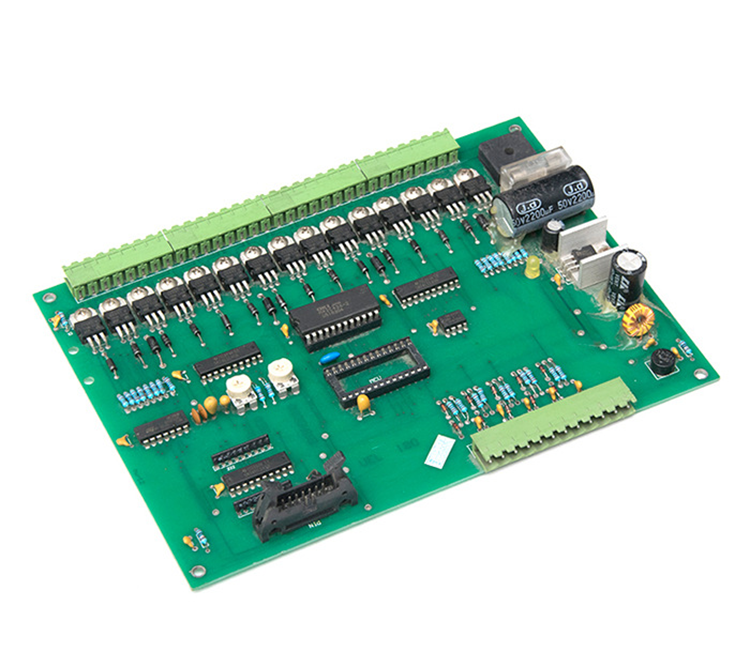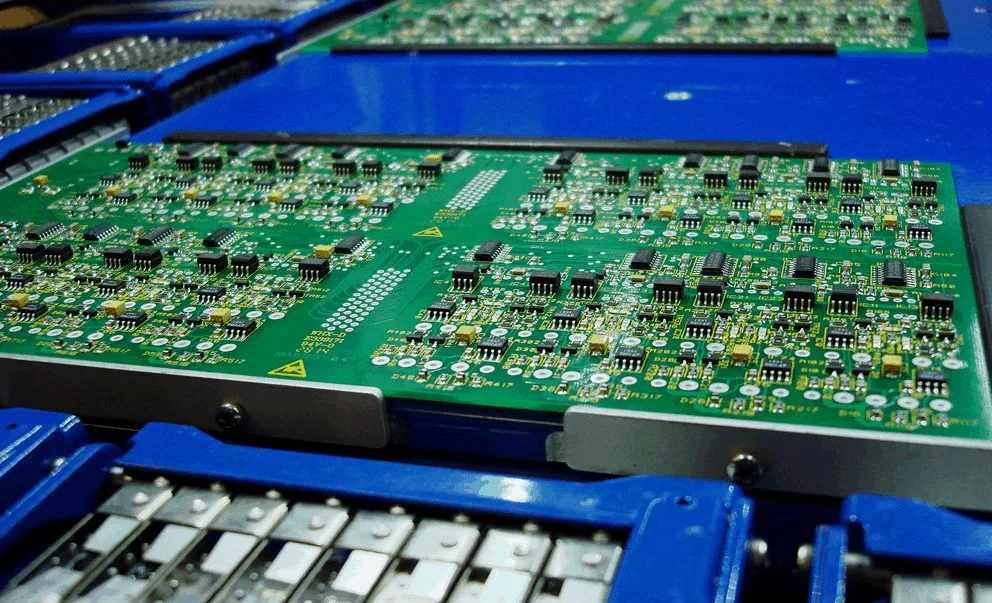
PCB Pin in Paste Process: Paste Where the Pin Goes Buyers and engineers often focus on the finished product and forget the production line behind it. In practice, most field failures can be traced back to process decisions made during assembly. Understanding PCB pin in paste process gives you a…
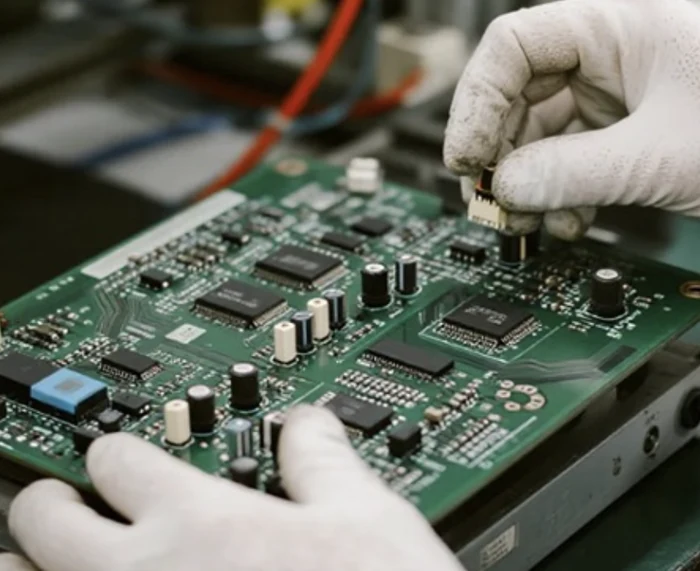
FR4 Stiffeners for Flexible Circuits: Where and Why A stiffener is the part of a flexible circuit design that turns a floppy piece of polyimide into something a connector can sit on. The flex itself is too thin and too compliant to hold a plug, a switch or a mounting…
PCB Stiffeners: Types, Materials, and Design Rules A flexible circuit is designed to bend, and there are places where that is exactly what you do not want. Around a connector, under a component pad, or at the point where a board is inserted into a housing, the same flexibility that…
PCB Press Fit Connector Installation: Pushing Pins Into Plated Holes Modern electronics depend on boards that are assembled correctly the first time. Every product – a phone, a charger, a medical instrument or an industrial controller – relies on thousands of solder joints that must conduct current for years. This…
General-Purpose PCB: Types, Applications and Design Trade-offs Most electronic products are built on boards that were never designed for one specific product. They use standard laminates, common processes and conventional layer counts, and they are chosen because they are cheap, available and adequate. That category, the general-purpose PCB, covers an…
PCB Manufacturing Tolerances: What the Numbers Actually Mean Every number on a fabrication drawing is a tolerance, whether it is written as one or not. Copper thickness varies, traces etch narrower at the top than at the base, layers shift relative to each other during lamination, and holes land slightly…
Choosing a High-Performance Laminate: Polyimide, Low-Loss and Thermal Grades Materials chosen for harsh environments are not simply better versions of ordinary laminate. They are different chemistries, each solving one problem well and accepting a penalty elsewhere. A high-performance laminate picked for thermal conductivity is not the same material that solves…
PCB Manufacturing Processes: A Guide to the Main Types A PCB manufacturing process is a sequence of chemical, mechanical and thermal operations that turns a copper-clad laminate into a board with controlled conductors. There are variations for flexible materials, heavy copper, high layer counts and radio frequency substrates, but the…
PCB Selective Solder Versus Wave: Choosing the Nozzle or the Wave Modern electronics depend on boards that are assembled correctly the first time. Every product – a phone, a charger, a medical instrument or an industrial controller – relies on thousands of solder joints that must conduct current for years.…
PCB Terminology: A Working Glossary for Engineers and Buyers PCB terminology is a shared language between two groups that rarely sit in the same room: the engineers who define what a board must do and the buyers and suppliers who decide whether it can be made. When a term is…