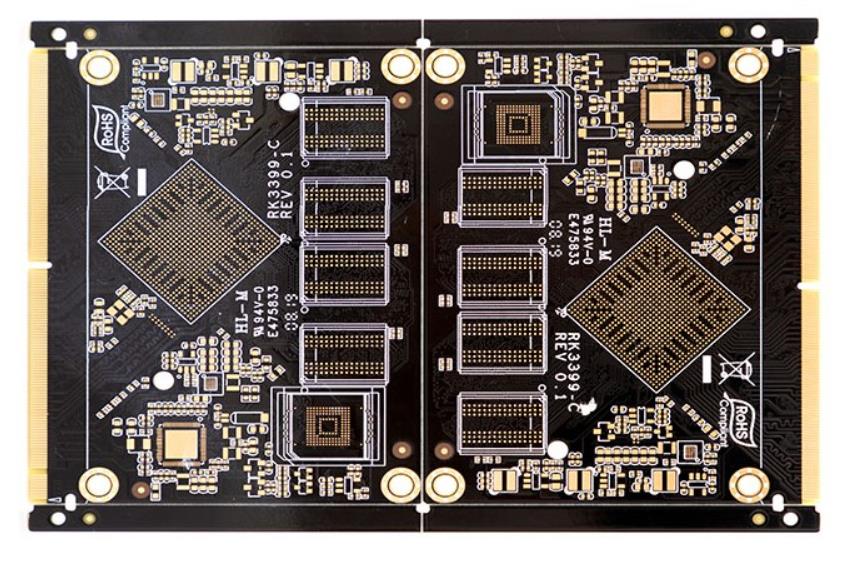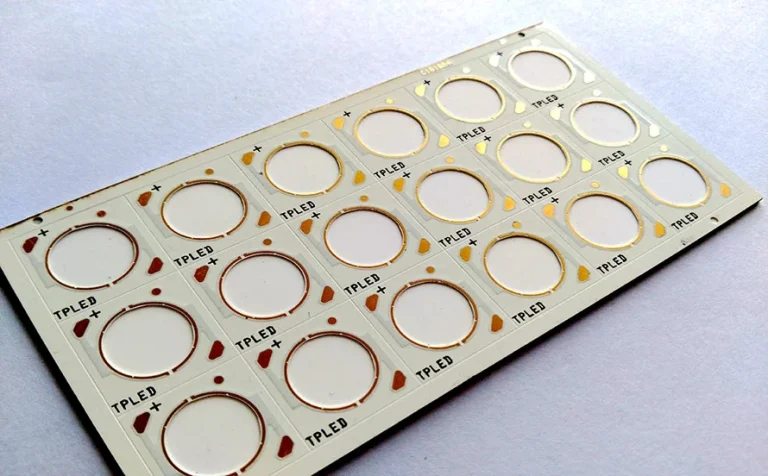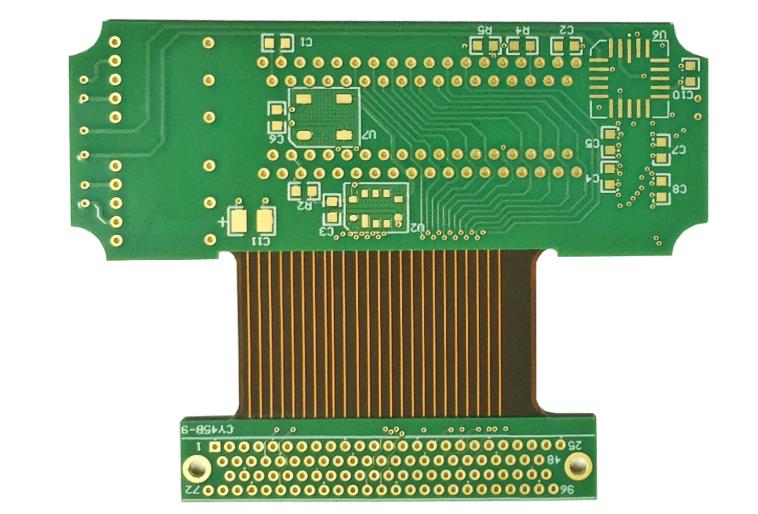
Solder Mask Color Selection: Green, Black, and Inspection Contrast Solder mask does an electrical job: it keeps solder away from conductors that should not be wetted, prevents bridging between closely spaced features, and protects the copper surface. Its color, by contrast, is a cosmetic choice with real consequences for inspection,…

PCB Moisture Barrier Bag Baking: Before the Bag Is Sealed Buyers and engineers often focus on the finished product and forget the production line behind it. In practice, most field failures can be traced back to process decisions made during assembly. Understanding PCB moisture barrier bag baking gives you a…
Reducing Feeder Loss During SMT Placement Feeder loss is the share of components that leave the reel without ending up on a board. It is a quiet cost: it appears in the stock room as a shortage, in the schedule as an unplanned reel change, and on the finished board…
Documents Needed Before SMT Contract Manufacturing Every delay at the start of a build traces back to a document that was missing, ambiguous or out of date. SMT contract manufacturing runs on files, and the quality of those files decides how quickly the line can be set up, how many…
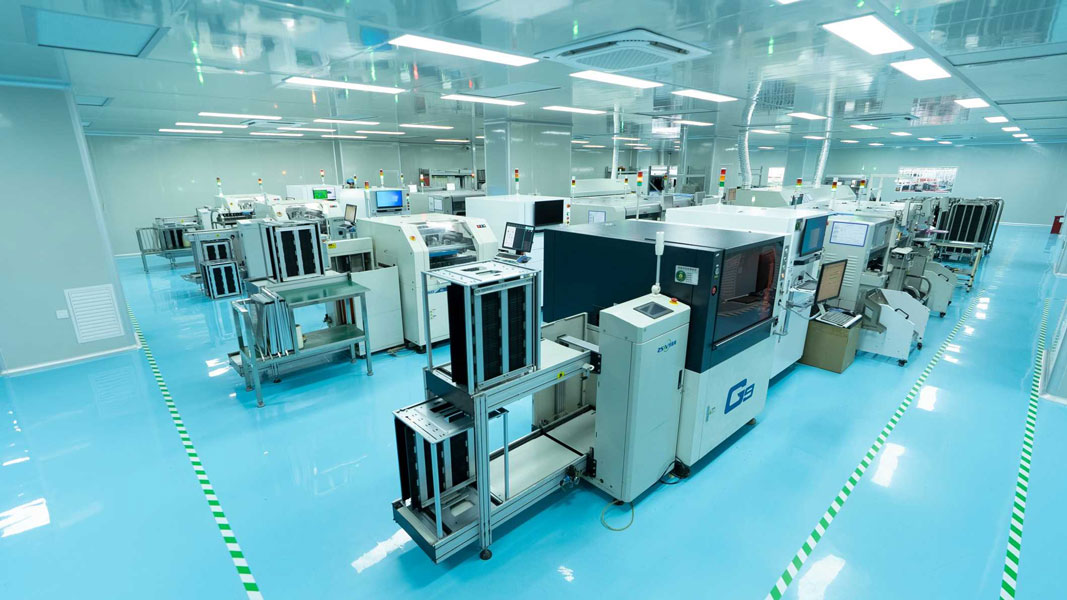
SMD and Through-Hole Components in SMT Batch Assembly A surface mount line can place thousands of parts per hour, yet most production boards still carry a handful of through-hole components. The mix is not a legacy accident. It reflects a set of requirements that surface mount technology serves poorly, and…
PCB Vacuum Packing for Shipment: Removing the Air Electronics manufacturing has become a discipline of small details. Solder paste volumes, placement accuracy, temperature profiles and inspection limits all add up to the final result. This guide looks at PCB vacuum packing for shipment from the perspective of a PCBA factory…
EMC Design on a Budget: Where Cost and Compliance Meet Compliance and cost pull in opposite directions on almost every board. Electromagnetic compatibility tends to push toward more layers, more filtering and more shielding, while the commercial target pushes toward fewer layers, fewer parts and a smaller board. The two…
PCB Short Circuit Causes in Fabrication and How to Prevent Them A short circuit that passes a low-voltage electrical test and fails after assembly is one of the more frustrating defects a board can carry, and also one of the better documented, because the mechanism is understood. In most cases…
Skew and Jitter Sources in High-Speed PCB Design Skew and jitter are often discussed as if they were the same thing and as if they had a single cause. In practice the total timing error on an interconnect accumulates from several independent sources, and only one of them is the…
PCB Sampling Plan for Outgoing Inspection: How Many to Check Modern electronics depend on boards that are assembled correctly the first time. Every product – a phone, a charger, a medical instrument or an industrial controller – relies on thousands of solder joints that must conduct current for years. This…