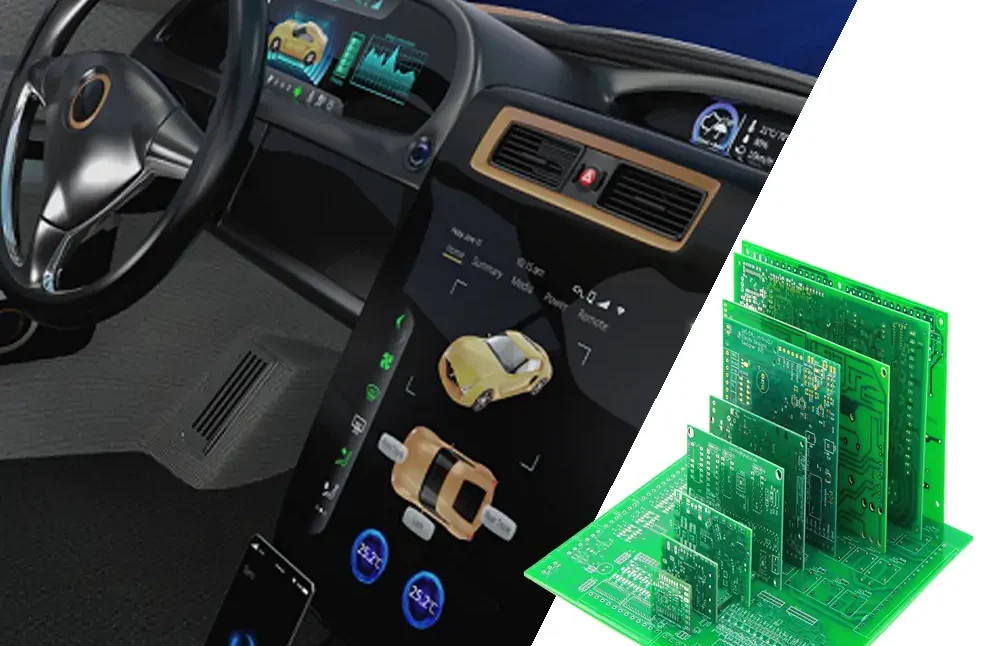
PCB Component Polarity Verification: Checking the Part Faces Right Modern electronics depend on boards that are assembled correctly the first time. Every product – a phone, a charger, a medical instrument or an industrial controller – relies on thousands of solder joints that must conduct current for years. This article…
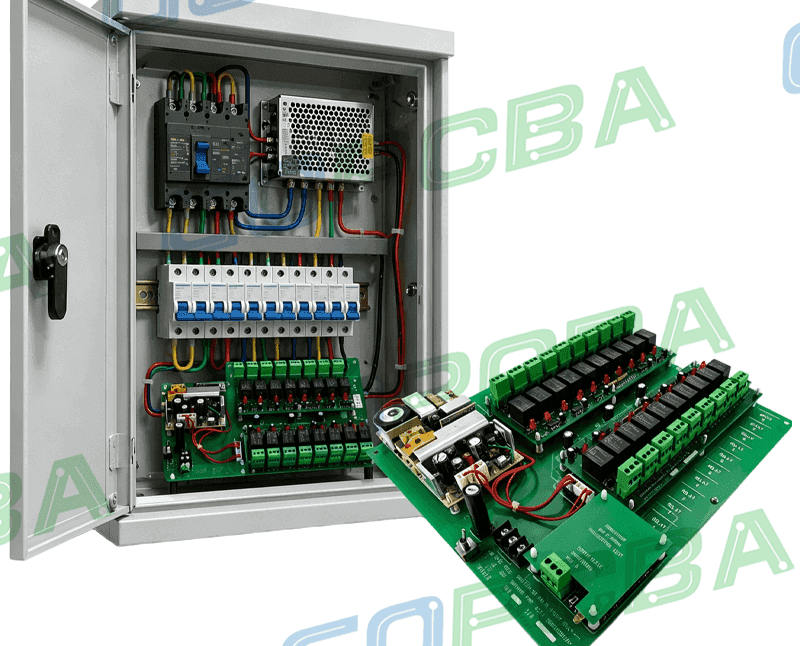
PCB Bad Mark Reading Vision: Telling Good Panels from Bad Buyers and engineers often focus on the finished product and forget the production line behind it. In practice, most field failures can be traced back to process decisions made during assembly. Understanding PCB bad mark reading vision gives you a…
How to Choose an SMT Assembly Factory: Equipment, Inspection and Support By the time a hardware project reaches the SMT stage, the design is finished and the components are on order, and the yield of every unit after that point depends on the factory. Cold joints, bridges, shifted parts and…
PCB Fiducial Mark Placement: Points the Machine Can Find Modern electronics depend on boards that are assembled correctly the first time. Every product – a phone, a charger, a medical instrument or an industrial controller – relies on thousands of solder joints that must conduct current for years. This article…
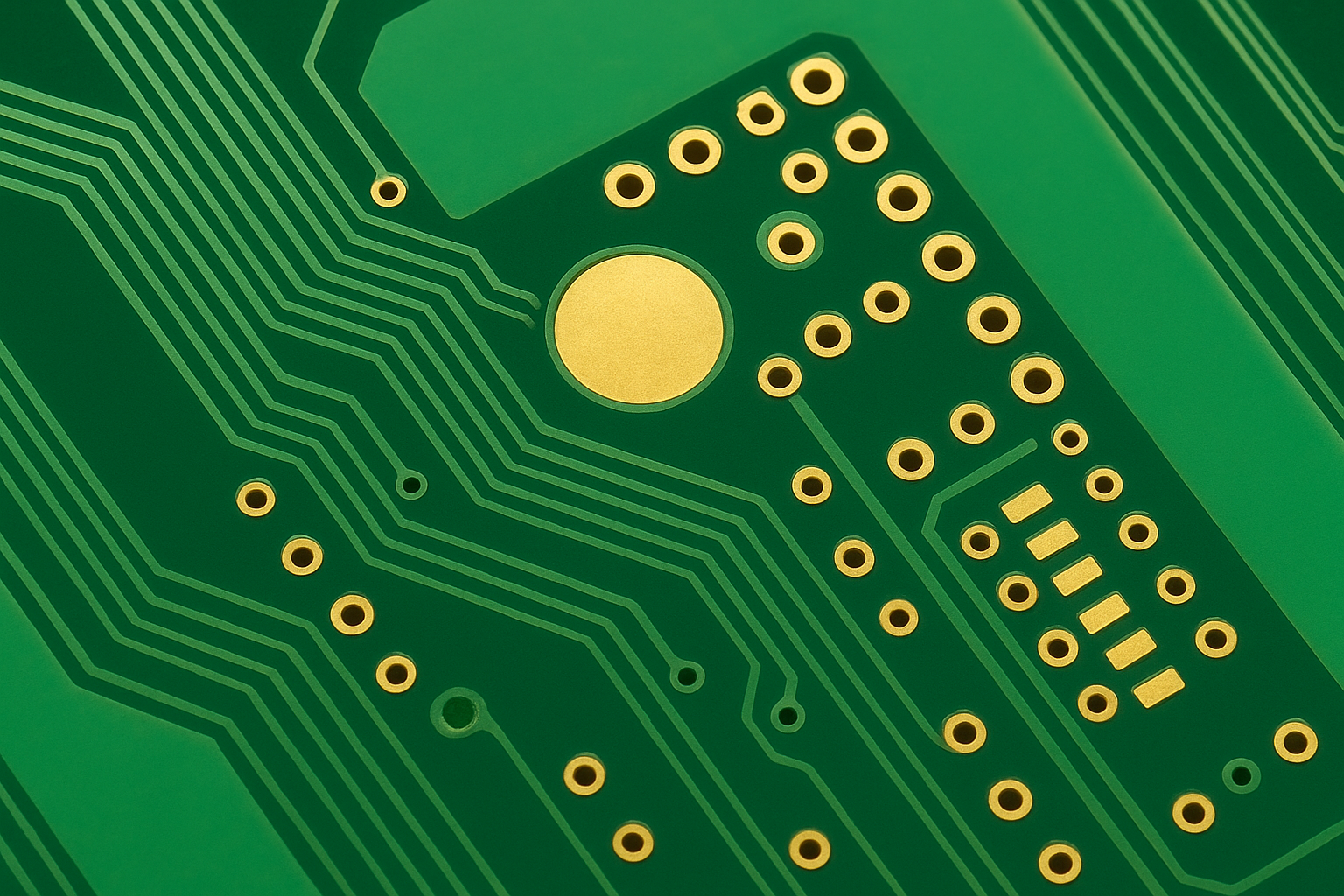
Choosing an Industrial Control PCB Design Partner: What Really Matters Industrial control hardware punishes optimism. A board that works on the bench has to keep working for a decade inside a cabinet that is hot, dirty and electrically noisy, and the cost of a failure is not the price of…
PCB Panel to Panel Variation: When Each Board Prints Differently Modern electronics depend on boards that are assembled correctly the first time. Every product – a phone, a charger, a medical instrument or an industrial controller – relies on thousands of solder joints that must conduct current for years. This…
PCB Board Support for Thin Boards: Holding a Thin Board Flat Electronics manufacturing has become a discipline of small details. Solder paste volumes, placement accuracy, temperature profiles and inspection limits all add up to the final result. This guide looks at PCB board support for thin boards from the perspective…
PCB Misprint Cleaning Method: Washing a Bad Print Off Modern electronics depend on boards that are assembled correctly the first time. Every product – a phone, a charger, a medical instrument or an industrial controller – relies on thousands of solder joints that must conduct current for years. This article…
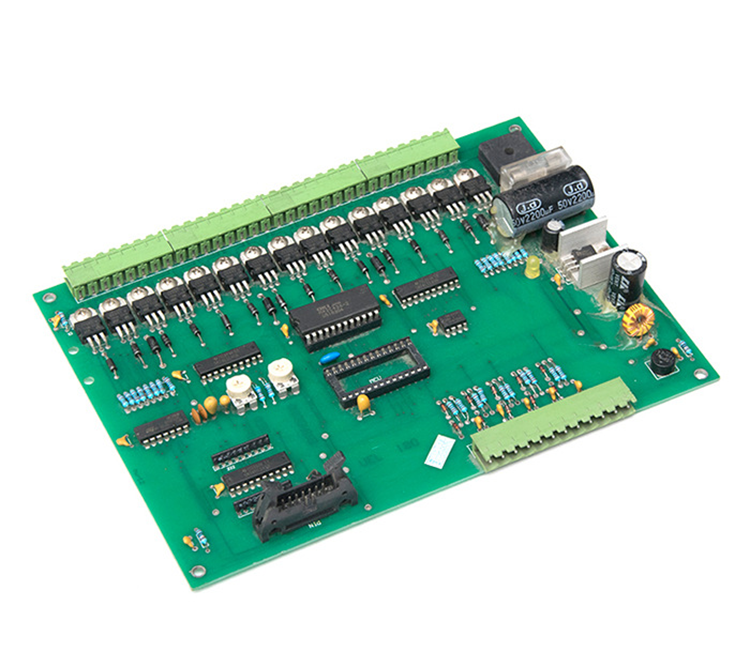
PCB Stencil Tension Measurement: How Tight the Mesh Should Be Modern electronics depend on boards that are assembled correctly the first time. Every product – a phone, a charger, a medical instrument or an industrial controller – relies on thousands of solder joints that must conduct current for years. This…
Why Material Choice Outweighs Layer Count A board with more than twenty layers is often described as a stacking problem, but the more common cause of failure is material selection. Dielectric constant, coefficient of thermal expansion, glass transition temperature and copper foil profile interact with each other, and each of…