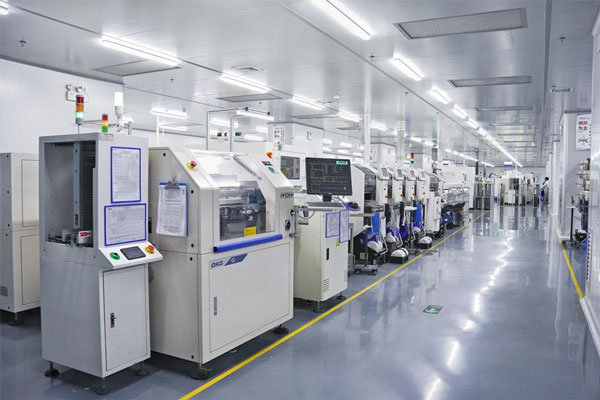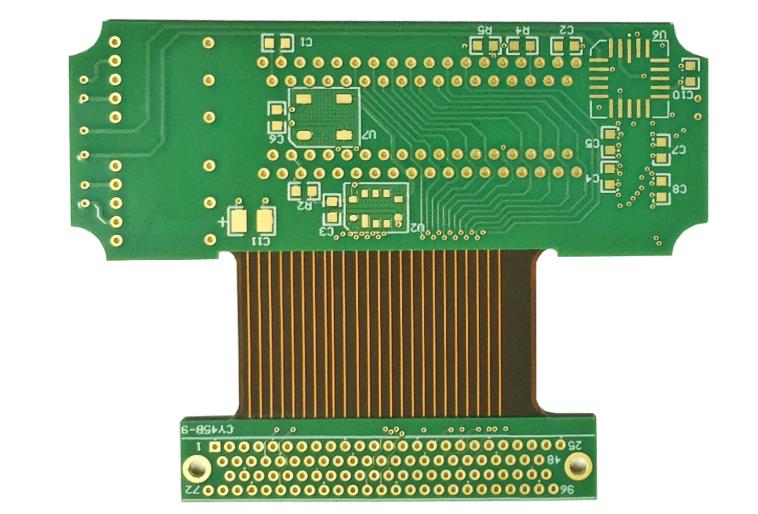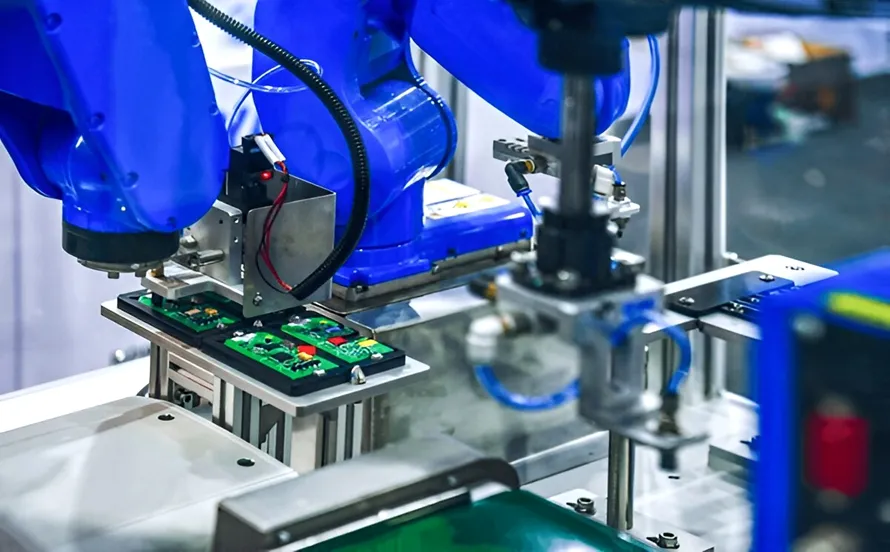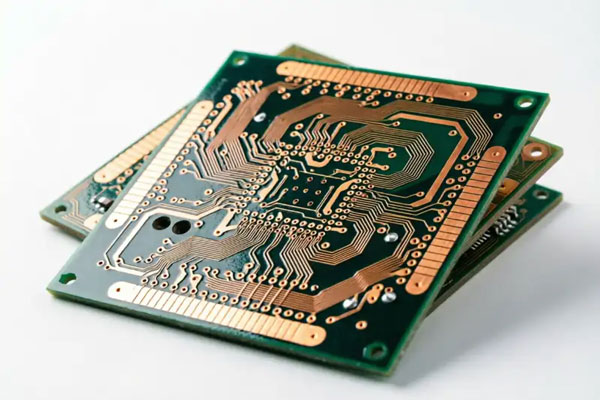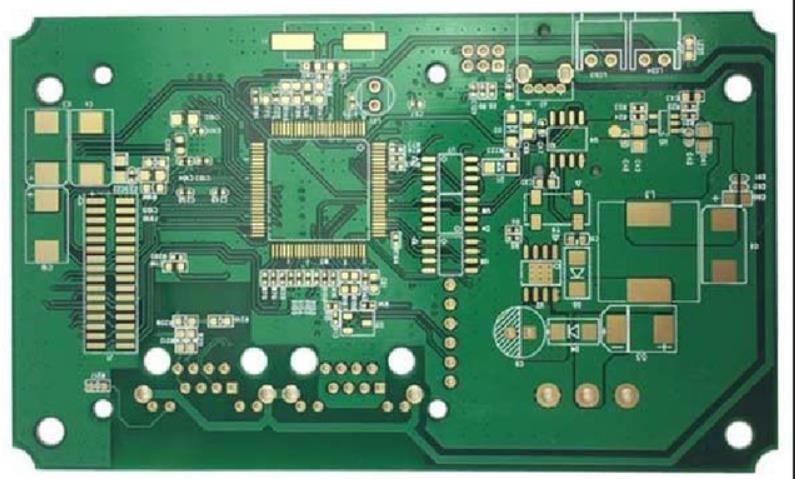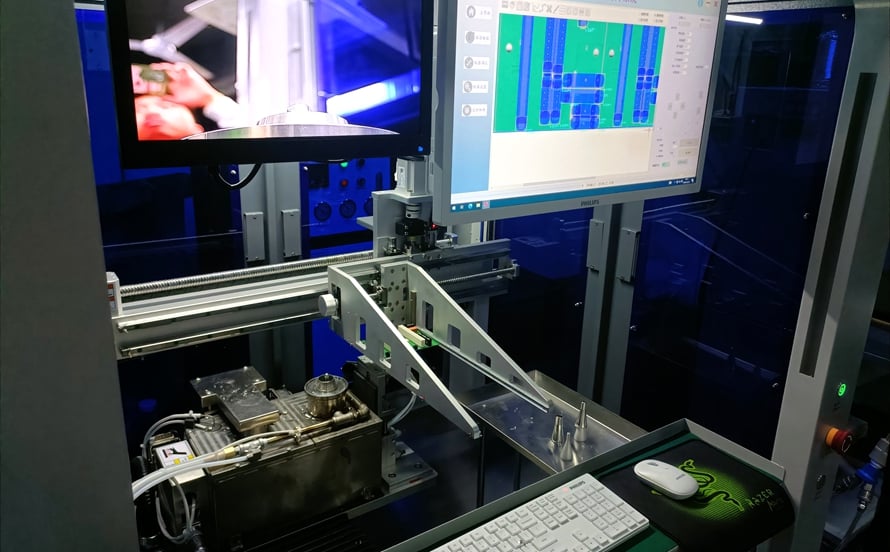
Bare Board PCB Manufacturing: Process, Lead Time and Cost What a Bare Board Is A bare board is the printed circuit board before any component is placed on it. It contains the copper conductors and pads, the laminated substrate, the vias and holes, and the surface finish, and nothing else.…
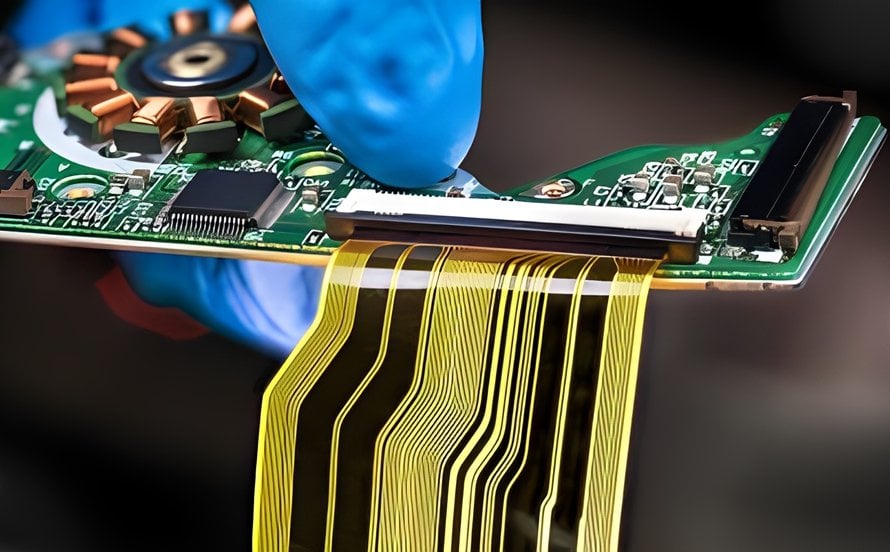
Data Acquisition PCB: Low Noise Design for Industrial DAQ The Job the Board Has to Do A data acquisition system converts physical quantities into numbers that a control system can act on. Temperature, pressure, current, vibration, strain, all of them arrive as small analogue signals that have to be conditioned,…
High Power PCB: Design, Copper Weight and Prototyping What Counts as a High Power Board The working definition is a board designed to carry ten amps or more continuously while maintaining stable thermal and electrical behaviour. That number is a threshold rather than a rule, because the same ten amps…
Low Cost PCB Price Guide: What Drives the Number Low Cost Does Not Mean Lowest Price The phrase gets used as though it describes a price. It does not. A genuinely low cost board is one that delivers the required reliability at the lowest total cost, and those two objectives…
Satellite Communication PCB Manufacturing Guide Why Satcom Boards Are a Different Category A satellite communication board has to do three things at once, and each of them constrains the others. It has to carry RF and microwave signals with controlled impedance and low loss. It has to survive the thermal…
Automotive PCB for EV and ADAS: Requirements and Design What Separates an Automotive Board A board that goes into a vehicle is specified differently from one that goes into a consumer product, and the difference has nothing to do with how complicated the circuit is. It is the operating environment…
High Frequency PCB: From Prototype to Production The Problem Is Reproducibility, Not Design Most high frequency designs work in the prototype. The engineer measures the board, tunes the matching network, and the performance lands where the simulation said it would. The difficulty appears six months later, when the same design…
20 Layer PCB: Stackup, Design Rules and When It Pays What Twenty Layers Is For A 20 layer board is not simply a denser version of a 12 layer board. It exists because three problems appear together in high end systems and each of them consumes copper layers. High speed…
Embedded PCB vs Traditional PCB: How to Choose Two Different Answers to the Same Question A conventional board puts everything on the outside. The laminate carries the copper pattern, and the components, from a 0402 resistor to a large IC, are soldered to the surface. It has been the industry…
IPC Class 3 PCB: Requirements and Manufacturing Reality What Class 3 Actually Commits You To IPC classification runs from 1 to 3 and describes the consequence of failure rather than the difficulty of the build. Class 1 covers general electronics where the main requirement is that the product works. Class…