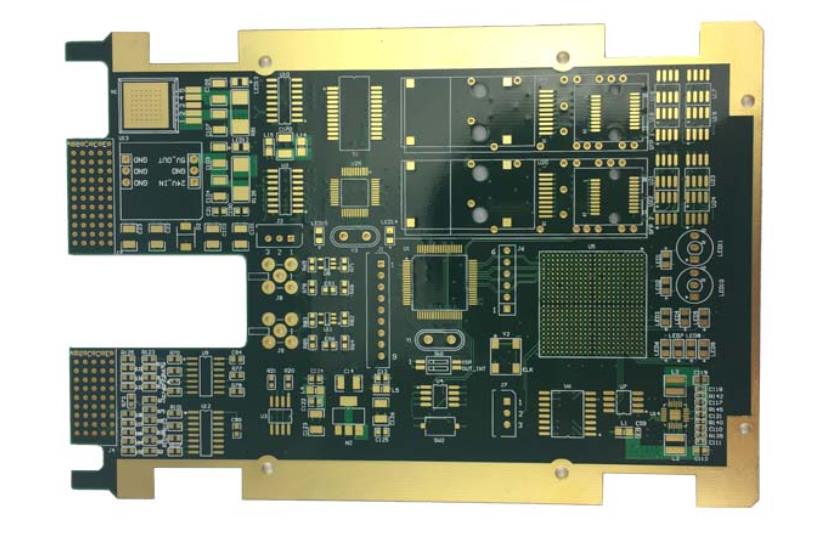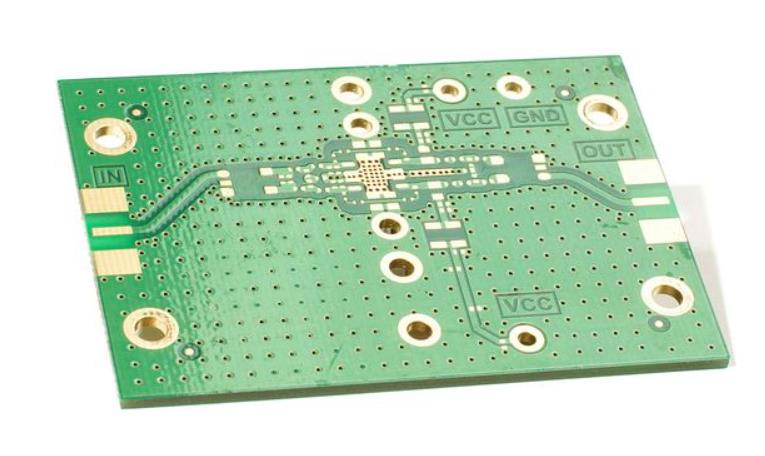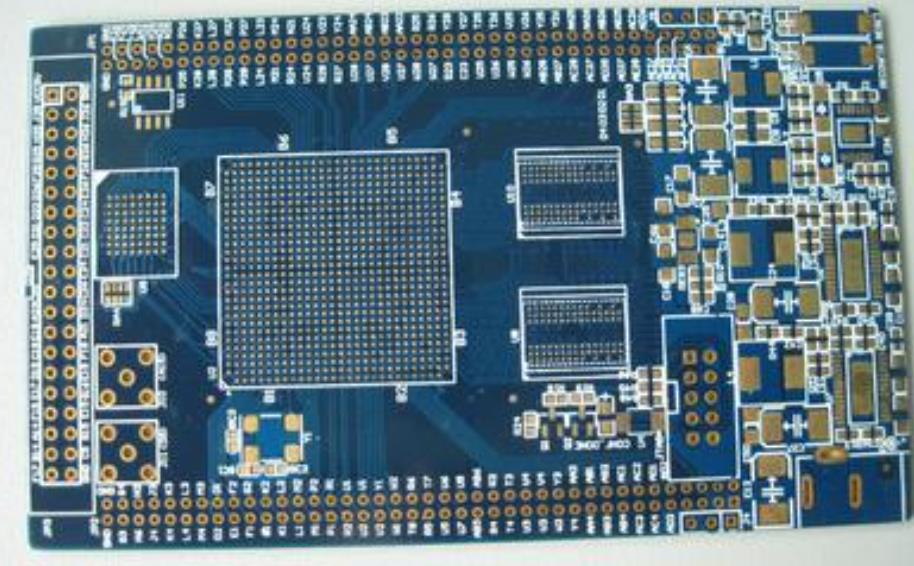
Via Plugging and Filling Methods Why Vias Are Plugged A via is a hole in the board, and an open hole causes problems after soldering. Solder paste can wick down the barrel and out the other side, leaving a starved joint on the surface and a blob of solder on…
Solder Fillet Criteria for Inspection Why Fillet Criteria Exist The fillet is the visible part of a solder joint, and it is the only part an inspector can see. Criteria exist so that different inspectors, on different shifts, in different factories, reach the same conclusion about whether a joint is…
Solder Pot Maintenance and Dross Control Why Pot Condition Matters The solder pot is the reservoir that feeds every wave or fountain joint on the line, and its condition determines the quality of all of them. Alloy composition, temperature, and cleanliness change over time as the pot is used, and…
Solder Paste Inspection on the Line What Paste Inspection Measures Solder paste inspection examines the printed deposits before components are placed, which makes it the earliest opportunity to catch a defect on the line. The system measures the height, area, and volume of each deposit and compares them with the…
EMI Shielding on Assembled Boards Why Shielding Is Added at Assembly Electromagnetic interference is a system problem, but the first line of defence is often at the board. A shield placed over a noisy circuit keeps its emissions inside, and a shield over a sensitive circuit keeps external fields out.…
HDI Design Rules for Dense Boards What Makes a Design HDI High density interconnect is defined by the use of microvias, laser-drilled holes that are much smaller than conventional plated through holes, combined with finer traces and tighter spaces than a standard board allows. The result is more routing per…
Microsection Analysis of PCB Quality What a Microsection Shows A microsection is a cross-section of a printed circuit board that has been mounted in resin, ground and polished back to a plane, and examined under a microscope. It turns the board’s internal structure into something that can be measured: copper…
PCB Back-drill Via Stub Removal: Cutting the Stub Away Modern electronics depend on boards that are assembled correctly the first time. Every product – a phone, a charger, a medical instrument or an industrial controller – relies on thousands of solder joints that must conduct current for years. This article…
Bend Radius in Flexible Circuits Why Bend Radius Matters A flexible circuit earns its place by bending, and the radius of that bend determines how much strain the copper sees. Bend the flex too tightly and the copper, which is the least ductile of the materials in the stackup, will…
Stiffeners for Rigid-Flex Assemblies Why Stiffeners Are Used A flexible circuit bends, and that is usually the point. But there are places on the same circuit where bending is a problem: under a connector that must be plugged and unplugged, around a component that must stay flat, or at an…