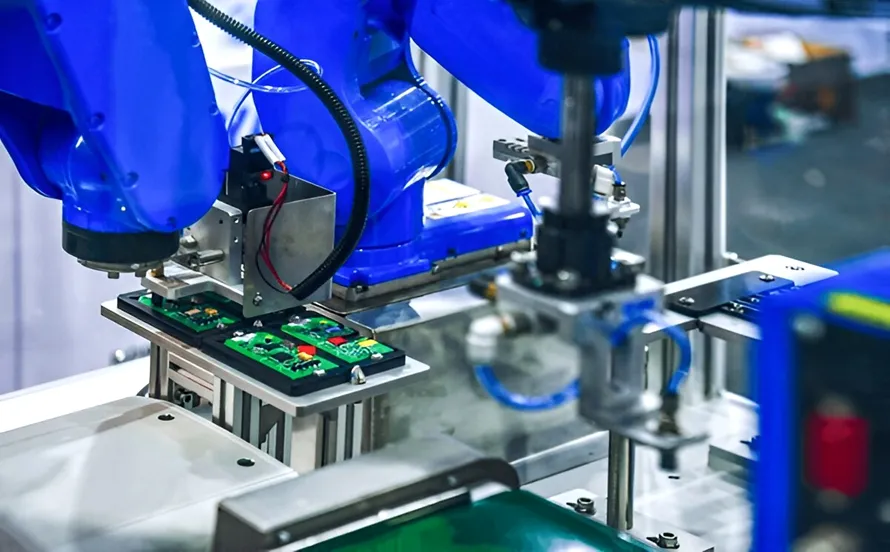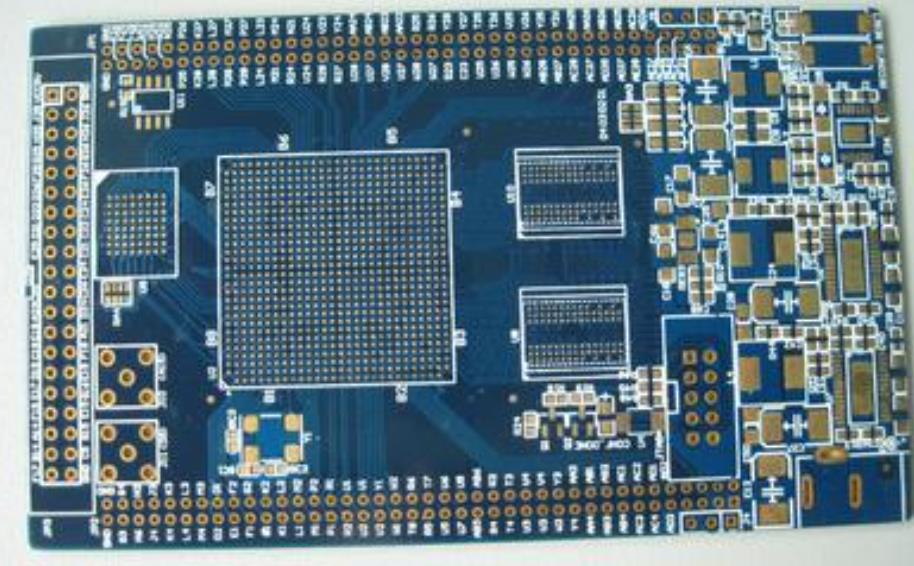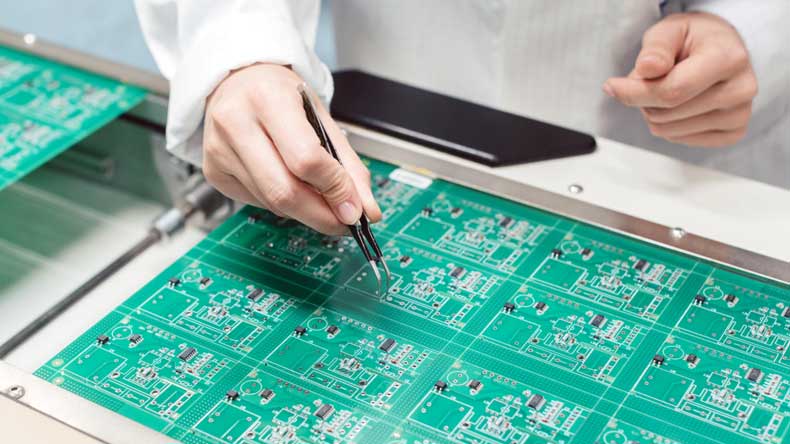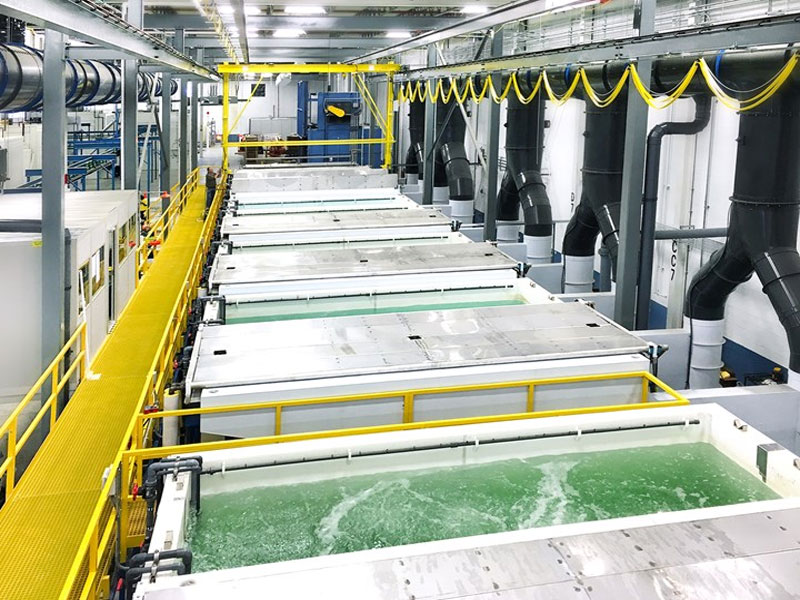
Cleanroom Requirements for Electronics Assembly What a Cleanroom Class Actually Means A cleanroom class describes how many particles of a given size are allowed in a volume of air. The ISO classification assigns a number based on the maximum permitted concentration of particles at 0.1 micrometres and larger, with lower…

PCB Copper Trace Kelvin Sensing: Four Wires Instead of Two Electronics manufacturing has become a discipline of small details. Solder paste volumes, placement accuracy, temperature profiles and inspection limits all add up to the final result. This guide looks at PCB copper trace kelvin sensing from the perspective of a…
Tray and Moisture Sensitive Component Handling Why Trays and Dry Packs Exist Surface mount components are shipped in trays, tubes, or tape and reel for one reason: the placement machine has to pick them up in a known orientation at speed. The packaging is also a storage environment. Trays and…
UV Curing of Adhesives and Coatings How UV Curing Works UV curing adhesives and coatings contain photoinitiators that absorb ultraviolet light and start a chemical reaction. Within seconds of exposure, the material cross-links from a liquid into a solid. There is no solvent to evaporate and no heat to drive…
PCB Copper Trace Shunt Resistor: Measuring Current in the Path Electronics manufacturing has become a discipline of small details. Solder paste volumes, placement accuracy, temperature profiles and inspection limits all add up to the final result. This guide looks at PCB copper trace shunt resistor from the perspective of a…
Plasma Cleaning Before Bonding and Coating What Plasma Cleaning Is Plasma cleaning exposes a surface to an ionised gas at low pressure. The gas is energised until it contains free electrons, ions, and reactive species, and those species react with the contamination on the surface, converting organic films into volatile…
Ultrasonic Cleaning of Assemblies What Ultrasonic Cleaning Actually Does Ultrasonic cleaning uses sound waves in a liquid bath to create and collapse microscopic bubbles. The collapse, called cavitation, produces local jets of liquid and pressure spikes that lift contamination off surfaces and carry it into the bath. Because the effect…
Vapour Phase Soldering for Assemblies How Vapour Phase Heating Works Vapour phase soldering heats by condensation. A fluorinated fluid is boiled in a chamber, and the saturated vapour fills the space above the liquid. When a cooler assembly is lowered into that vapour, fluid condenses on every surface at the…
Vacuum Reflow and Void Reduction Why Voids Form in Solder Joints A void is gas that could not escape before the alloy solidified. The gas comes from several places: flux volatiles boiling out of the paste, air entrained in the deposit during printing, moisture released from the laminate or the…
Nitrogen in the Reflow Process What Nitrogen Changes in Reflow Nitrogen does not solder anything. It displaces oxygen so that the surfaces being joined stay metallic instead of oxidizing while they are hot. Reflow is a race between wetting and oxidation, and at the temperatures used for lead-free alloys the…