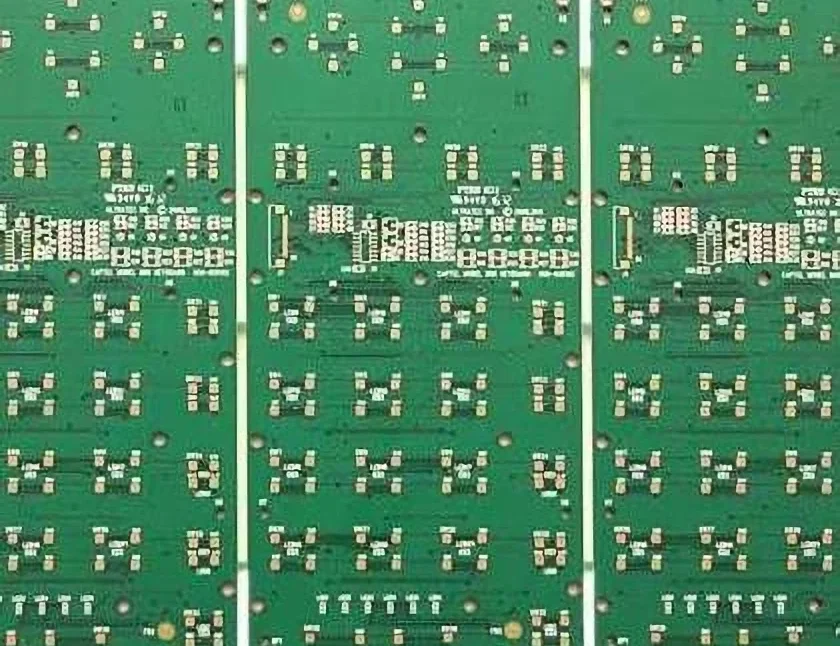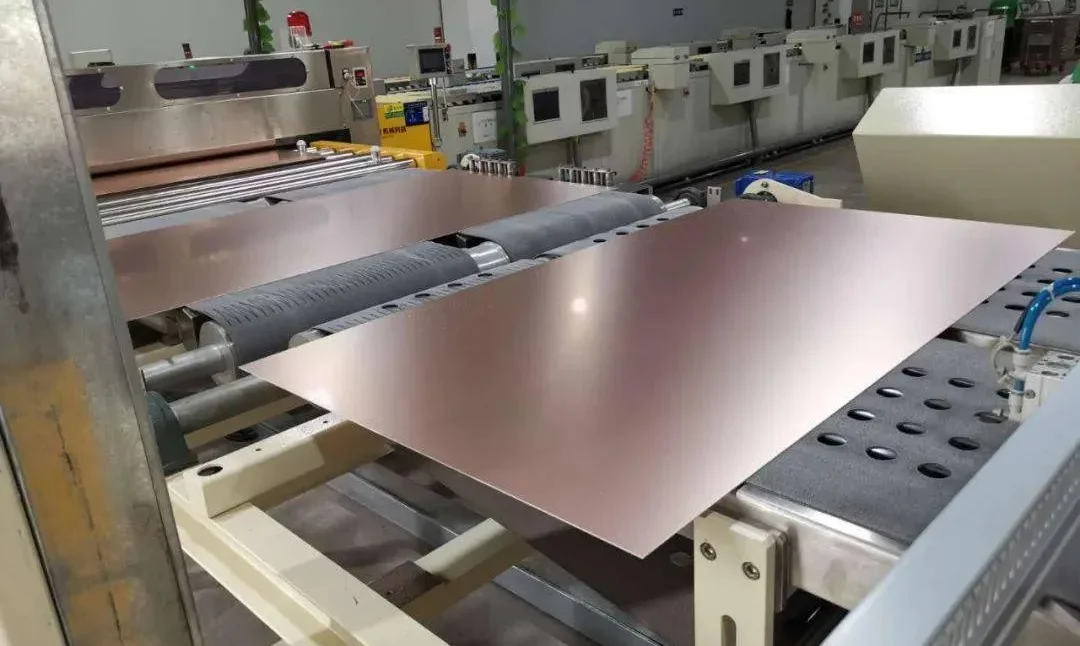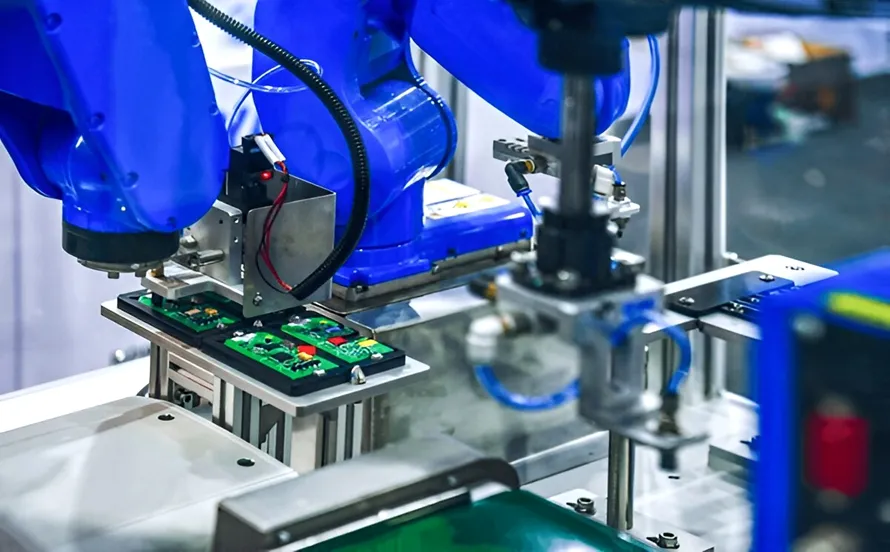
PCB Solder Mask Thickness Uniformity: An Even Coat of Mask Buyers and engineers often focus on the finished product and forget the production line behind it. In practice, most field failures can be traced back to process decisions made during assembly. Understanding PCB solder mask thickness uniformity gives you a…
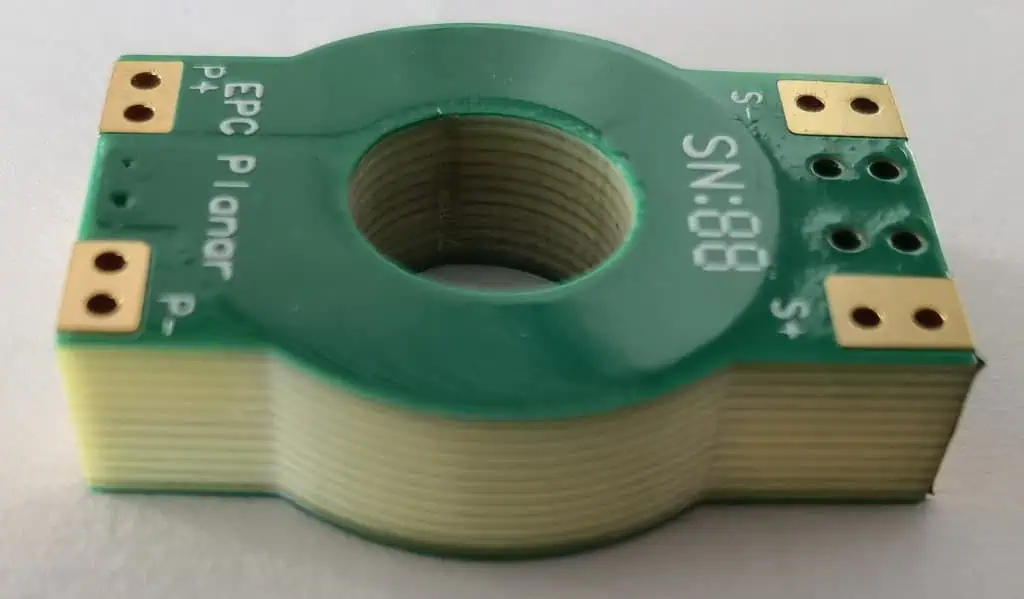
Potting and Encapsulation of Assemblies Why Pot a Board Potting and encapsulation surround the assembly with a polymer so that the electrical function is protected from the environment. The reasons are mechanical, chemical and electrical: to protect against moisture, dust, salt and chemicals; to resist vibration and shock; to prevent…
SMT Component Feeder Calibration: Setting the Feeder Right Modern electronics depend on boards that are assembled correctly the first time. Every product – a phone, a charger, a medical instrument or an industrial controller – relies on thousands of solder joints that must conduct current for years. This article explains…
Solder Paste Inspection and Deposit Volume What SPI Measures Solder paste inspection measures the paste that has just been printed, before any component is placed. A laser or camera system scans the board and reports the volume, area, height and position of every deposit, comparing each against the stencil’s intent.…
Automated Optical Inspection in SMT What AOI Does Automated optical inspection uses a camera and software to compare what is on the board with what the program expects. It checks that each component is present, that it is in the right position and orientation, that the solder joints have the…
PCB Copper Trace Electromagnetic Interference: The Noise That Escapes Modern electronics depend on boards that are assembled correctly the first time. Every product – a phone, a charger, a medical instrument or an industrial controller – relies on thousands of solder joints that must conduct current for years. This article…
Feeder Setup and Verification on SMT Lines Why Feeders Cause So Many Defects Most wrong part defects and a large share of placement defects begin at the feeder. The tape and the reel carry the components, the feeder presents them to the nozzle, and a number of things can go…
Nozzle Selection for Pick and Place The Nozzle Is the Interface The nozzle is the only part of a placement machine that touches the product, and it decides whether the component is picked reliably, held in the right orientation and placed without damage. A machine with an excellent vision system…
SMT Reflow Solder Joint Inspection Criteria: The Rules for a Good Joint Buyers and engineers often focus on the finished product and forget the production line behind it. In practice, most field failures can be traced back to process decisions made during assembly. Understanding SMT reflow solder joint inspection criteria…
Paste Print Defects and Their Causes The Print Is the Process Paste printing is the step that places the material, and every defect it produces is carried through reflow into the joint. A print defect cannot be corrected later, because the oven will melt whatever is on the pad. This…