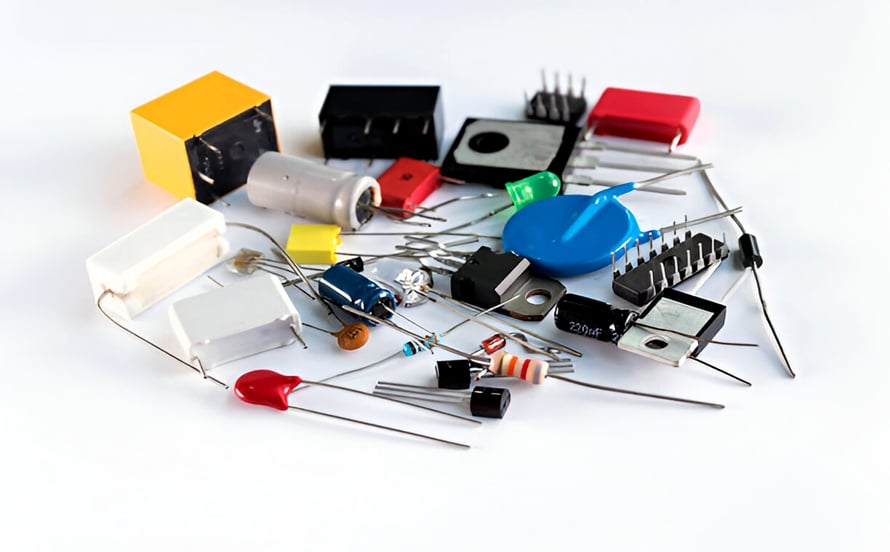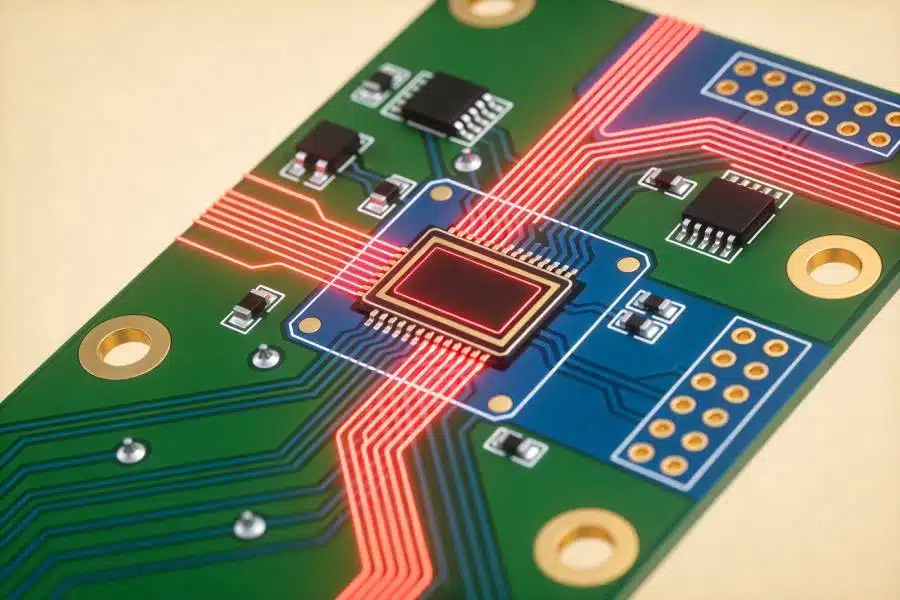
Counterfeit Components: Detection and Avoidance What Makes a Part Counterfeit A counterfeit part is one that is misrepresented: a recycled device sold as new, a lower grade sold as a higher one, a different manufacturer relabelled, or a device that was never made by the brand printed on it. The…
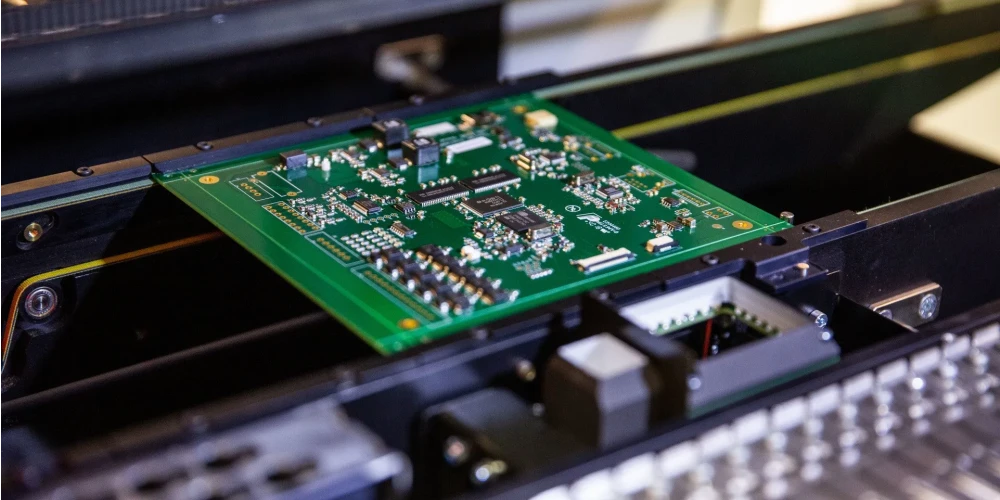
PCB Laminate Flame Retardant: Slowing the Fire Modern electronics depend on boards that are assembled correctly the first time. Every product – a phone, a charger, a medical instrument or an industrial controller – relies on thousands of solder joints that must conduct current for years. This article explains PCB…
BOM Sourcing and Part Substitution Why the BOM Decides the Project A bill of materials looks like a list, but it behaves like a schedule. Every line carries a part number, a package, a tolerance, a temperature grade and a supplier, and any one of those fields can stop a…
SMT Stencil Linearity: Keeping the Openings True Modern electronics depend on boards that are assembled correctly the first time. Every product – a phone, a charger, a medical instrument or an industrial controller – relies on thousands of solder joints that must conduct current for years. This article explains SMT…
PCB Copper Trace Adhesion Promotion: Helping the Copper Stick Electronics manufacturing has become a discipline of small details. Solder paste volumes, placement accuracy, temperature profiles and inspection limits all add up to the final result. This guide looks at PCB copper trace adhesion promotion from the perspective of a PCBA…
Masking Methods for Coating and Plating What Masking Does Masking protects parts of an assembly from a process that is applied to the whole board, and it is used for conformal coating, for plating and finishing, for potting and for any operation that must not reach a connector, a contact…
SMT Reflow Solder Joint Thermal Resistance: How the Joint Moves Heat Buyers and engineers often focus on the finished product and forget the production line behind it. In practice, most field failures can be traced back to process decisions made during assembly. Understanding SMT reflow solder joint thermal resistance gives…
Ionic Contamination Testing and Cleanliness Why Cleanliness Is Measured The failure mechanisms that cleanliness testing guards against all need an electrolyte, and the electrolyte is almost always the ionic residue left on the board by the assembly process or by the environment. If the residue is below a threshold, the…
No-Clean Flux Residue and Its Risks What No-Clean Means A no-clean flux is formulated so that its residue can be left on the assembly without causing a reliability problem, and the process is designed around that assumption. In practice the term describes a chemistry rather than a guarantee: the residue…
PCB Surface Finish Porosity: Little Holes in the Finish Buyers and engineers often focus on the finished product and forget the production line behind it. In practice, most field failures can be traced back to process decisions made during assembly. Understanding PCB surface finish porosity gives you a practical advantage…