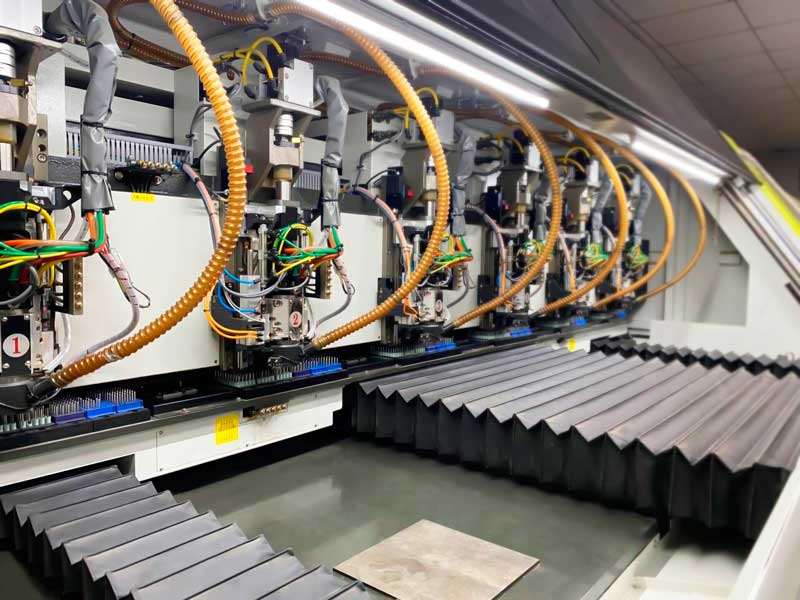
PCB Hole Copper: Plated Through Hole Process Guide Why PCB Hole Copper Is a Core Manufacturing Skill In modern electronics, PCB manufacturing is what keeps a circuit running reliably, and one of the most important yet often overlooked steps is hole copper plating. Whether the board is a multilayer design,…
Half Hole PCB: Castellated Holes Design and Manufacturing Guide Why Half Hole PCB Technology Is Growing Electronics keep moving toward smaller size, modular architecture and higher integration, and PCB design must deliver both performance and easy connection. Half hole PCB technology, built on castellated holes, has become one of the…
Quick PCB Prototype Shipping: Fast Turnaround Electronics manufacturing has become a discipline of small details. Solder paste volumes, placement accuracy, temperature profiles and inspection limits all add up to the final result. This guide looks at quick PCB prototype shipping from the perspective of a PCBA factory floor, covering quick…
Non-Standard PCB Cost: Complete Price Breakdown Guide Why Non-Standard PCB Pricing Is Different Electronics are moving toward smaller size, higher performance and deeper customization, and the demand for non-standard PCBs is growing fast. Compared with a regular board, a non-standard PCB usually has special dimensions, unusual shapes, specialty materials, high…
PCB Manufacturing Parameters: Process Capabilities and Tolerances Why PCB Manufacturing Parameters Decide Quality A PCB’s quality does not depend only on the schematic and layout. During production the manufacturer must control many PCB manufacturing parameters, including board thickness, copper weight, line width and spacing, hole size, annular ring, impedance, surface…
IOT Device PCB Manufacturing: Connected Hardware Electronics manufacturing has become a discipline of small details. Solder paste volumes, placement accuracy, temperature profiles and inspection limits all add up to the final result. This guide looks at IoT device PCB manufacturing from the perspective of a PCBA factory floor, covering IoT…
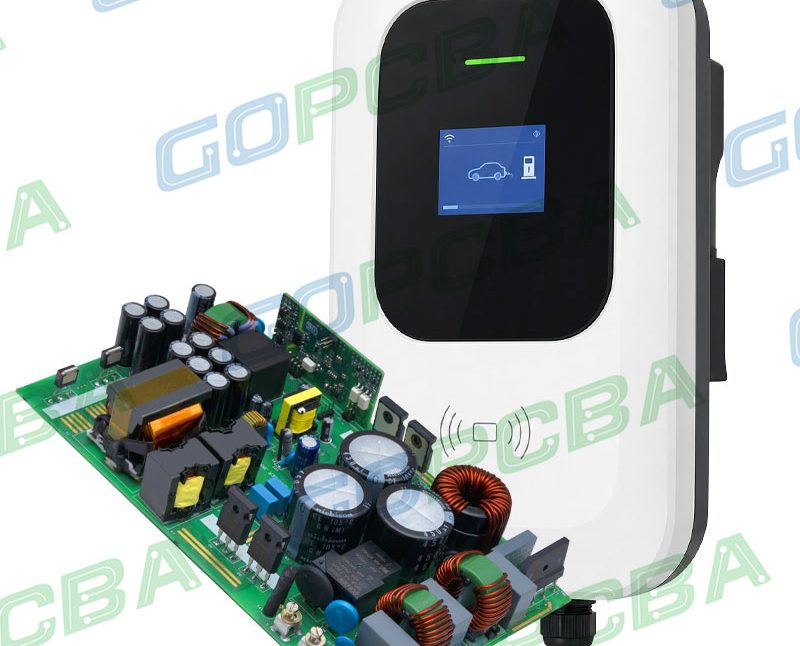
4 Layer EV Charger PCB: Design, Materials and Manufacturing Guide Why Charging Station Control Boards Need Four Layers Electric vehicle charging stations place tough demands on their control electronics. The board must integrate a microcontroller, communication interfaces, voltage and current sensing, relay and contactor drivers, temperature monitoring, fault protection and…
PCBA Hipot Test: Process, Standards and Best Practices Why a PCBA Hipot Test Is Essential Power electronics, electric vehicles, medical devices, industrial automation, communication equipment and new energy systems are all moving toward higher voltage, higher power and higher reliability, which makes electrical safety one of the most important quality…
Multi-industry PCB Customization: One Supplier Buyers and engineers often focus on the finished product and forget the production line behind it. In practice, most field failures can be traced back to process decisions made during assembly. Understanding multi-industry PCB customization gives you a practical advantage when you choose a factory,…
PCB and Sheet Metal Manufacturing: Complete Cost Guide Why PCB and Sheet Metal Costs Belong in One Budget In industrial controls, communication equipment, new energy products, medical electronics, smart terminals and consumer devices, the PCB and the sheet metal enclosure are almost inseparable partners. Procurement teams that only watch the…