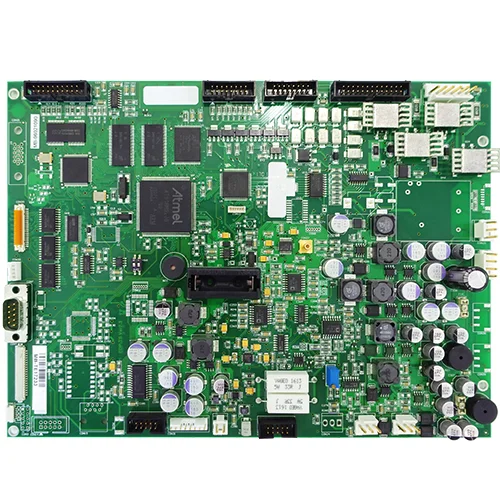
Optimizing Power Integrity and Mechanical Robustness in Industrial PCB Assembly for Motor Drive and PLC Platforms

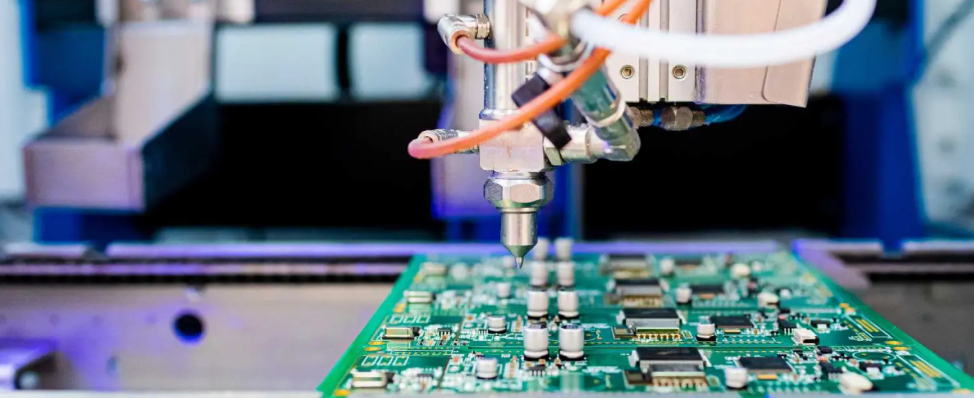
Engineering Context Motor drive systems and programmable logic controller (PLC) platforms are core elements of modern industrial automation, responsible for precise motion control, deterministic logic execution, and continuous system operation. The industrial PCB assembly used in these platforms must withstand high current transients, electrical noise, vibration, and long-term thermal stress…
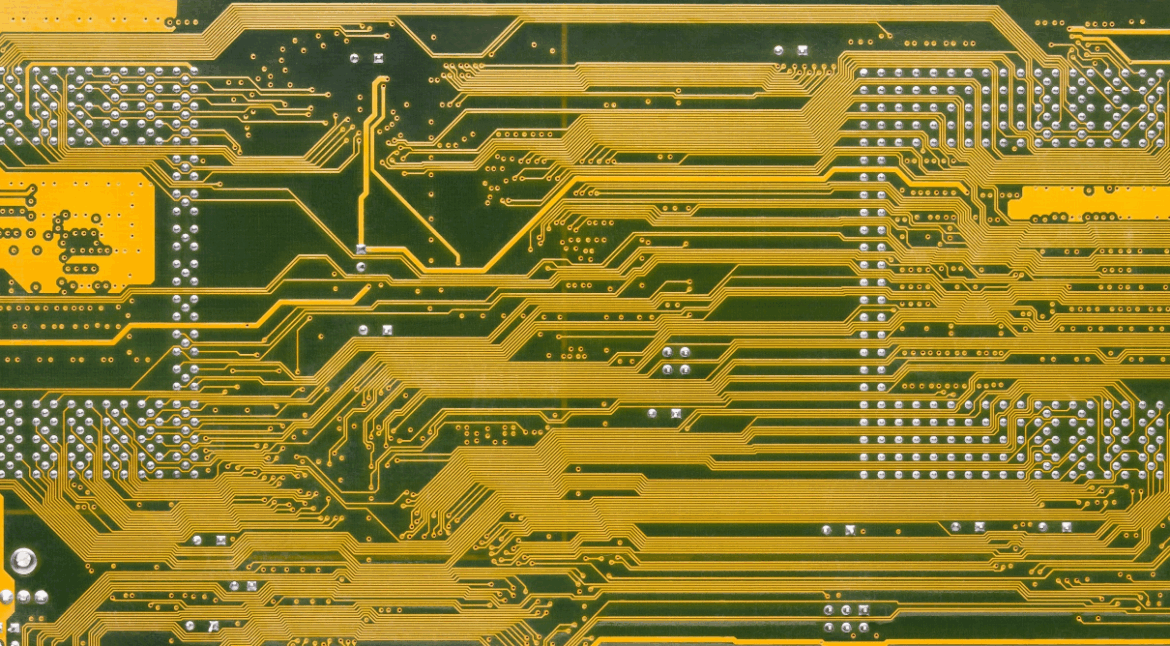
Industrial PCB Assembly

Enhancing Reliability and Process Precision of Industrial PCB Assembly in Factory Automation Control Systems

Abstract Factory automation control systems form the backbone of modern manufacturing, enabling precise motion control, real-time monitoring, and deterministic communication across complex industrial environments. At the core of these systems lies the industrial PCB assembly, which integrates processors, power electronics, communication interfaces, and sensor inputs into a platform expected to…
PCB Assembly

PCB Assembly Services: Engineering-Driven Manufacturing, Process Control, and Reliability Validation for High-Reliability Electronics

Engineering Context PCB assembly services form the critical bridge between electronic design intent and reliable product realization. As electronic systems evolve toward higher integration, higher frequencies, and stricter reliability requirements, PCB assembly is no longer a purely manufacturing task but an engineering-controlled process that directly impacts electrical performance, thermal behavior,…
through-hole PCB assembly

Through-Hole PCB Assembly: Engineering Reliability, Mechanical Strength, and Process Validation for High-Reliability Electronics

Engineering Context / Abstract Through-hole PCB assembly (THT assembly) remains a critical manufacturing technology for electronics that demand superior mechanical strength, high current capability, and long-term reliability. While surface-mount technology dominates high-density consumer electronics, through-hole PCB assembly continues to be indispensable in industrial controls, medical equipment, power electronics, automotive modules,…
medical ventilator PCB assembly

Medical Ventilator PCB Assembly: Reliability-Driven Design and Validation for Life-Critical Medical Electronics

Engineering Context Medical ventilators are life-critical devices that must operate continuously, accurately, and safely under strict regulatory and environmental constraints. At the core of these systems lies the medical ventilator PCB assembly, which integrates power management, sensor interfaces, control processors, communication modules, and alarm systems into a compact and highly…
automotive radar PCB

Phase Stability and High-Temperature Performance Validation of Ceramic PCBs in Automotive Radar and ADAS Sensor Platforms

Engineering Context Automotive radar and advanced driver-assistance systems (ADAS) operate in increasingly demanding RF environments, typically at 24 GHz, 77 GHz, and extending toward mmWave sensor fusion platforms. Under-hood and bumper-mounted radar modules are exposed to continuous high-temperature operation, rapid thermal cycling, vibration, and humidity. In such conditions, conventional FR-4…
Conformal Coating for PCBs

Conformal Coating for PCBs: Materials, Process Control, and Reliability Engineering

Engineering Context As electronic systems are increasingly deployed in harsh and unpredictable environments, conformal coating has become a critical reliability-enabling process in modern PCB manufacturing. A properly selected and applied conformal coating protects printed circuit boards from moisture, chemical exposure, salt fog, vibration, and electrical stress while maintaining signal integrity…
Ceramic PCB

Ceramic PCB Technology: Materials, Stackup, and Reliability Engineering

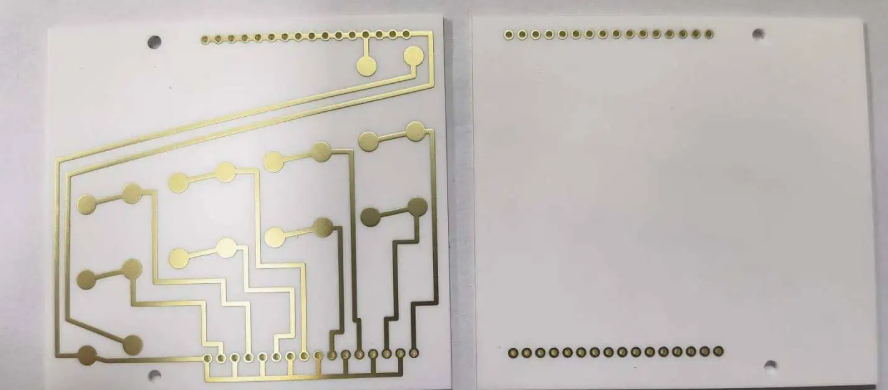
Engineering Context Ceramic printed circuit boards (Ceramic PCBs) represent a critical platform for next-generation electronics operating under extreme thermal, electrical, and environmental stress. Unlike conventional FR4 or metal-core PCB solutions, ceramic PCB technology leverages inorganic ceramic substrates to achieve exceptional thermal conductivity, dielectric strength, and phase stability across wide temperature…
Copper Base PCB

Metal-core Vs Aluminum Vs Copper Pcbs: Engineering Comparison

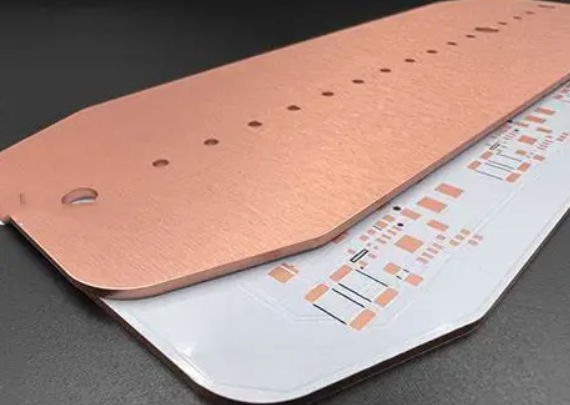
Engineering Context Metal-core printed circuit boards (MCPCBs) have become a critical platform for modern electronics where thermal management, mechanical stability, and signal integrity must be balanced. Among them, aluminum-based PCBs and copper-based PCBs are the two most widely deployed solutions. Although they share a similar stack concept—a conductive circuit layer,…