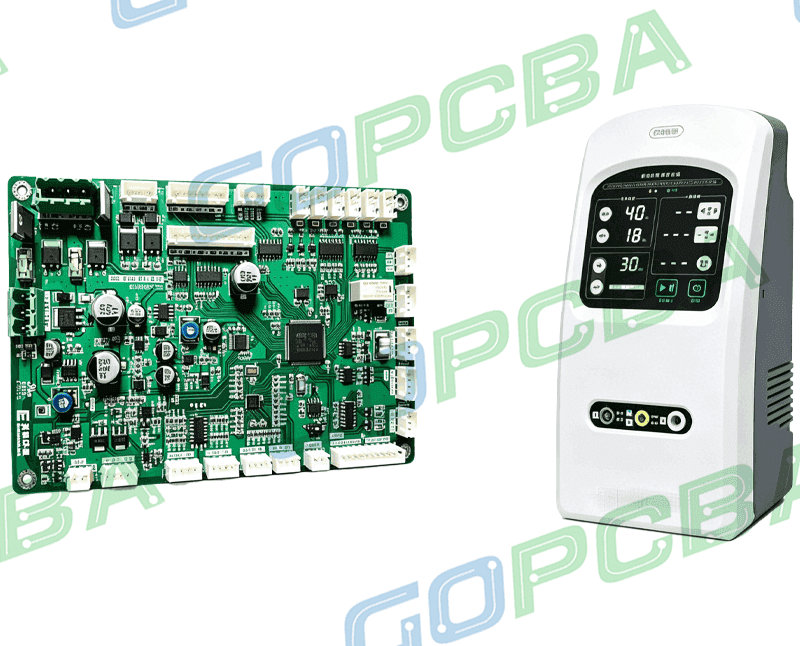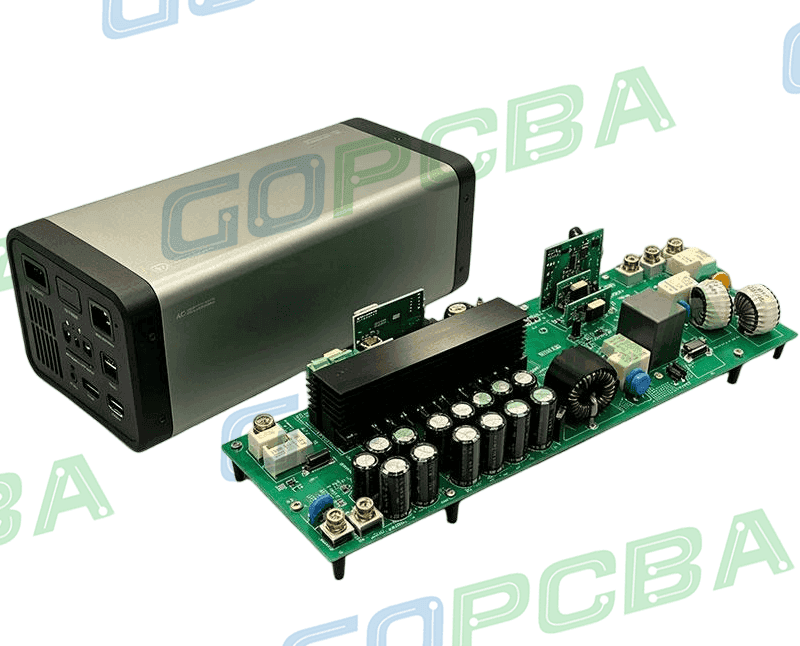
PCB Customer Complaint Traceability: Following One Board Buyers and engineers often focus on the finished product and forget the production line behind it. In practice, most field failures can be traced back to process decisions made during assembly. Understanding PCB customer complaint traceability gives you a practical advantage when you…
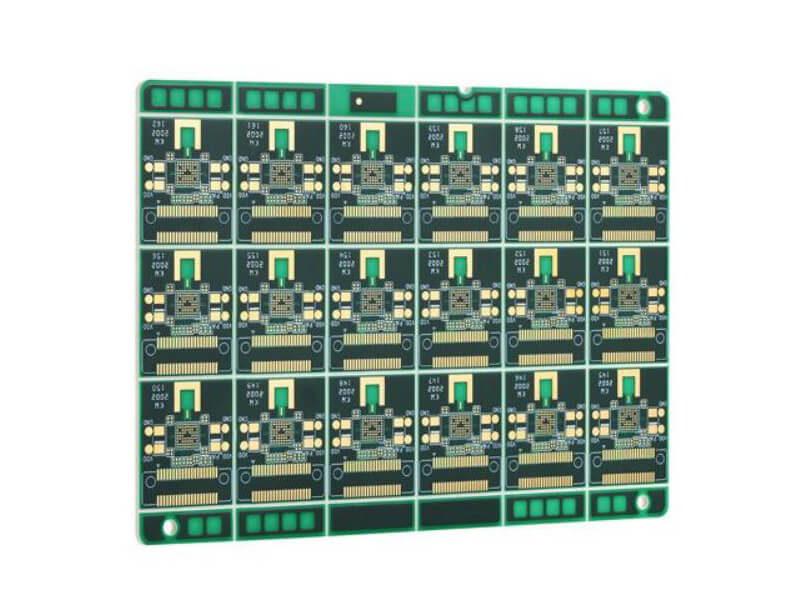
Dry Film Lamination: 6 Parameters That Decide Yield Dry film lamination is the step that bonds a photosensitive resist to the copper surface, and it silently sets the limit on what the imaging line can produce. Every fine line that later fails to develop, every trace that lifts in the…
Steam Aging: 5 Rules for a Solderability Test Steam aging is a preconditioning step used before a solderability test. It exposes the pads on a coupon to hot saturated vapour for a fixed time, so the surface reaches a state similar to a board that has been stored for months.…
Fixture Probe Care: 6 Rules for ICT Reliability A fixture probe is the only electrical interface between the test system and the board, and every measurement made by an in-circuit tester passes through it. The contact lasts a limited number of touchdowns, and its condition drifts long before it fails…
Nozzle Vacuum: Preparation, Placement and Process Control Nozzle vacuum is the pressure difference that holds a component on the tip of the placement head between the feeder and the board. It is produced by a venturi or a pump, measured by a sensor in the head, and it has to…
PCB Customer Complaint Environment: Where It Happens Electronics manufacturing has become a discipline of small details. Solder paste volumes, placement accuracy, temperature profiles and inspection limits all add up to the final result. This guide looks at PCB customer complaint environment from the perspective of a PCBA factory floor, covering…
PCB Customer Complaint Timing: How Long It Takes Buyers and engineers often focus on the finished product and forget the production line behind it. In practice, most field failures can be traced back to process decisions made during assembly. Understanding PCB customer complaint timing gives you a practical advantage when…
Tape Splice Control: 6 Rules for SMT Reels A tape splice is the joint that lets a running placement machine move from an empty reel to a full one without stopping the line. Done well, the joint passes through the feeder like any other length of tape. Done badly, it…
Nozzle Vacuum: 5 Checks That Stop Lost Components Nozzle vacuum is the pressure difference that holds a component on the tip of the placement head between the feeder and the board. It is produced by a venturi or a pump, measured by a sensor in the head, and it has…
PCB Customer Complaint Handover: Passing It On Modern electronics depend on boards that are assembled correctly the first time. Every product – a phone, a charger, a medical instrument or an industrial controller – relies on thousands of solder joints that must conduct current for years. This article explains PCB…