PCB Cycle Time Cost: What It Adds Up To Modern electronics depend on boards that are assembled correctly the first time. Every product – a phone, a charger, a medical instrument or an industrial controller – relies on thousands of solder joints that must conduct current for years. This article…
Selective Soldering Nozzle Choice: 6 Rules for Clean Joints Selective soldering uses a small pumped fountain of molten solder to join individual through-hole pins, one joint or one group at a time. The nozzle is the part that shapes the process: its diameter, its inner geometry and its height above…
Dry Cabinet Storage: 5 Rules for MSL Parts A dry cabinet is a closed storage unit that holds relative humidity below the level at which a moisture sensitive component keeps absorbing water. It is not a convenient cupboard for open reels; it is process equipment with a set point, a…
Solder Pot Temperature Uniformity: 6 Checks Before Production Solder pot temperature uniformity is the spread in temperature across a bath at the moment of soldering, and it matters more than the number on the controller. A pot reading 250 degrees at its thermocouple while one corner of the wave sits…
Nitrogen Blanket: 5 Rules for Inert Soldering Atmospheres A nitrogen blanket is an inert atmosphere maintained over the solder joint while it is molten, and its purpose is to keep oxygen away from hot metal. Air contains about 209,000 parts per million of oxygen; a blanket aims for a few…
PCB Cycle Time Problems: When It Goes Wrong Electronics manufacturing has become a discipline of small details. Solder paste volumes, placement accuracy, temperature profiles and inspection limits all add up to the final result. This guide looks at PCB cycle time problems from the perspective of a PCBA factory floor,…
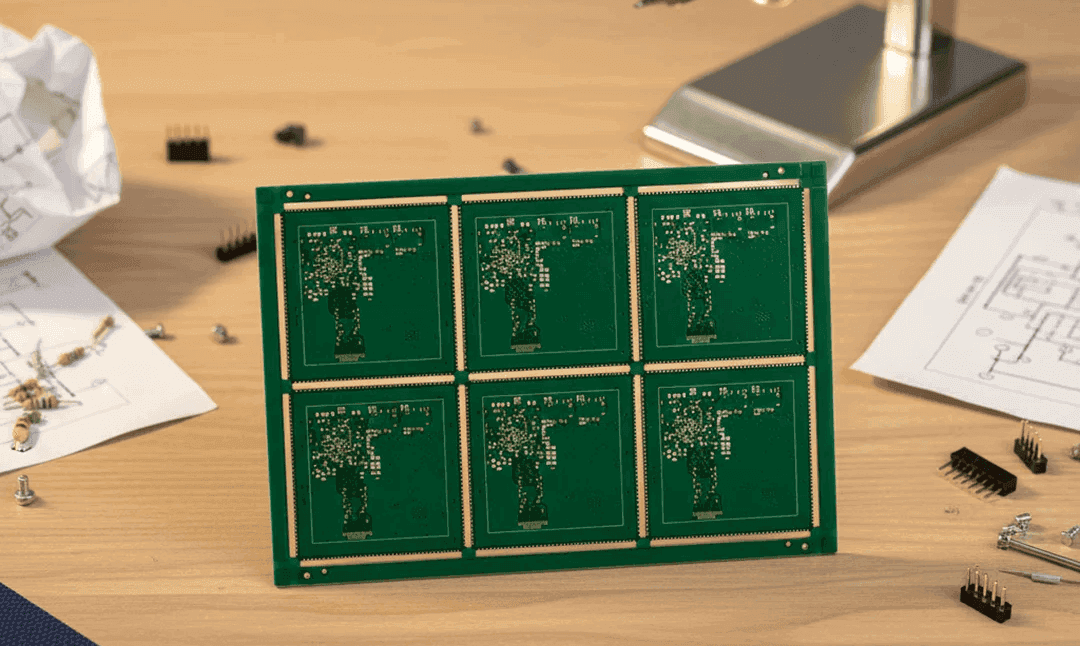
Tab Count on a PCB Array: 5 Depaneling Rules Tab count is the number of bridges that hold each board inside its panel, and it decides how much the board can flex before the bridges are cut. The number is usually set by the layout designer and then confirmed by…
Microsection Sample Preparation: 7 Steps to a Trustworthy Cross Section A microsection is a polished slice through a plated hole or a pad, examined under a microscope to show plating thickness, barrel integrity and the interface between copper and laminate. It is the reference method behind most acceptance decisions on…
PCB Cycle Time Checklist: What to Check Modern electronics depend on boards that are assembled correctly the first time. Every product – a phone, a charger, a medical instrument or an industrial controller – relies on thousands of solder joints that must conduct current for years. This article explains PCB…
Wetting Force: Reading a Wetting Balance Curve Correctly Wetting force is the pull that molten solder exerts on a sample when it wets the surface, and measuring it turns solderability from an opinion into a number. The instrument that does it is a wetting balance, which lowers a sample into…