
Nitrogen Blanket: 5 Rules for Inert Soldering Atmospheres
A nitrogen blanket is an inert atmosphere maintained over the solder joint while it is molten, and its purpose is to keep oxygen away from hot metal. Air contains about 209,000 parts per million of oxygen; a blanket aims for a few hundred to a thousand, which is enough to change how the alloy and the flux behave on the board.
The effect is real but easy to overstate. Nitrogen prevents new oxide from forming, it does not remove oxide that is already there, so a board with poor solderability will still solder poorly in nitrogen. Where the process is good, an inert atmosphere widens the margin and reduces the defects that come from marginal wetting.
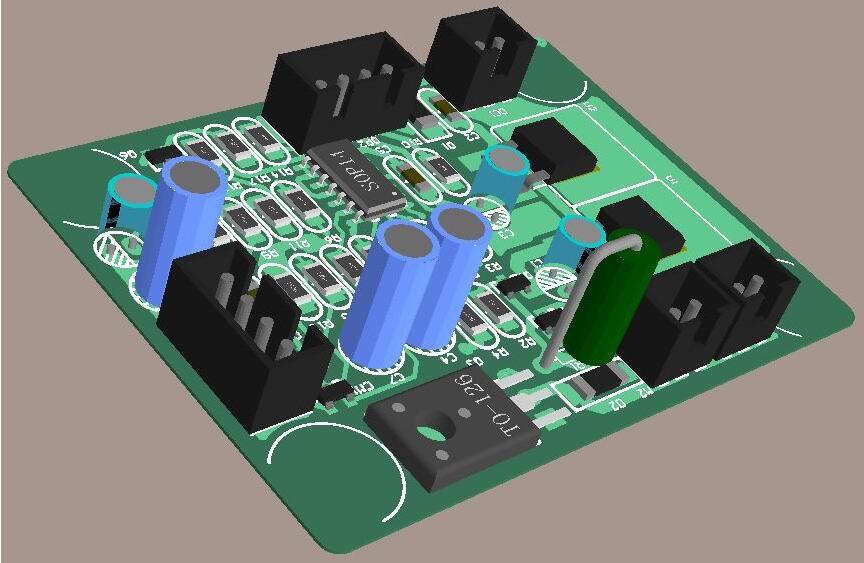
What a Nitrogen Blanket Does in a Soldering Machine
In reflow, the nitrogen blanket surrounds the paste deposit through the soak and the peak, so the powder particles and the pad surfaces are not oxidising as they approach the liquidus. In wave soldering the nitrogen displaces the air above the pot and around the wave, so the solder surface is not continuously forming oxide as it moves.
The mechanisms are different in the two processes even though the gas is the same. Reflow depends on the atmosphere inside a sealed tunnel, so the seal and the load matter more than the flow. Wave soldering depends on keeping the region around the wave inert while the board passes through it, so the gas delivery and the nozzle geometry dominate.
Oxygen Level: Choosing a Target
The oxygen level is quoted in parts per million, and the useful targets fall in a range rather than at a single value. Below about a thousand parts per million the improvement in wetting from the nitrogen blanket is clear; below a few hundred the benefit flattens, and the gas cost and the sealing requirements rise sharply.
The right target follows from the flux and the finish. A low-solids no-clean flux with little activity needs more help from the atmosphere than an active flux, and an organic solderability preservative finish benefits more than a plated finish that is already clean. Set the target with a test vehicle, then hold it, because a drifting oxygen level produces drifting results.
Flow Rate, Turbulence and Consumption
The flow rate should be the minimum that holds the target oxygen level under production load. Excess flow is not harmless: in a wave machine it disturbs the wave surface, which adds turbulence and increases bridging and solder icicles, and it also cools the solder as it leaves the nozzle.
Consumption is a cost that is easy to measure and hard to justify after the fact. Flow meters on the delivery line, a target oxygen level at the critical zone and a check under the heaviest board the line runs will show whether the setting is adequate. A setting chosen at idle is almost always too generous, because a machine with no boards in it holds its atmosphere easily.
Dross Formation in Wave Soldering
Dross is the oxide and intermetallic skin that forms on molten solder in contact with air, and it is the clearest economic case for inerting. A nitrogen blanket over the pot reduces dross formation to a small fraction of the open-air rate, which cuts solder consumption, reduces the frequency of pot cleaning and keeps the alloy chemistry stable for longer.
The saving is not only the metal. Dross that is not removed is entrained into the wave and transferred to the joints, where it shows up as rough solder, poor wetting and inclusions. Reducing dross formation at the source removes a whole family of defects before they can appear, and it makes the routine in our dross control notes far easier to hold.
Wetting, Bridging and Surface Appearance
Wetting improves because the alloy is meeting a cleaner surface. The visible result is a solder joint with a brighter finish and a lower contact angle, and the process result is fewer skips on marginal pads. Appearance is the weaker argument for the investment, but it is a useful indicator that the atmosphere is working.
Bridging is affected in the opposite direction when the flow is set badly. Nitrogen lowers the surface oxide that would normally help separate two adjacent joints, so a machine with excess gas and a turbulent wave can bridge more than the same machine in air. The gas does not create the bridge; it removes the brake that was hiding an unstable wave.
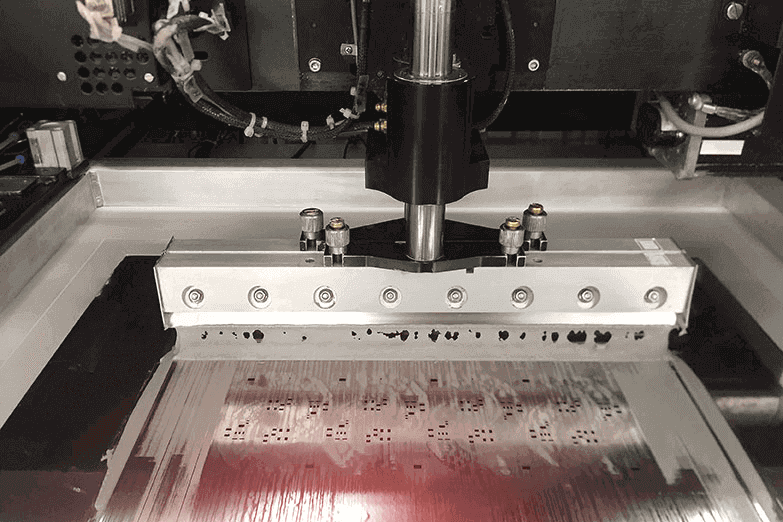
Nitrogen Blanket in Reflow: Voiding and Flux Chemistry
In reflow, the atmosphere changes how the flux volatiles leave the joint. Lower oxygen reduces the oxidation of the paste powder and improves coalescence, but the effect on voiding depends on the flux chemistry and the profile rather than on the gas alone. Some fluxes produce fewer voids in nitrogen, and some are unaffected.
That is a measurement question, not a preference. Run the same profile with the same paste in air and in nitrogen, then measure void area on the same joint types with the same void criteria. Where the difference is small, the gas is not paying for itself on that product, and the decision should be made per product rather than per factory.
Tunnel Design, Sealing and Purging
A nitrogen blanket only exists if the machine can hold it. Curtains at the entry and exit, baffles between zones, and a tunnel that is sealed along its length all reduce the gas needed to reach a target. Where the machine is old and the seals are poor, the oxygen level rises at every opening and the consumption climbs accordingly.
Purging at startup takes time, and the atmosphere reaches its target only after the tunnel has been swept. Production should not start until the analyzer shows the target at the far end of the tunnel, because the entrance zone reaches specification first and the exit zone is the last place oxygen leaves. Our oven loading notes describe how the board load interacts with the zone atmosphere.
Measuring and Recording the Atmosphere
The oxygen level must be measured where the joint is, not at the gas inlet. A probe in the supply line reports the quality of the gas; a probe in the heating zone reports the condition the board sees. Zirconia and electrochemical sensors both drift with age, so a calibration against a known gas should be on a schedule.
Recording matters because an atmosphere fault is invisible on the finished board until it produces a defect. A daily log of the oxygen level at the critical zone, taken under production load, turns a slow sensor failure or a torn curtain into a trend that can be corrected rather than a batch of boards that has to be quarantined.
When Nitrogen Is Not Worth the Cost
A nitrogen blanket adds gas, equipment and maintenance, and it can hide a process that is only marginally capable. Where the flux is active, the board is simple and the finish is fresh, an air process often produces the same result at lower cost, and the IPC workmanship criteria are met without it.
The strongest case for inerting is a product with fine pitch, a low-solids flux, a sensitive finish, or a defect history that resists every other change. The weakest case is a product where nitrogen was added to solve a problem that was really caused by an unstable wave, a worn stencil or a marginal pad, as our wave process control notes describe.
FAQ
Does a nitrogen blanket remove the need for flux? No. Flux is still required to remove the oxide present on the pad and the component, and to protect the surface until the alloy flows. Nitrogen only prevents new oxide from forming, so a flux-free process is not an option in a normal reflow or wave machine.
What oxygen level should a lead-free process use? Most lead-free processes target somewhere between a few hundred and a thousand parts per million, set by test rather than by rule. The correct value is the highest level that still produces the wetting and defect rate the product needs, because that level costs the least gas.
Can nitrogen cause defects? It can expose them. A wave that is unstable bridges more readily in an inert atmosphere, and a flux that relies on air oxidation to reach its intended residue character may behave differently. Both are process problems that the gas reveals rather than creates.