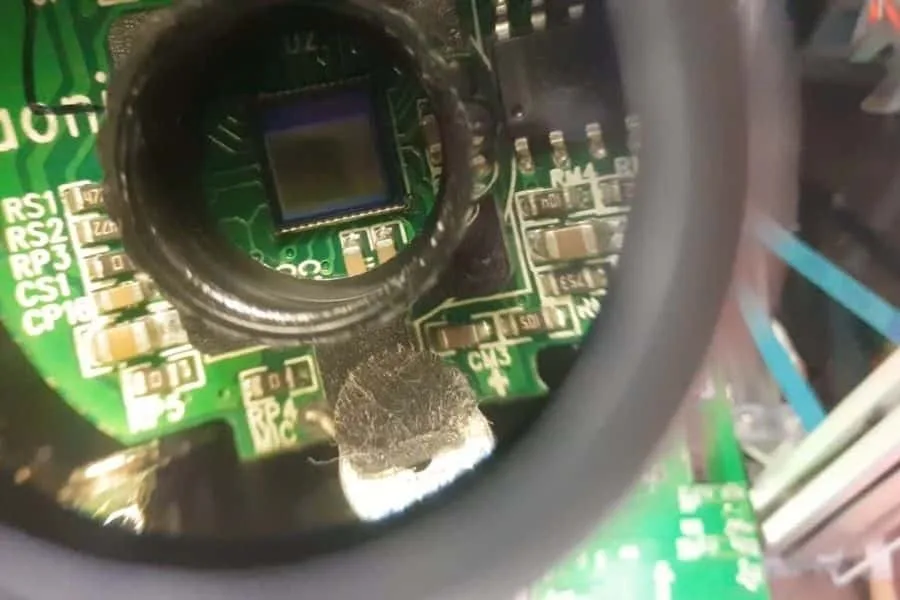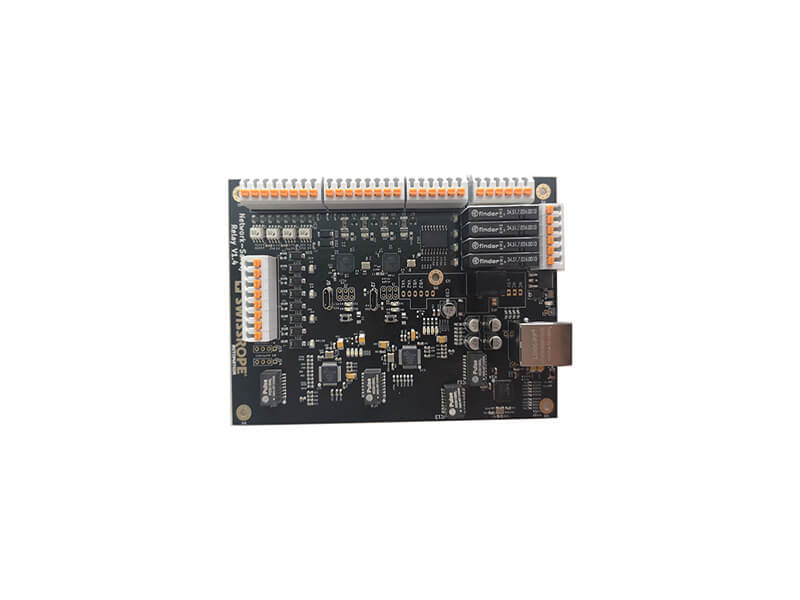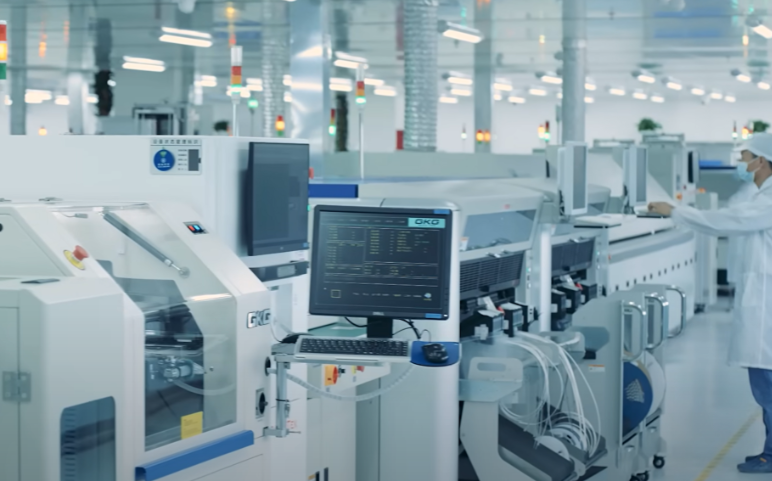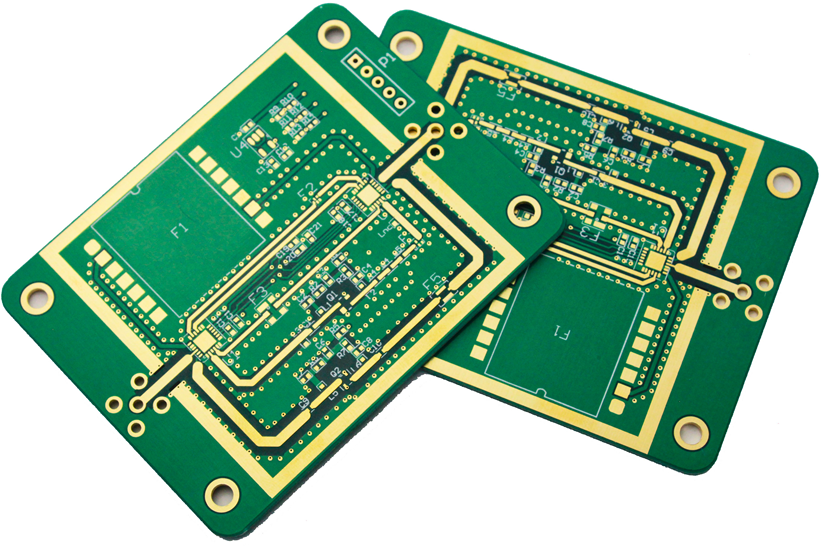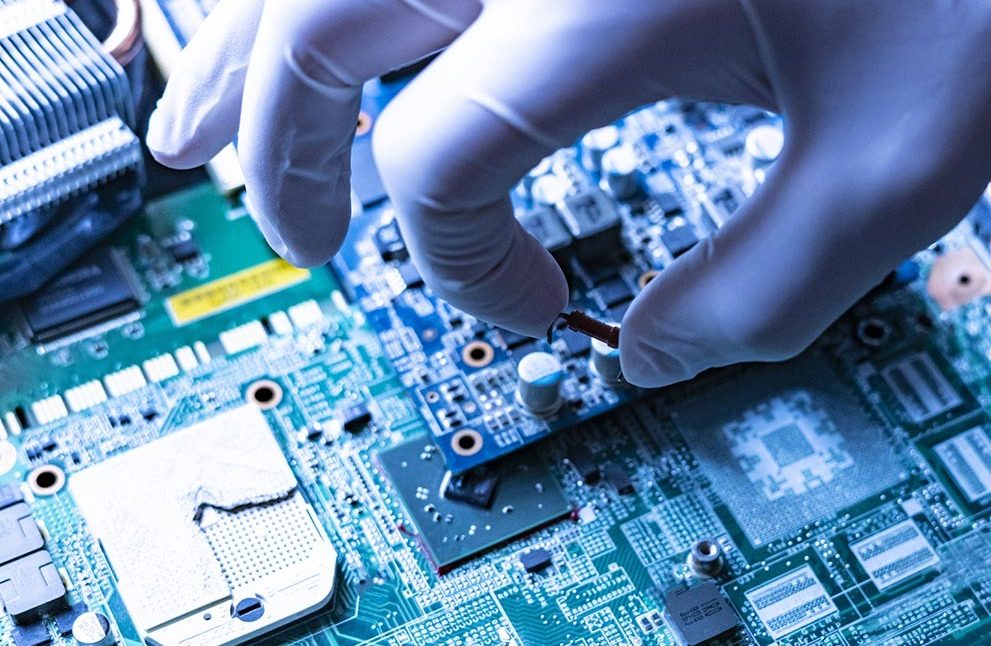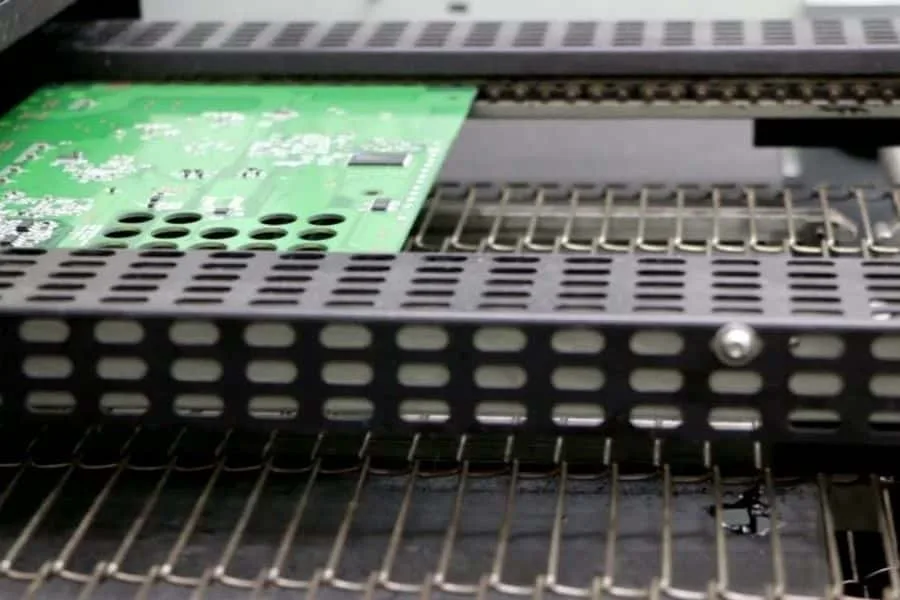
PCB Conveyor Data: What the Numbers Say Buyers and engineers often focus on the finished product and forget the production line behind it. In practice, most field failures can be traced back to process decisions made during assembly. Understanding PCB conveyor data gives you a practical advantage when you choose…
Thermal Shock Test Methods for Assemblies Thermal shock testing moves an assembly between two temperature extremes as quickly as the equipment allows. It is not the same test as thermal cycling, even though both use temperature, and the difference determines which one is appropriate for a given question. Thermal shock…
Solder Wick Selection and Technique for Board Rework Solder wick looks like the simplest tool in the rework kit and behaves like one of the most demanding. Used well it removes a joint cleanly in a second or two with no damage to the pad. Used badly it lifts a…
Solder Ball Attach Defects and Their Causes A ball attach process places spheres on the package substrate and reflows them, and the defects it produces are mostly hidden until the package is assembled onto a board. The process window is narrow because the sphere has to form a joint and…
Solder Mask Thickness and Its Measurement Solder mask is applied to a specified thickness, and the thickness decides the dam height, the electrical isolation and the cure. Measuring it is a routine check that is often replaced by a visual judgement, which is the point at which the specification stops…
Orientation: Design Rules and Process Limits A polarized component that is placed the wrong way round produces a board that fails at test and, on some components, a board that fails immediately. The controls that prevent it are a mixture of the design, the data and the inspection, and they…
Pin in Paste Through Hole Reflow Pin in paste allows a through hole connector to be soldered in the same reflow pass as the surface mount parts, which removes a wave or selective soldering step from the line. The idea is simple: print enough paste into and around the hole,…
Prototype to Volume Transition A prototype build proves that a design can work. A volume build has to prove that it works repeatedly, at a rate and a cost that the business can sustain, with documentation that other people can follow. The transition between the two is where many products…
Flux Residue Qualification for No Clean Processes A no clean process leaves flux residue on the board by design. The decision to leave it is a qualification decision, and it has to be supported by evidence that the residue is harmless for that product in that environment. The evidence comes…
Laser Drilling vs Mechanical Drilling Almost every hole in a circuit board is made by one of two processes. Mechanical drilling uses a rotating bit to cut through the stack, and laser drilling uses a focused beam to remove material by ablation. They are not interchangeable: each has a range…