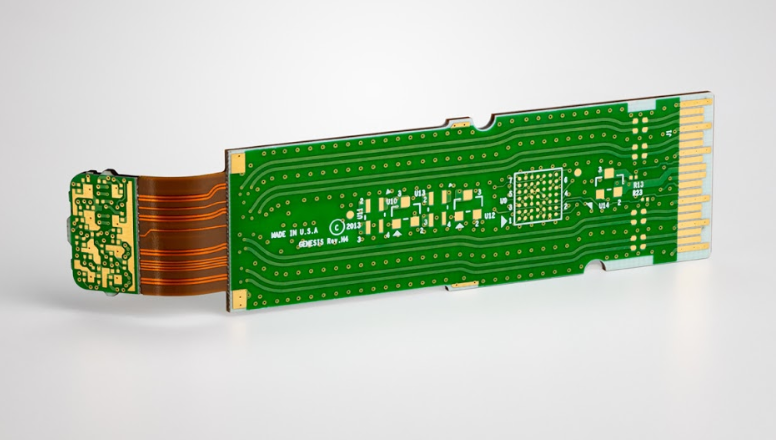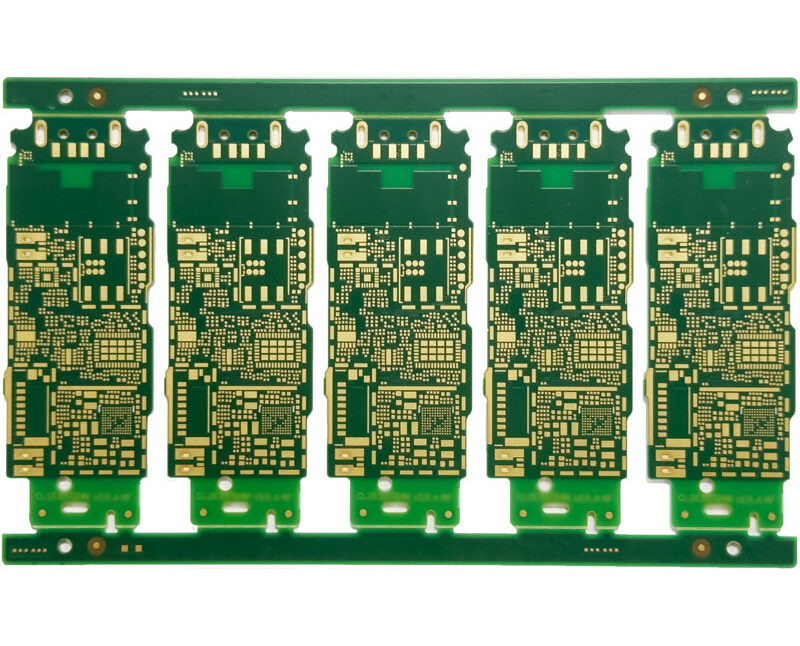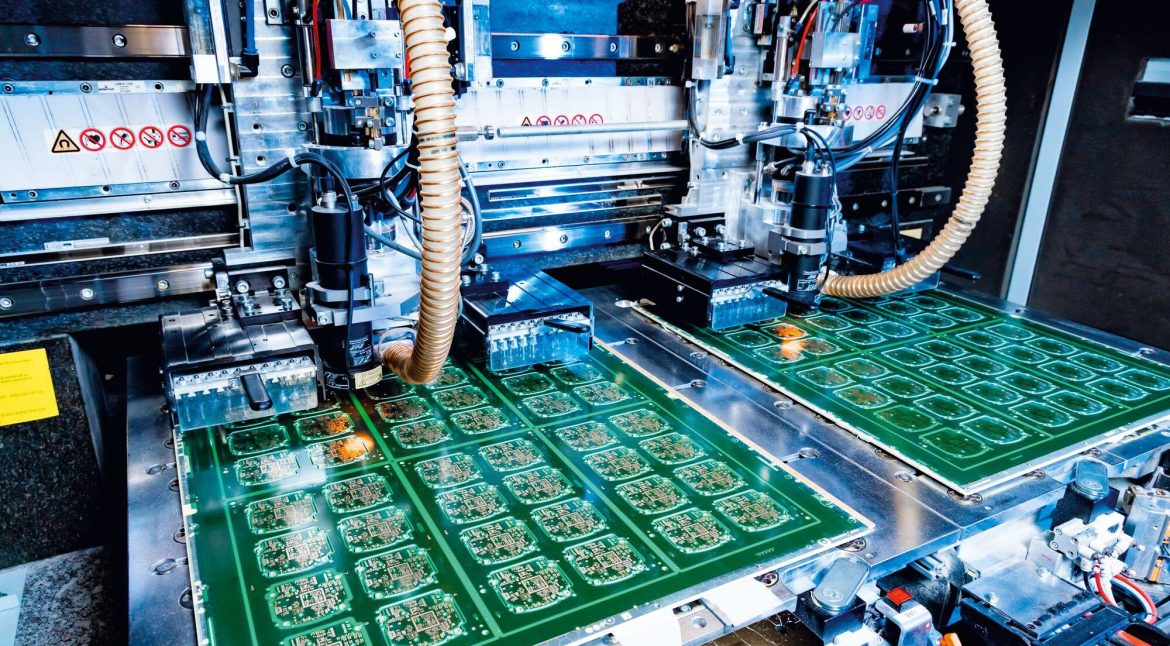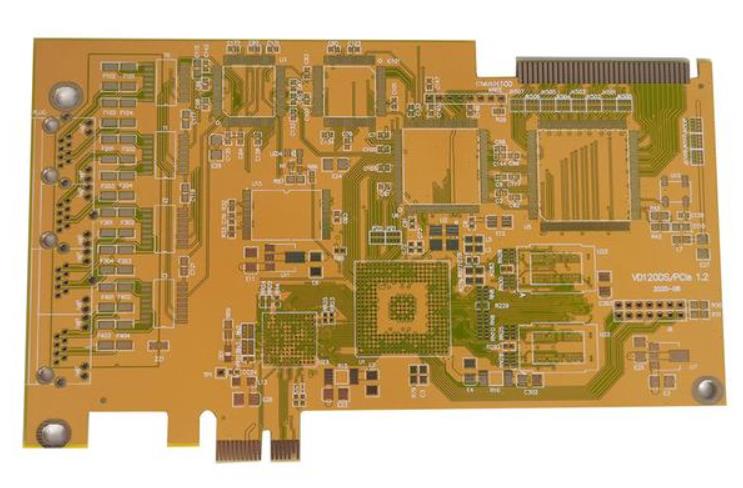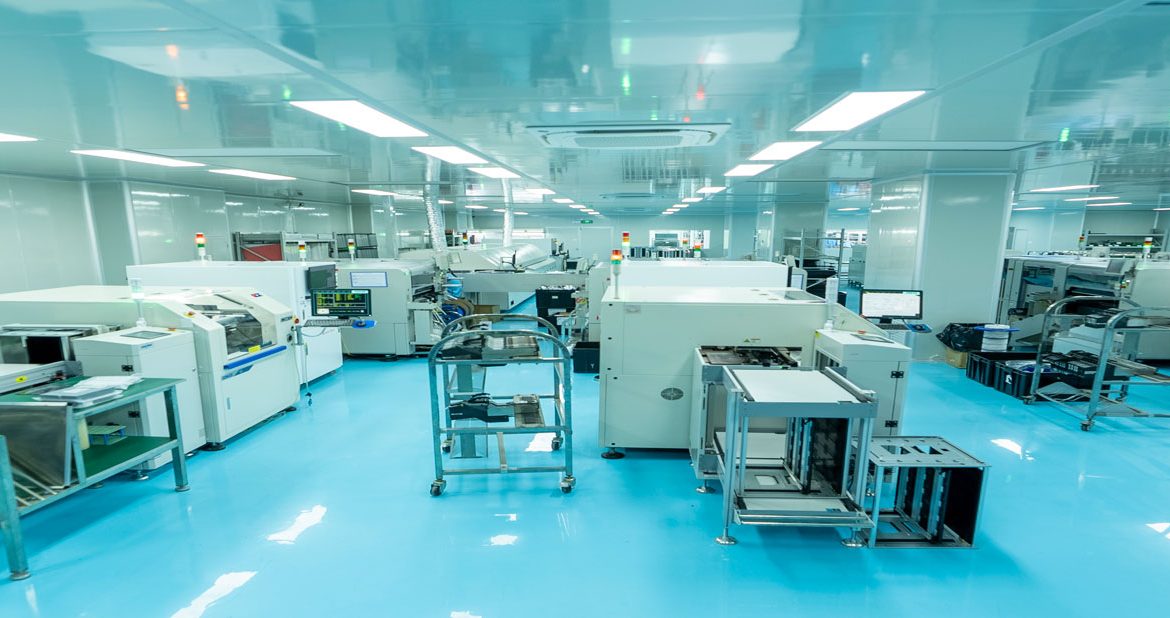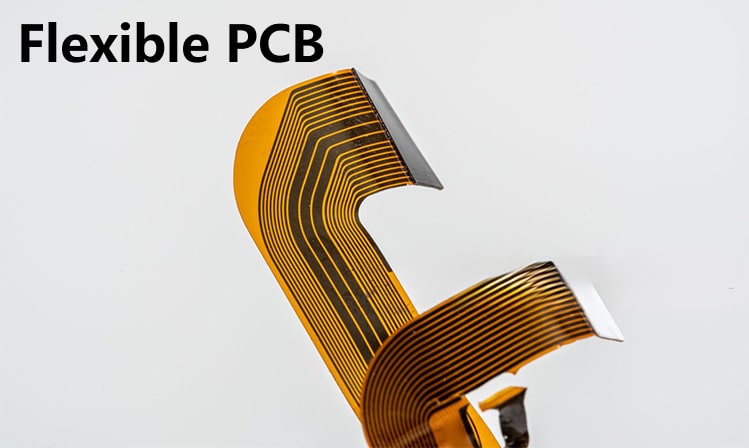
PCB Placement Nozzle Environment: Where It Happens Modern electronics depend on boards that are assembled correctly the first time. Every product – a phone, a charger, a medical instrument or an industrial controller – relies on thousands of solder joints that must conduct current for years. This article explains PCB…
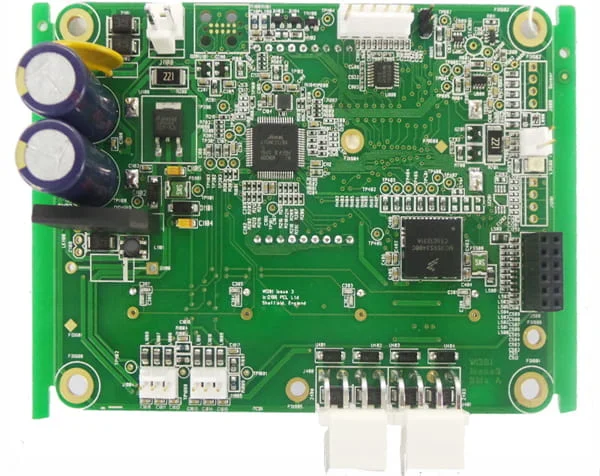
PCB Placement Nozzle Control: Holding It Steady Modern electronics depend on boards that are assembled correctly the first time. Every product – a phone, a charger, a medical instrument or an industrial controller – relies on thousands of solder joints that must conduct current for years. This article explains PCB…

Solder Beading on Chip Components After Reflow A solder bead is a small sphere of alloy that has formed beside a chip component, usually attached to the termination or to the mask. It is a defect because it can move during later handling, because it can bridge to a neighbouring…
Solder Paste Slump Causes and Control Slump is the change in shape of a paste deposit between printing and reflow, and it is measured as the spread of the deposit beyond the aperture footprint. A paste that slumps bridges two pads before the alloy ever melts, and the defect appears…
Reflow Zones: Reflow Zone Tuning for Consistent Joints A reflow oven is a series of temperature controlled zones and a belt, and the profile a board experiences is the result of all of them together. Tuning the zones is how a specification on paper becomes a repeatable result on the…
Solderability and Storage Conditions A board that soldered perfectly last month may not solder today, and nothing about the process has changed. What changed was the surface. Solderability decays with time and with the conditions the board has been stored in, and the decay is invisible until the first defect…
PCB Placement Nozzle Improvement: Getting Better Each Lot Modern electronics depend on boards that are assembled correctly the first time. Every product – a phone, a charger, a medical instrument or an industrial controller – relies on thousands of solder joints that must conduct current for years. This article explains…
PCB Placement Nozzle Traceability: Following One Board Electronics manufacturing has become a discipline of small details. Solder paste volumes, placement accuracy, temperature profiles and inspection limits all add up to the final result. This guide looks at PCB placement nozzle traceability from the perspective of a PCBA factory floor, covering…
Chip Tombstoning and Paste Print Balance Tombstoning is the failure where a two terminal chip component stands on one end after reflow instead of lying flat. It is a visible defect, easily detected, and it is caused by an imbalance in the forces acting on the two terminations during melting.…
Choosing Copper Weight for Power and High Current Boards Copper weight is one of the first numbers a designer chooses and one of the last to be questioned, yet it drives current capacity, thermal behaviour, etch capability and cost at the same time. Specifying one ounce when the board carries…