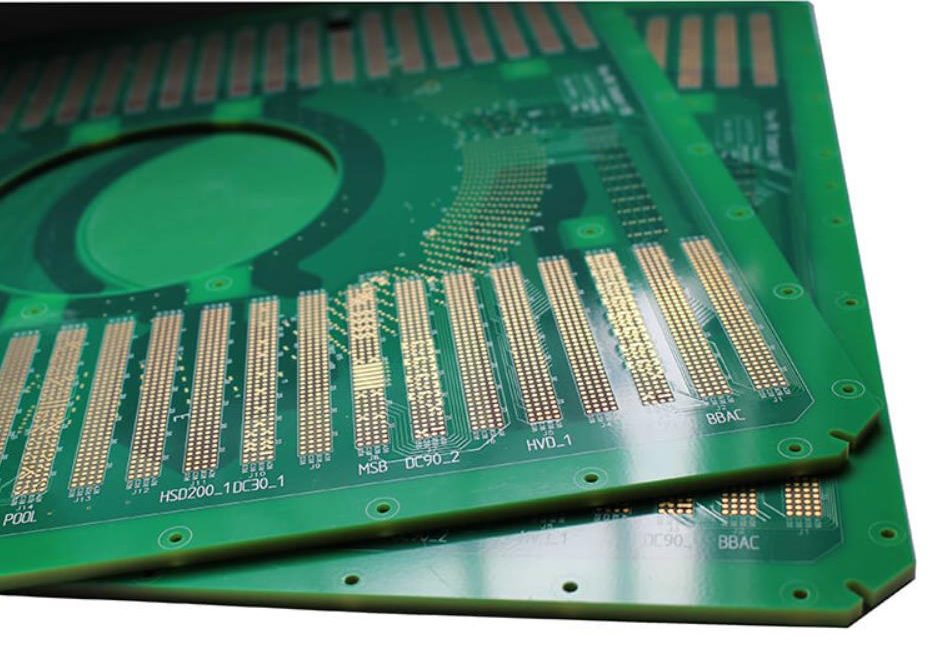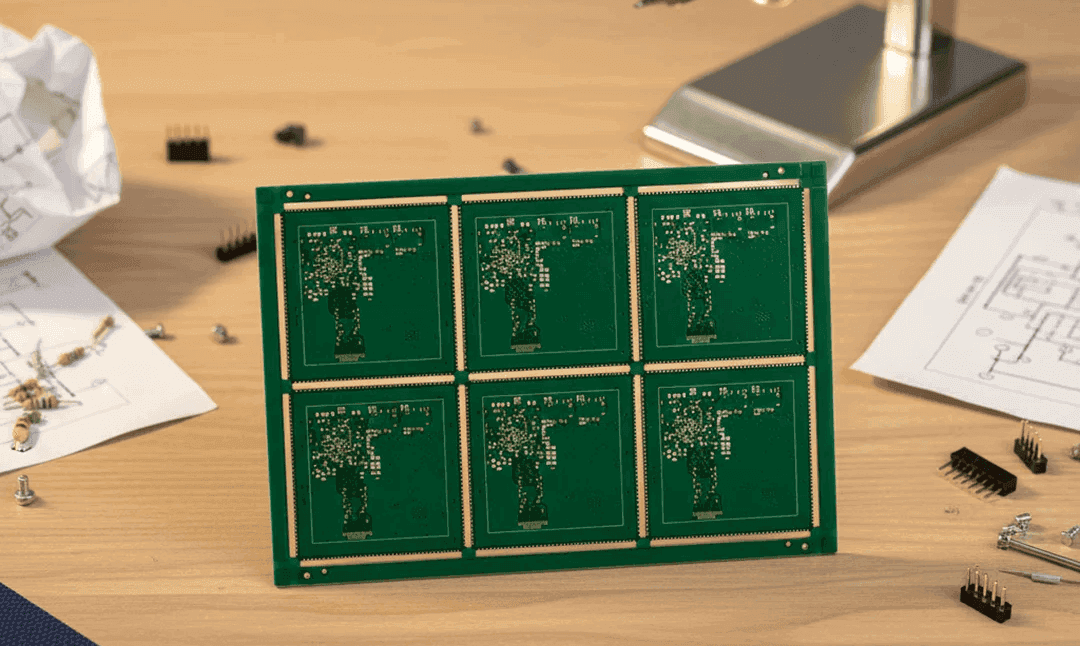
Castellated: Design Rules and Process Limits A castellated hole is a plated half hole on the edge of the board, and it exists so that a module can be soldered onto a carrier by its edge. The plating has to be continuous from the barrel through the cut face to…

Nitrogen Reflow: When It Pays An inert atmosphere during reflow is one of the most commonly specified process upgrades and one of the least carefully evaluated. Nitrogen does change the physics of wetting, but it changes some joints far more than others, and on many boards the benefit is small…
Underfill Dispensing for BGA and CSP A ball grid array or chip scale package carries its thermal and mechanical load through hundreds of small joints that cannot flex. Underfill spreads a filled polymer into the gap between package and board, surrounds each joint and transfers stress away from the solder.…
Water Quality Control in PCB Wet Processes: A Guide Water is the most used chemical in a printed circuit shop and the one that receives the least attention. It carries chemistry into the process, rinses it out again and transports it to the waste treatment plant, and its quality decides…
Counterfeit Component Detection and Avoidance A counterfeit component is a part that is not what its label says. It can be a different grade of the same part, a rejected part that has been re-marked, a used part removed from a scrapped assembly, or a genuine die in a package…
Flex Core Thickness and Bend Radius in a Rigid Flex Build A rigid flex stackup is arranged around the bend rather than around the routing. The layers that cross the bend area have to be symmetrical about a neutral axis, the copper in that area has to be thin and…
Fabrication Data Package Review Before Build The fabrication data package is the only thing the shop has to build from, and every question it leaves open becomes an assumption. A package that is complete and consistent produces a quotation that holds and a board that matches the design intent. What…
Feeder Setup: Design Rules and Process Limits Placement machines are accurate to tens of micrometres and they still produce missing and misaligned parts, because the head can only place what the feeder presents. Feeder setup is the part of the placement process with the most mechanical variation and the least…
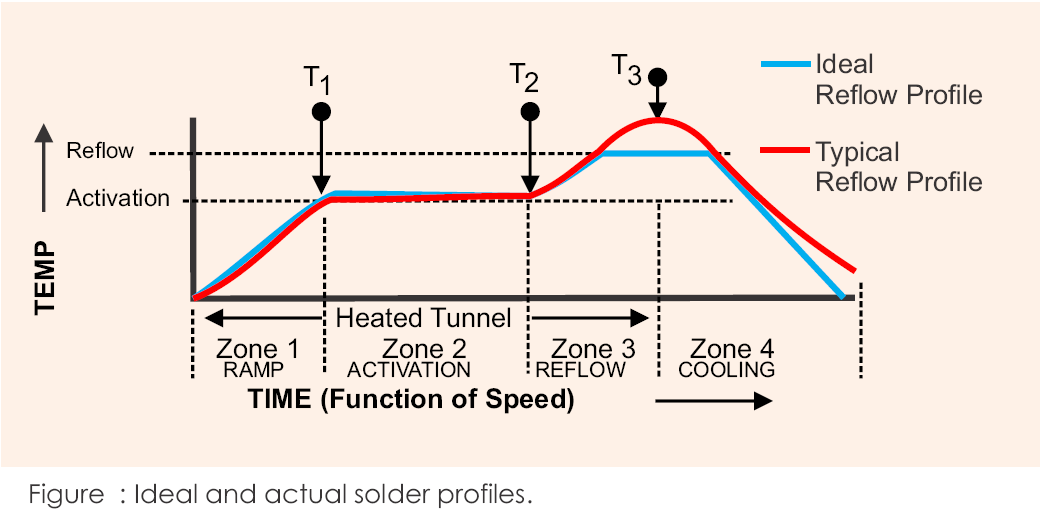
Soak Profile: Soak vs Ramp Reflow Profile Comparison Two profile shapes dominate lead-free reflow. The soak profile climbs to an intermediate plateau, holds while the board equalises and the flux activates, then rises to the peak. The ramp to spike profile climbs almost linearly to the peak and spends the…
PCB Traceability and Labeling in Production Traceability is the ability to say, for any board in the field, which materials and which processes produced it. It is requested by customers in automotive, medical and industrial markets, and it is invaluable to the manufacturer, because a defect that can be traced…