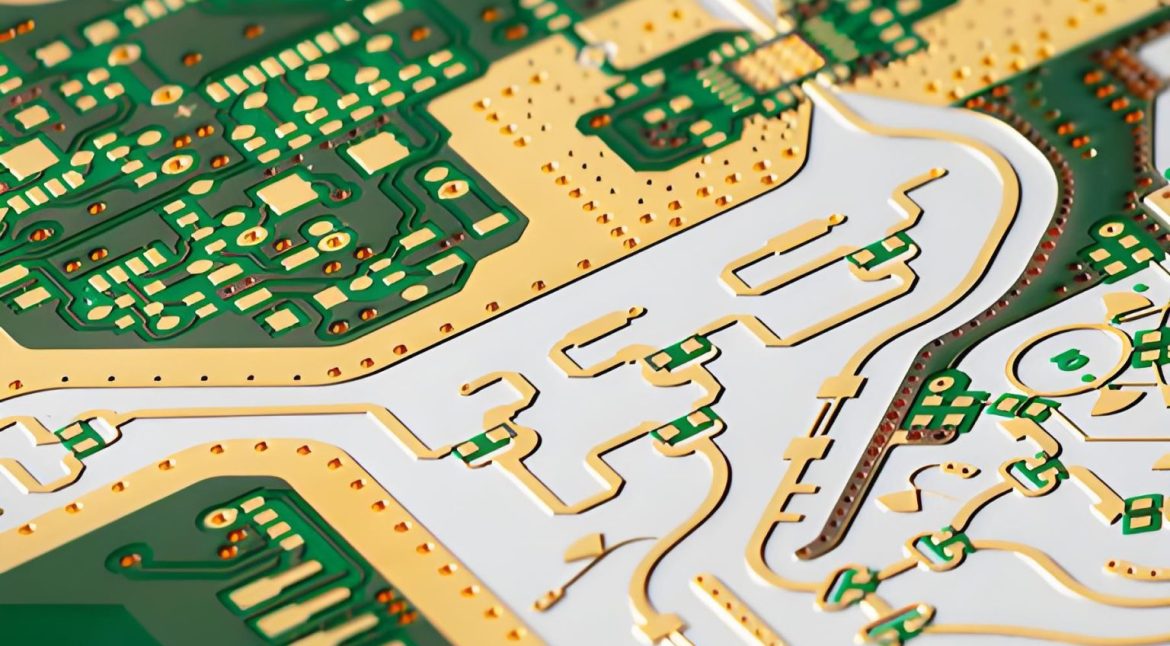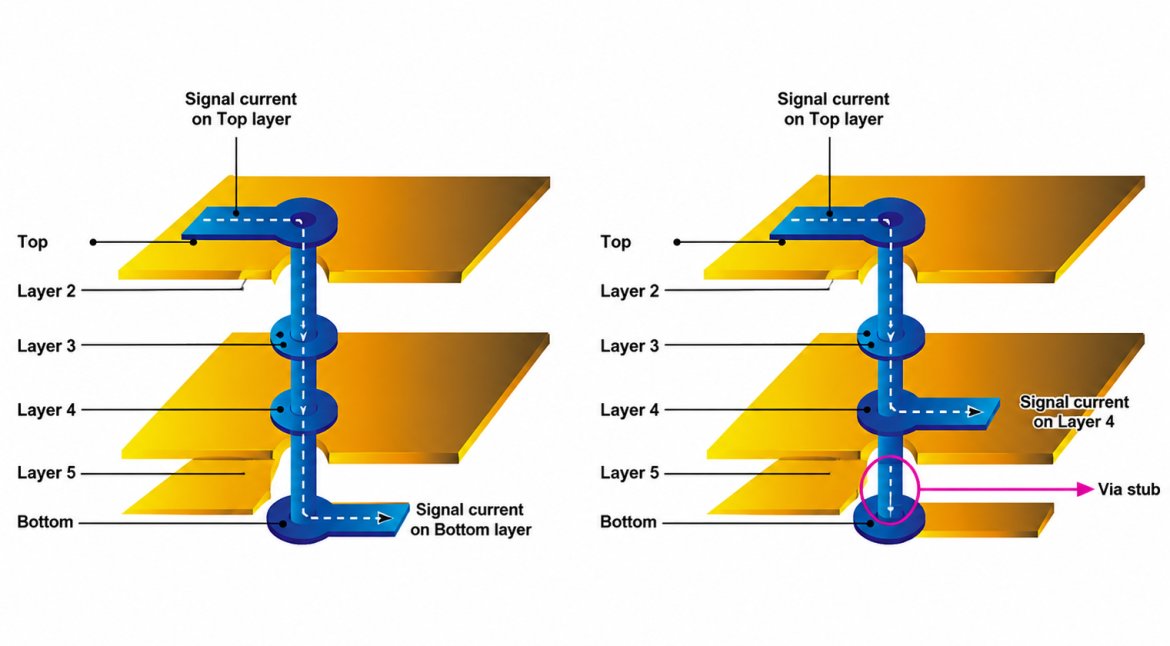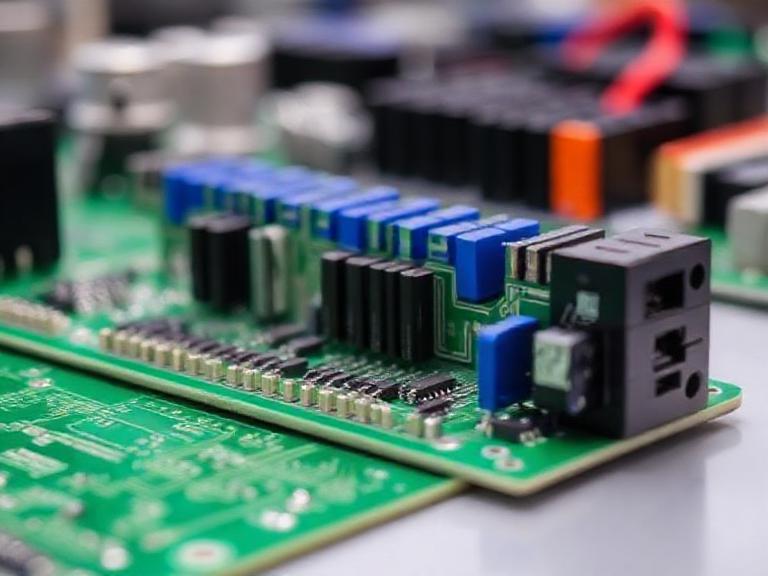
PCB Copper Plating Defects: What Goes Wrong Electronics manufacturing has become a discipline of small details. Solder paste volumes, placement accuracy, temperature profiles and inspection limits all add up to the final result. This guide looks at PCB copper plating defects from the perspective of a PCBA factory floor, covering…
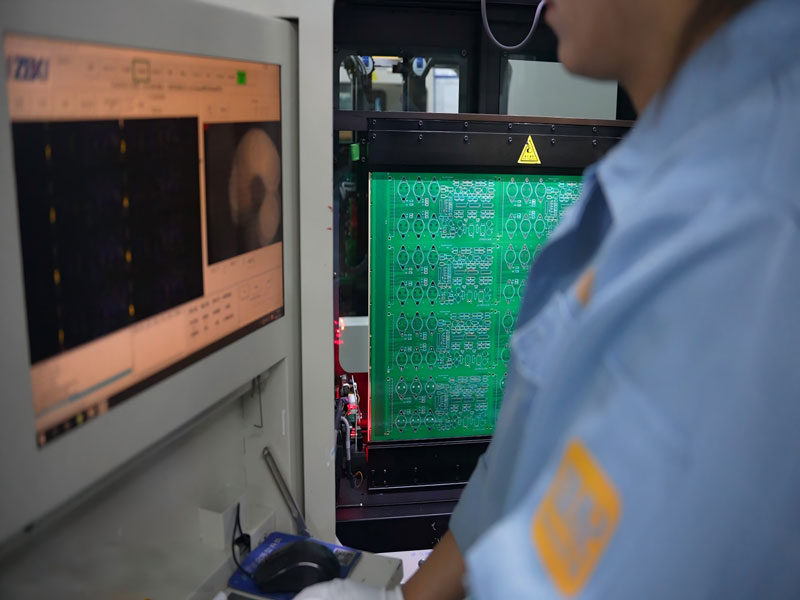
Thermal Cycling Test Setup For PCB Reliability Thermal cycling is the standard accelerated test for solder joint and plated hole reliability. The assembly is taken repeatedly between two temperature extremes, and damage accumulates at the interfaces where materials with different expansion coefficients meet. The value of the test depends entirely…
Dross Reduction in Wave Soldering: Causes and Control Dross is the oxide and intermetallic skin that forms whenever molten solder meets air, and a wave solder pot produces it continuously. It consumes alloy, it has to be removed by hand, and the removal itself costs money and adds a small…
PCB Copper Plating Maintenance: Keeping It Working Electronics manufacturing has become a discipline of small details. Solder paste volumes, placement accuracy, temperature profiles and inspection limits all add up to the final result. This guide looks at PCB copper plating maintenance from the perspective of a PCBA factory floor, covering…
PCB Soldermask Handover: Passing It On Buyers and engineers often focus on the finished product and forget the production line behind it. In practice, most field failures can be traced back to process decisions made during assembly. Understanding PCB soldermask handover gives you a practical advantage when you choose a…
Nitrogen Reflow: Design Rules and Process Limits Nitrogen reflow soldering replaces the air in the oven with an atmosphere that contains very little oxygen. The immediate effect is that the metals being joined do not re oxidise during heating, so the flux has less work to do and the solder…
PCB Soldermask Timing: How Long It Takes Buyers and engineers often focus on the finished product and forget the production line behind it. In practice, most field failures can be traced back to process decisions made during assembly. Understanding PCB soldermask timing gives you a practical advantage when you choose…
Vapor Phase: Design Rules and Process Limits Vapor phase soldering heats a board by immersing it in a saturated vapour whose temperature is fixed by the boiling point of the fluid. The vapour condenses on the board and releases its latent heat, which gives an extremely uniform transfer that does…
Solder Pot Contamination in Wave Soldering Machines A wave solder pot holds several hundred kilograms of molten alloy at around 250 degrees Celsius, and it is exposed to everything the process brings with it: copper from the boards, iron from the fixtures, flux residues, oxide and the plating of the…
Minimum Line Width Selection For PCB Designs The minimum line width on a board is the narrowest conductor the fabricator can produce reliably on that particular stack, and it is one of the first questions a designer should ask. A value that is too aggressive increases cost and reduces yield,…