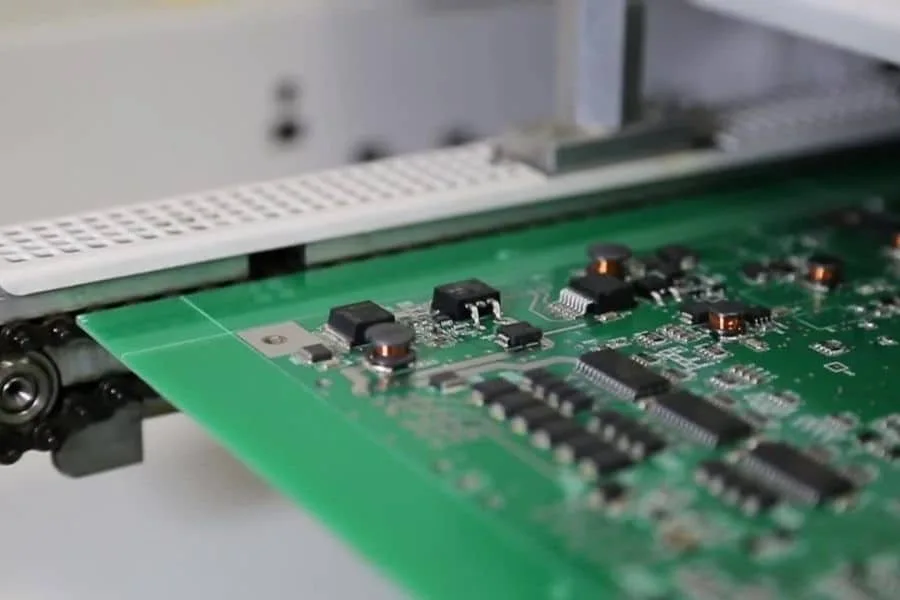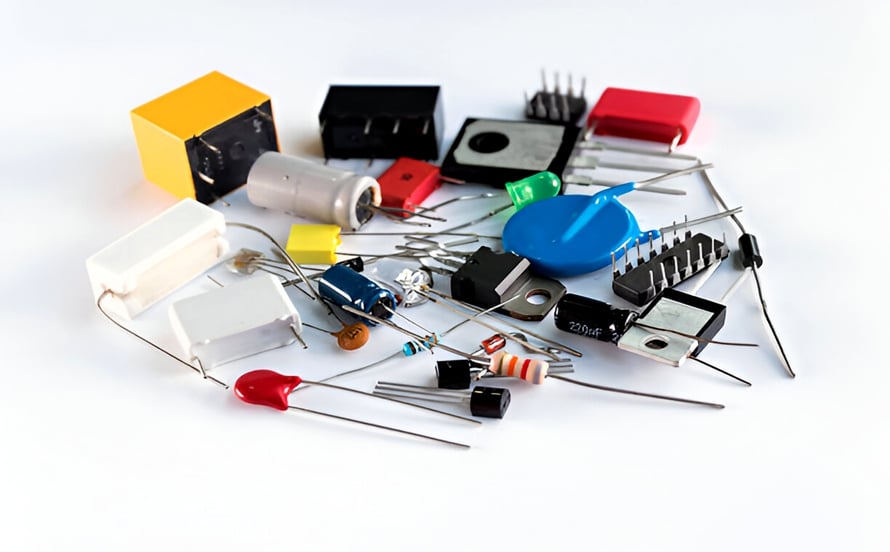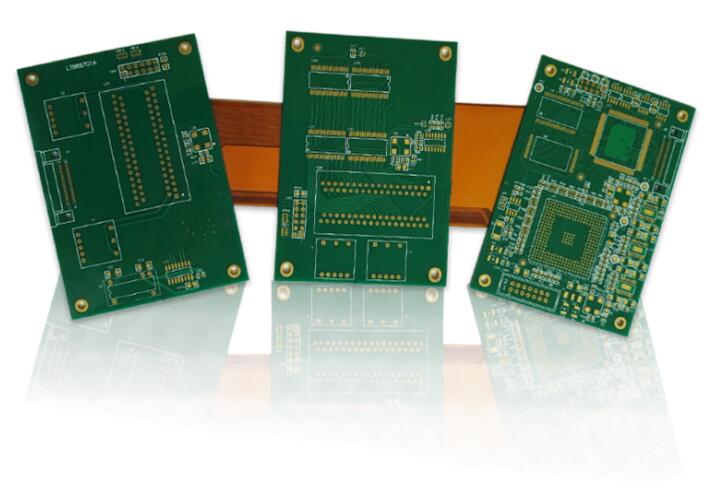
Small Volume SMT Assembly from Quotation to Shipment A development team that has finished a design needs boards assembled in tens or hundreds rather than thousands. Small volume smt work is organised differently from mass production, and knowing the sequence removes most of the delay from a first order. What…
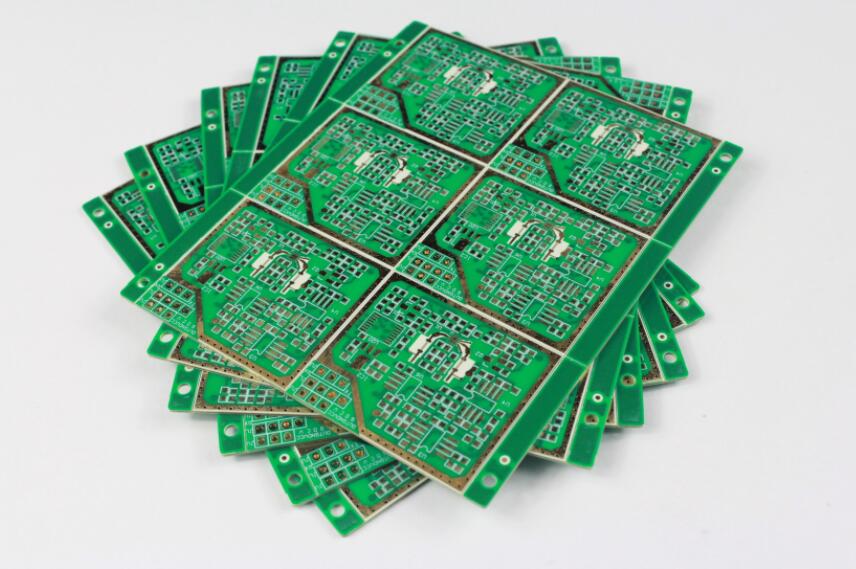
Set Top Box Mainboard Design With GPS Positioning A set top box that reports its own position combines a video platform with a radio receiver, and the two have to share one board without interfering. Set top box mainboard design in this case is mostly a question of where the…
Humidity Testing and Damp Heat for Electronic Assemblies Water is the most common cause of long term electronic failure, and it rarely arrives as an obvious splash. A thin adsorbed film, a slow condensation cycle, or a residue that becomes conductive when the air turns humid are all enough to…
PCB Acceptance Classes 1, 2 And 3 Explained Fabrication and assembly standards divide products into three classes, and the class is a statement about the consequences of failure rather than a general comment on quality. A class one product is one where a failure is not a hazard and the…
PCB Twist Measurement: One Corner Off the Table Modern electronics depend on boards that are assembled correctly the first time. Every product – a phone, a charger, a medical instrument or an industrial controller – relies on thousands of solder joints that must conduct current for years. This article explains…
Copper Balance And Etch Uniformity On Inner Layers An inner layer is not etched as a collection of individual traces. The whole panel passes through the etcher at once, and the etchant removes copper at a rate that depends on how much copper it has to dissolve in each area.…
Battery Cell Balancing Circuit Design A series string of cells can only deliver as much as its weakest member, and the members drift apart with every cycle. Balancing is the function that keeps them together, and it is one of several jobs a battery management board performs. Why Cells Drift…
Thermal Shock Testing for PCB Assemblies Explained An assembly that works perfectly on a bench may still fail after a few hundred temperature swings, because the materials it is built from expand and contract by different amounts. Thermal shock testing exists to compress years of that behaviour into weeks, and…
PCB Warpage After Reflow: Bending in the Oven Modern electronics depend on boards that are assembled correctly the first time. Every product – a phone, a charger, a medical instrument or an industrial controller – relies on thousands of solder joints that must conduct current for years. This article explains…
PCB Connector Alignment: Finding the Mating Face Electronics manufacturing has become a discipline of small details. Solder paste volumes, placement accuracy, temperature profiles and inspection limits all add up to the final result. This guide looks at PCB connector alignment from the perspective of a PCBA factory floor, covering aligning…