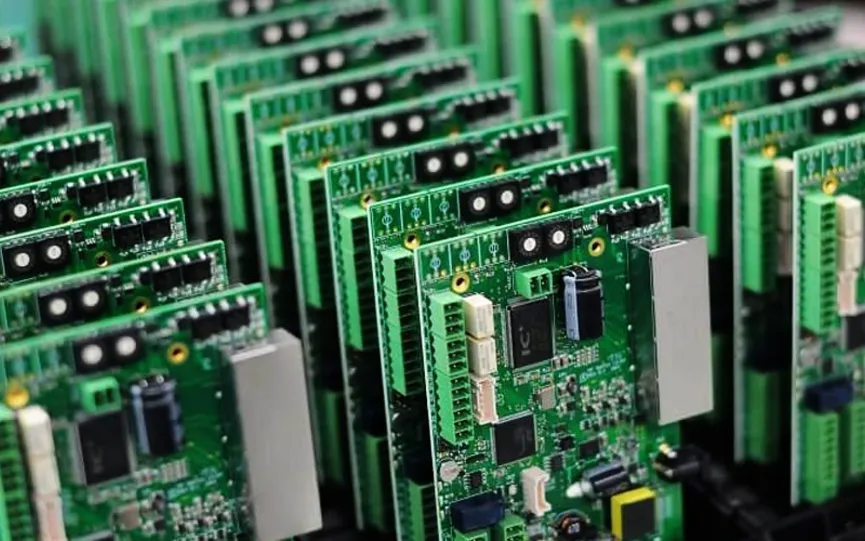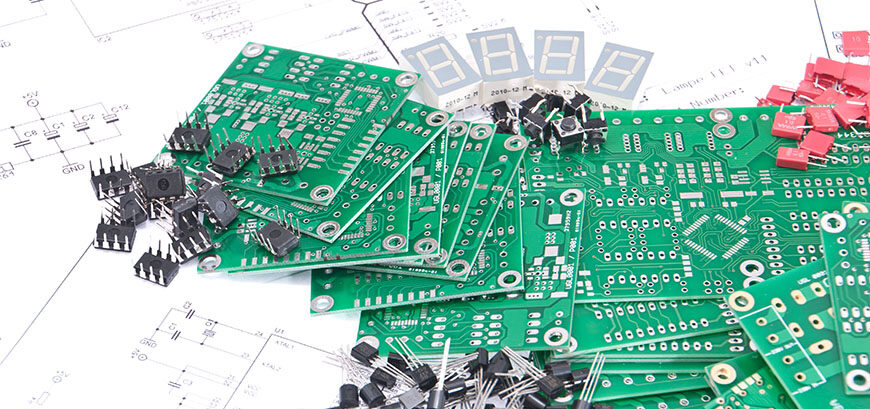
PCB Final Rinse Water Quality: The Last Wash Modern electronics depend on boards that are assembled correctly the first time. Every product – a phone, a charger, a medical instrument or an industrial controller – relies on thousands of solder joints that must conduct current for years. This article explains…
Thermal Shock and Thermal Cycling: Choosing the Right Test Two tests appear in almost every reliability plan, and they are frequently confused with each other. Thermal cycling and thermal shock both vary the temperature of an assembly, and they fail it by completely different mechanisms. The Physical Difference Thermal cycling…
BGA Warpage and Coplanarity in Reflow A ball grid array is soldered by joints the inspector cannot see, and the failure that matters most is a joint that never formed because the package and the board were not parallel when the solder was molten. Warpage in a Package A package…
Wire-to-Board Connector Assembly and Strain Relief Wire-to-board connections carry power and signals off the board, and they take abuse that no surface mount joint ever sees. Cables are pulled, bent and routed by installers, and every one of those actions loads the termination. A connection that passes electrical test on…
PCB Legend Print Quality: Reading the Board Modern electronics depend on boards that are assembled correctly the first time. Every product – a phone, a charger, a medical instrument or an industrial controller – relies on thousands of solder joints that must conduct current for years. This article explains PCB…
No-Clean Flux Residue: Deciding When to Wash a Board No-clean flux is named for what it allows you to skip, not for what it leaves behind. The residue stays on the board, and in most applications that is entirely acceptable. In others it is the beginning of a reliability problem…
Humidity and Condensation Testing of Assemblies An assembly that passes every electrical test in a dry laboratory can fail in a humid climate, and the failure will be attributed to the environment rather than to the design. Humidity testing exists to make that failure appear in the laboratory, where it…
Double-Sided Assembly: Second Side Reflow, Support and Weight A board with parts on both sides passes through the reflow oven twice. The second pass heats an assembly that already contains molten joints on the other side, and that changes almost every process decision. What the Second Pass Does to the…
PCB Etch Compensation Rules: Drawing for the Process Buyers and engineers often focus on the finished product and forget the production line behind it. In practice, most field failures can be traced back to process decisions made during assembly. Understanding PCB etch compensation rules gives you a practical advantage when…
PCB Developer Concentration Control: Holding the Strength Electronics manufacturing has become a discipline of small details. Solder paste volumes, placement accuracy, temperature profiles and inspection limits all add up to the final result. This guide looks at PCB developer concentration control from the perspective of a PCBA factory floor, covering…