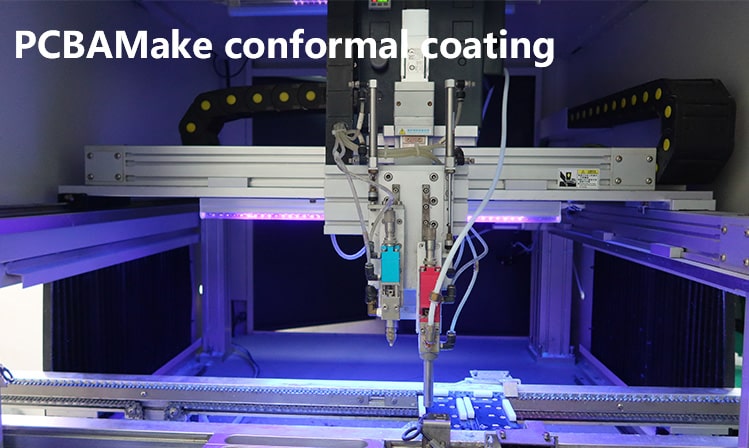
PCB Factory Automation: Robots on the Production Line Board fabrication and assembly have been automated for decades in the process itself, while the movement of material between those processes remained manual. That is where factory automation is now concentrated, and it is changing how a board shop is laid out,…

PCB Annular Ring Calculation: The Copper Around the Hole Electronics manufacturing has become a discipline of small details. Solder paste volumes, placement accuracy, temperature profiles and inspection limits all add up to the final result. This guide looks at PCB annular ring calculation from the perspective of a PCBA factory…
Compliant Pin Joints: Hole Size, Insertion Force and Reliability A compliant pin joint is made by pushing a shaped pin into a plated hole, where the pin deforms elastically and the resulting spring force holds it against the barrel wall. Nothing is soldered, nothing is heated, and the connection depends…
Metal Core Board For A High Voltage Linear Amplifier A linear power amplifier that has to deliver ten amps at two hundred volts is a thermal design problem before it is anything else. Unlike a switching amplifier, it does not convert the surplus energy into a waveform with high efficiency;…
Step Stencil Design for Mixed Paste Volumes on a PCB A board rarely needs the same paste volume everywhere. A power component may want a thick deposit for a strong fillet, while a fine pitch package on the same panel needs a thin one to avoid bridging. A single foil…
PCB Soldermask Registration: Lining Up the Openings Buyers and engineers often focus on the finished product and forget the production line behind it. In practice, most field failures can be traced back to process decisions made during assembly. Understanding PCB soldermask registration gives you a practical advantage when you choose…
PCB Trace Width Tolerance: How Wide Is Wide Modern electronics depend on boards that are assembled correctly the first time. Every product – a phone, a charger, a medical instrument or an industrial controller – relies on thousands of solder joints that must conduct current for years. This article explains…
PCB Etch Factor Explained: Under the Resist Electronics manufacturing has become a discipline of small details. Solder paste volumes, placement accuracy, temperature profiles and inspection limits all add up to the final result. This guide looks at PCB etch factor explained from the perspective of a PCBA factory floor, covering…
Heatsinks and Thermal Interface Materials: Selection and Attachment A heatsink is only as good as the interface between it and the component. The interface is a thin layer of material that exists to fill the microscopic gaps between two surfaces that are never as flat as they look, and its…
Traceability Marking: 2D Codes, Serialisation and Read Rate A board that carries a serial number and a two dimensional code can be traced from the panel it was cut from to the customer that received it. The marking is a small part of the cost and the enabler of everything…