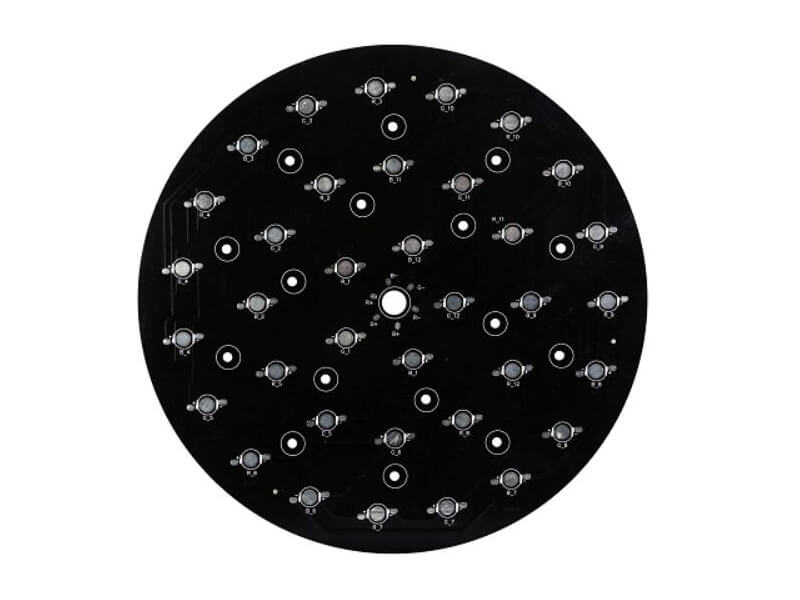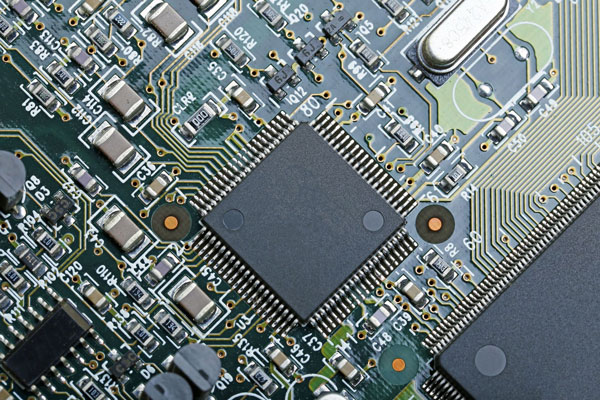
PCB Metal Core LED Board: Aluminium Under the Light Buyers and engineers often focus on the finished product and forget the production line behind it. In practice, most field failures can be traced back to process decisions made during assembly. Understanding PCB metal core LED board gives you a practical…
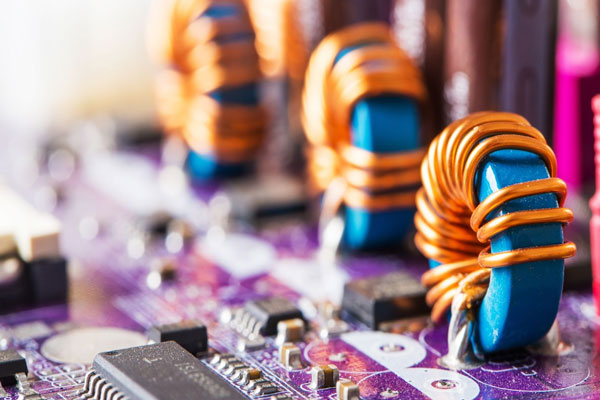
PCB Embedded Inductor: A Coil in the Layers Modern electronics depend on boards that are assembled correctly the first time. Every product – a phone, a charger, a medical instrument or an industrial controller – relies on thousands of solder joints that must conduct current for years. This article explains…
PCB Embedded Capacitor: Capacity Inside the Board Electronics manufacturing has become a discipline of small details. Solder paste volumes, placement accuracy, temperature profiles and inspection limits all add up to the final result. This guide looks at PCB embedded capacitor from the perspective of a PCBA factory floor, covering embedding…
PCB Flex Shield Design: Shielding Something That Moves Modern electronics depend on boards that are assembled correctly the first time. Every product – a phone, a charger, a medical instrument or an industrial controller – relies on thousands of solder joints that must conduct current for years. This article explains…
Ceramic PCB Materials: Alumina, AlN and Their Applications Ceramic substrates are used where the electrical and the thermal requirements cannot both be met by an organic laminate. They offer a dielectric constant that does not drift, a thermal conductivity that an epoxy cannot approach and a coefficient of thermal expansion…
PCB Flex Antenna Design: An Aerial That Bends Buyers and engineers often focus on the finished product and forget the production line behind it. In practice, most field failures can be traced back to process decisions made during assembly. Understanding PCB flex antenna design gives you a practical advantage when…
Immersion Silver PCB Finish: Solderability and Tarnish Immersion silver deposits a thin layer of silver onto the copper by a displacement reaction, the same principle that puts gold on an electroless nickel layer. The result is a flat, solderable finish with excellent electrical properties and a cost between the organic…
How to Tell How Many Layers a PCB Has Knowing how many layers a board contains matters more often than it sounds. It determines whether a design can be copied, whether a repair is feasible, and whether a supplier’s quotation is credible. Fortunately the layer count can usually be established…
Glass Core PCB versus Metal Core PCB: How to Choose Two board constructions are used when an ordinary laminate cannot carry the heat or hold the dimensions demanded by the application. A metal core PCB puts an aluminium or copper base under an organic dielectric, while a glass core PCB…
PCB Manufacturing Process: From Gerber to Finished Board A circuit board passes through dozens of controlled steps between the design file and the finished panel, and most of them cannot be verified by inspecting the final product. Understanding the sequence helps a designer see which of their decisions are easy…