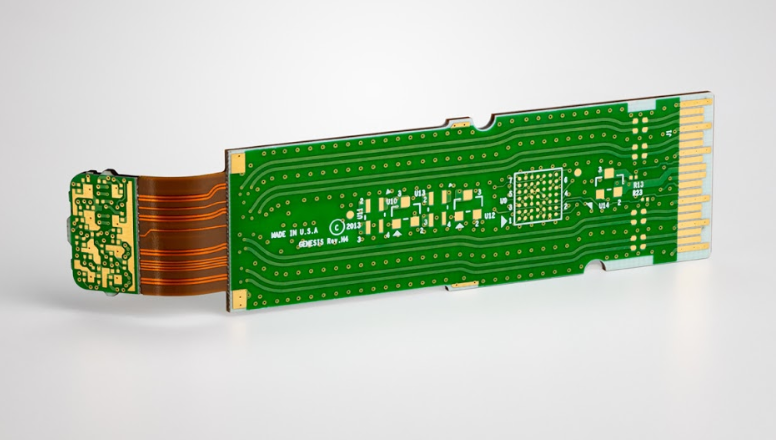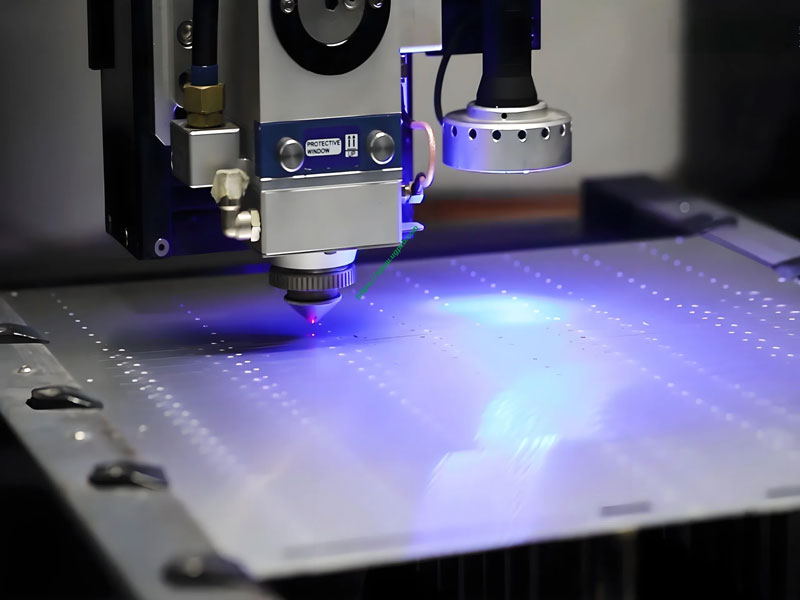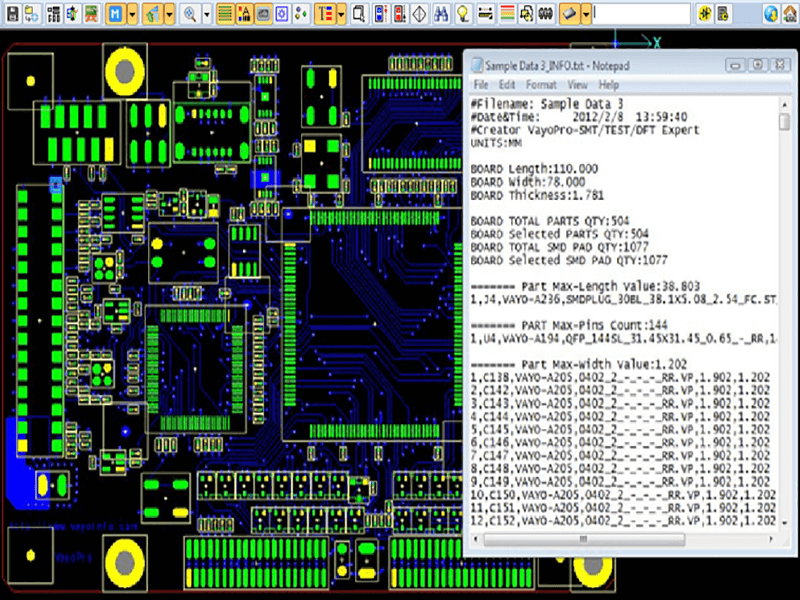
FPC ENIG Surface Finish: Electroless Nickel Immersion Gold in SMT Soldering Flexible circuits rarely fail because the copper itself gives up. They fail at the interface, where a thin stack of nickel and gold has to survive reflow, repeated bending and years of thermal cycling. FPC ENIG, the finish most…
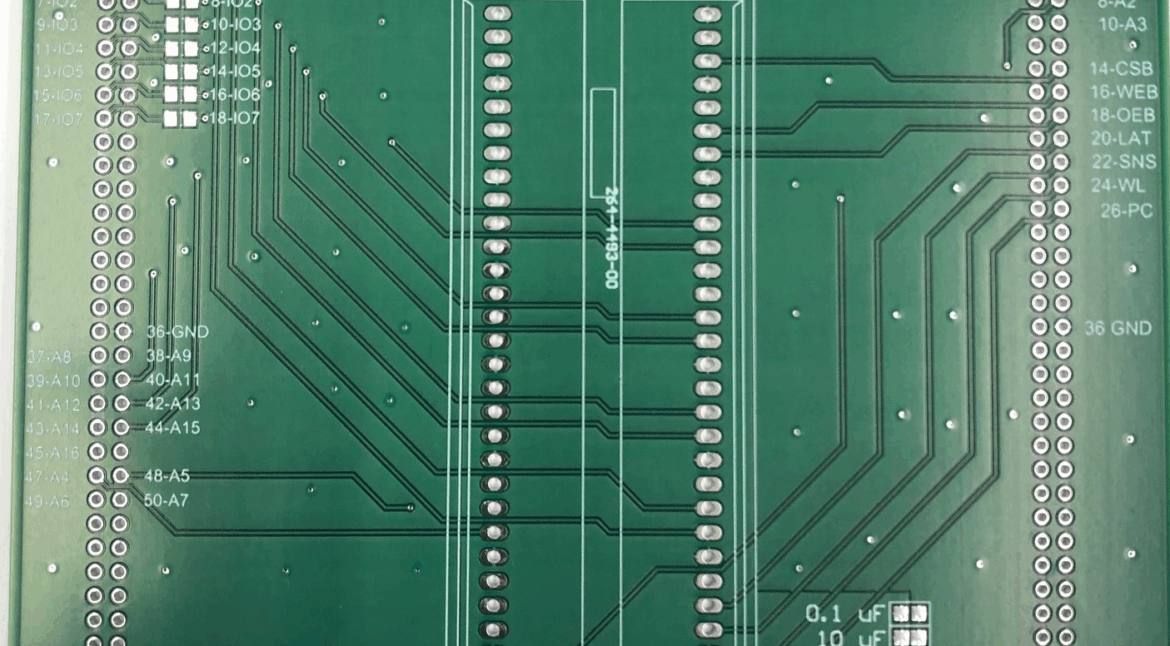
Switching Regulator PCB Layout: Loops, Grounding and Checks A switching regulator is a small circuit with a large appetite for current, and the layout decides whether that current stays where it was planned or sprays across the board. The electrical design can be textbook correct and the prototype still fail,…
COB LED vs SMD LED: Chip-on-Board Packaging and Thermal Design Two LED products can emit the same number of lumens and still behave nothing alike on a board. A COB LED bonds many dies directly to the substrate, while an SMD LED packages each die in its own housing and…
PCB Design Mistakes That Stop a Prototype at CAM When a prototype comes back late, the cause is usually not the fabricator. It is the data. A layout that passes every check inside the CAD tool can still stop at CAM, because the checks in the tool model the schematic…
Ceramic Substrate Manufacturing: Dry Pressing, Tape Casting and Metallization Ceramic substrates solve a problem that no polymer laminate can solve: they conduct heat well, hold their dimensions at temperatures that would destroy FR4, and stay electrically insulating while doing it. The trade is that they cannot be made with the…
PCB QFN Rework: Removing a Part With No Leads Modern electronics depend on boards that are assembled correctly the first time. Every product – a phone, a charger, a medical instrument or an industrial controller – relies on thousands of solder joints that must conduct current for years. This article…
Multilayer PCB Manufacturing Challenges: Registration, Lamination and Drilling A ten layer board is not simply a four layer board with more copper. Every layer added multiplies the number of interfaces that can move relative to one another, and it lengthens the process chain that each panel must survive. Multilayer PCB…
PCB Hand Soldering Temperature: How Hot the Tip Should Be Modern electronics depend on boards that are assembled correctly the first time. Every product – a phone, a charger, a medical instrument or an industrial controller – relies on thousands of solder joints that must conduct current for years. This…
PCB Soldering Iron Tip Selection: The Shape That Fits the Joint Electronics manufacturing has become a discipline of small details. Solder paste volumes, placement accuracy, temperature profiles and inspection limits all add up to the final result. This guide looks at PCB soldering iron tip selection from the perspective of…
PCB Flux Pen Use in Rework: A Little Flux Where Needed Buyers and engineers often focus on the finished product and forget the production line behind it. In practice, most field failures can be traced back to process decisions made during assembly. Understanding PCB flux pen use in rework gives…