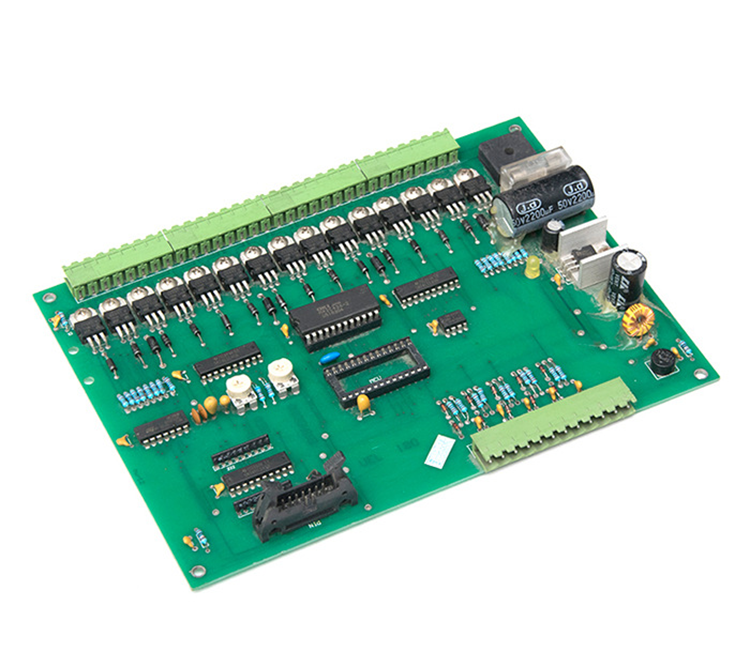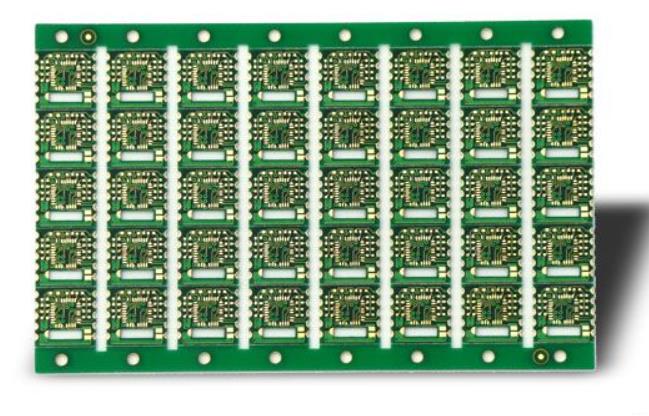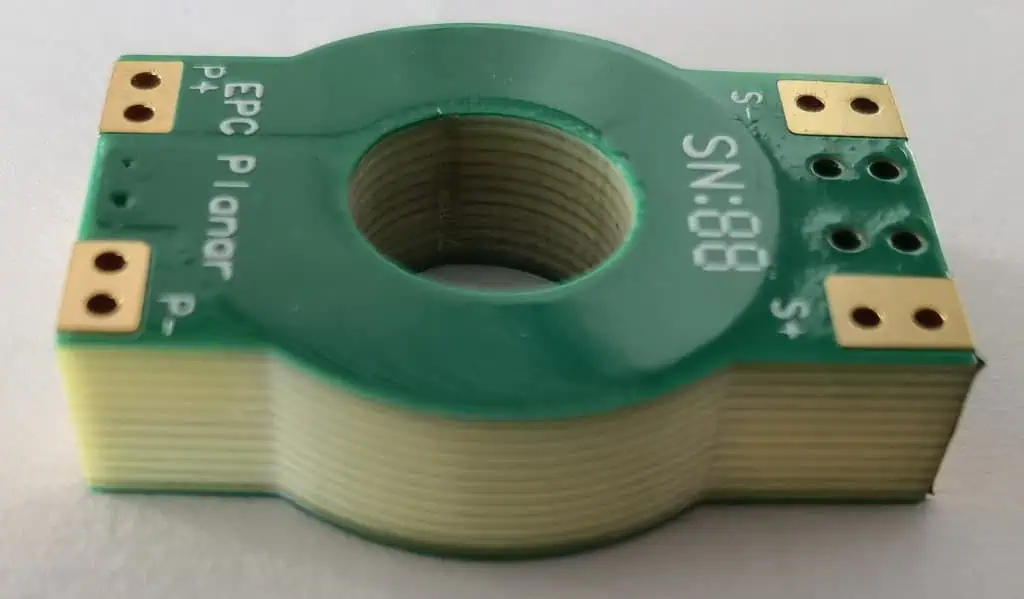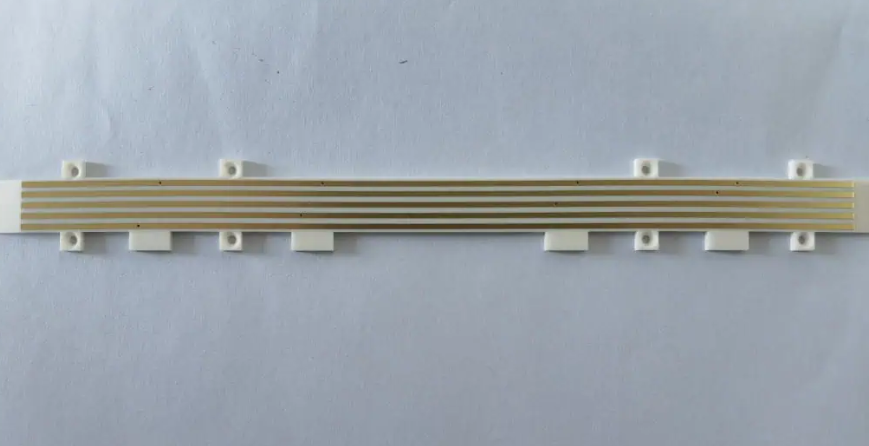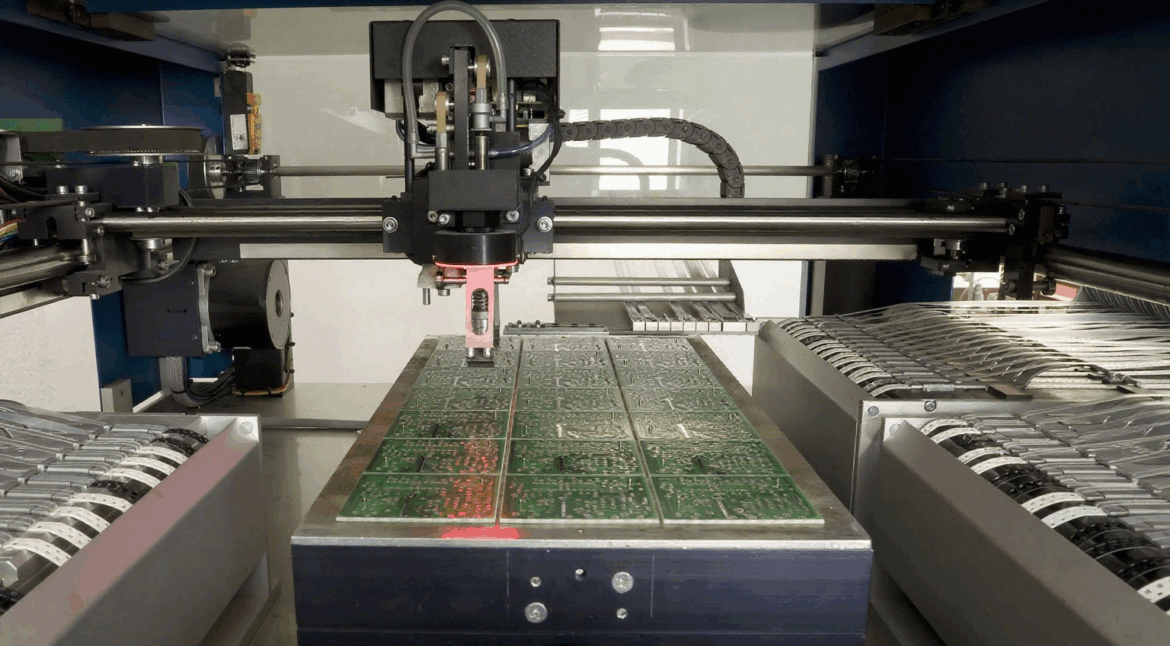
Flexible and Rigid PCB: Where the Difference Actually Matters Ask ten engineers to describe the difference between a flexible circuit board and a rigid one and most will say flexibility, then stop. That answer hides the parts that actually change a design review. A flexible board is not a rigid…
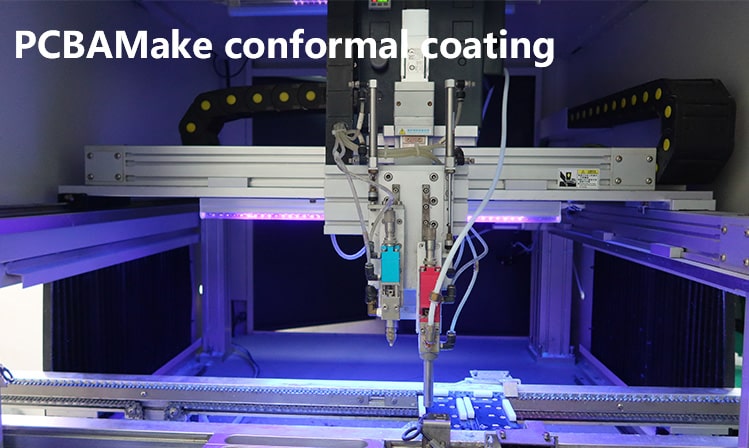
PCB Overvoltage Crowbar: Shutting the Rail Down Electronics manufacturing has become a discipline of small details. Solder paste volumes, placement accuracy, temperature profiles and inspection limits all add up to the final result. This guide looks at PCB overvoltage crowbar from the perspective of a PCBA factory floor, covering adding…
PCB Inrush Current Limiter: Taming the First Moment Buyers and engineers often focus on the finished product and forget the production line behind it. In practice, most field failures can be traced back to process decisions made during assembly. Understanding PCB inrush current limiter gives you a practical advantage when…
PCB ESD Diode Placement: Next to the Connector Modern electronics depend on boards that are assembled correctly the first time. Every product – a phone, a charger, a medical instrument or an industrial controller – relies on thousands of solder joints that must conduct current for years. This article explains…
PCB Lightning Surge Test: A Strike on the Line Electronics manufacturing has become a discipline of small details. Solder paste volumes, placement accuracy, temperature profiles and inspection limits all add up to the final result. This guide looks at PCB lightning surge test from the perspective of a PCBA factory…
PCB Surge Protection Layout: A Path for the Spike Modern electronics depend on boards that are assembled correctly the first time. Every product – a phone, a charger, a medical instrument or an industrial controller – relies on thousands of solder joints that must conduct current for years. This article…
Carbon Ink and Carbon Film PCB: Which to Specify Carbon on a printed circuit board does two jobs that copper cannot do cheaply. It provides a wear resistant surface for a membrane switch or a keypad contact, and it forms a resistor of a defined value without adding a component.…
How Via Plugging and Tenting Differ: Materials and Defects Vias are plugged for two reasons that rarely appear together in the same documentation: to keep solder and flux out of an open barrel during assembly, and to create a flat surface on which a component can be placed. The first…
PTFE PCB and Ceramic PCB: Choosing by Dk, Loss and Heat Two substrate families dominate the top of the circuit board market, and they are chosen for different reasons. A PTFE board is chosen for its electrical behaviour: a low dielectric constant, a very low loss and a stable response…
Satellite PCB vs Aerospace PCB: Requirements Compared Satellite and aerospace electronics are often treated as one category in procurement, and they share a reliability class, a documentation culture and several materials. They are not the same requirement, though. An avionics board can be removed at the next maintenance interval; a…