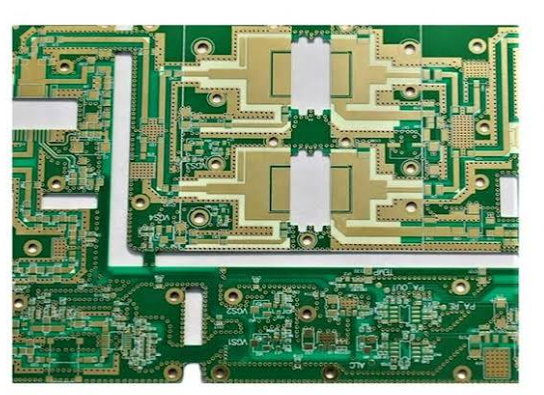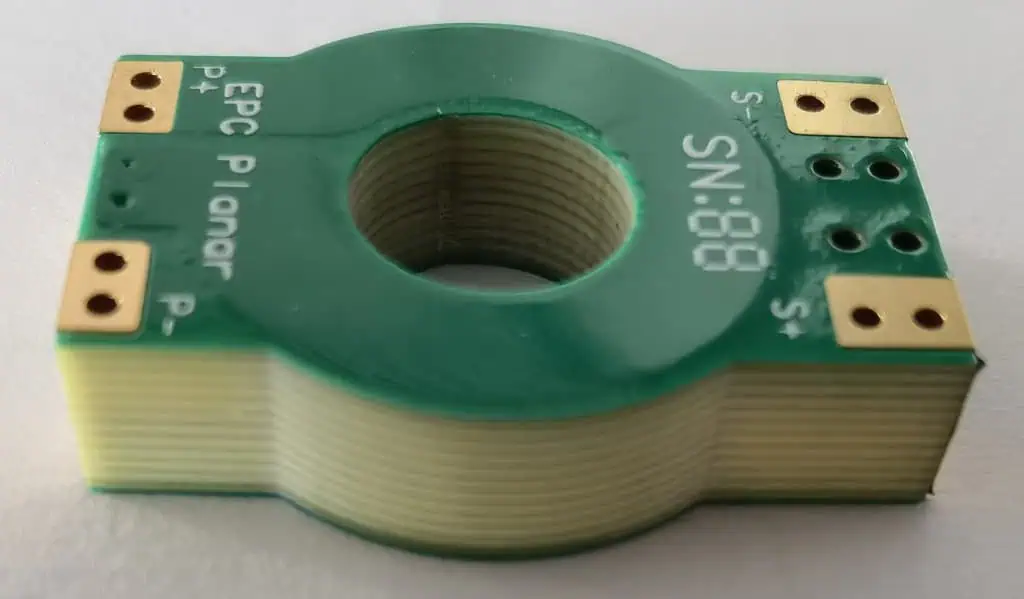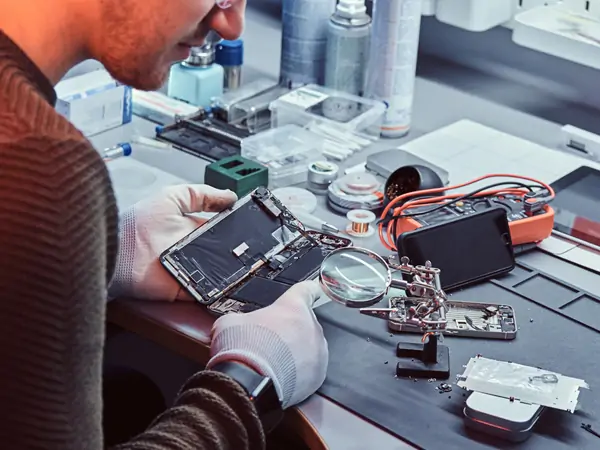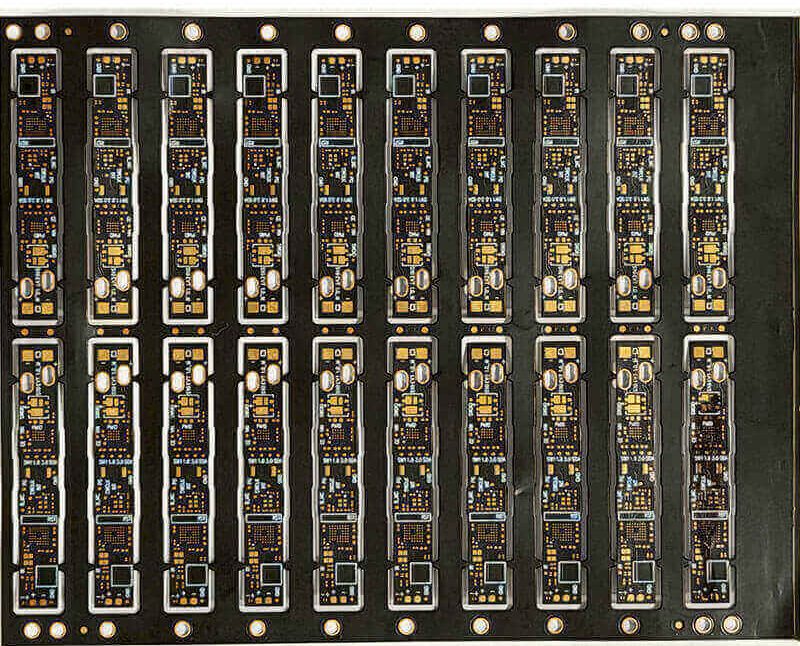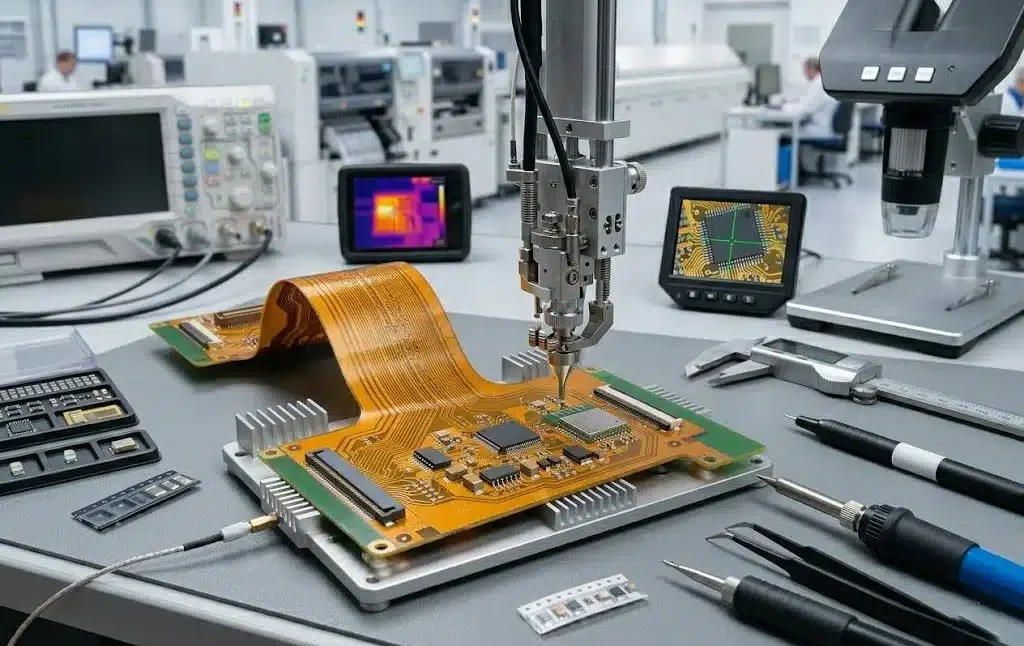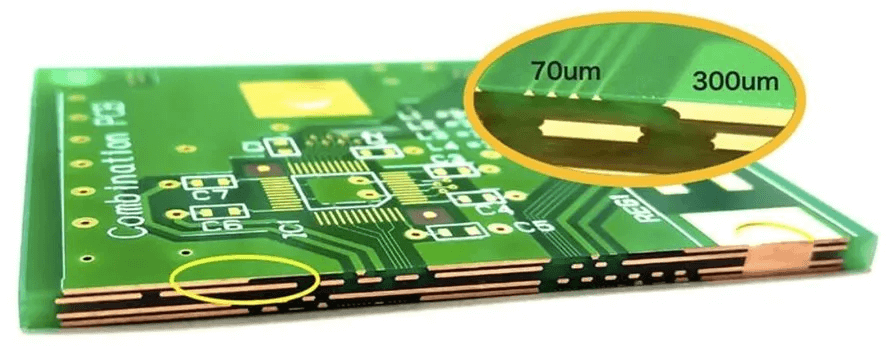
Rigid-Flex Design: Bend Radius and Layers What Makes Rigid-Flex Different A rigid-flex board is a single construction that contains both rigid sections with multiple copper layers and a flexible section that bends. The layers are continuous across the boundary, so the flexible area is made of the same stack as…
SMT Stencil Aperture Shape: The Cut in the Foil Modern electronics depend on boards that are assembled correctly the first time. Every product – a phone, a charger, a medical instrument or an industrial controller – relies on thousands of solder joints that must conduct current for years. This article…
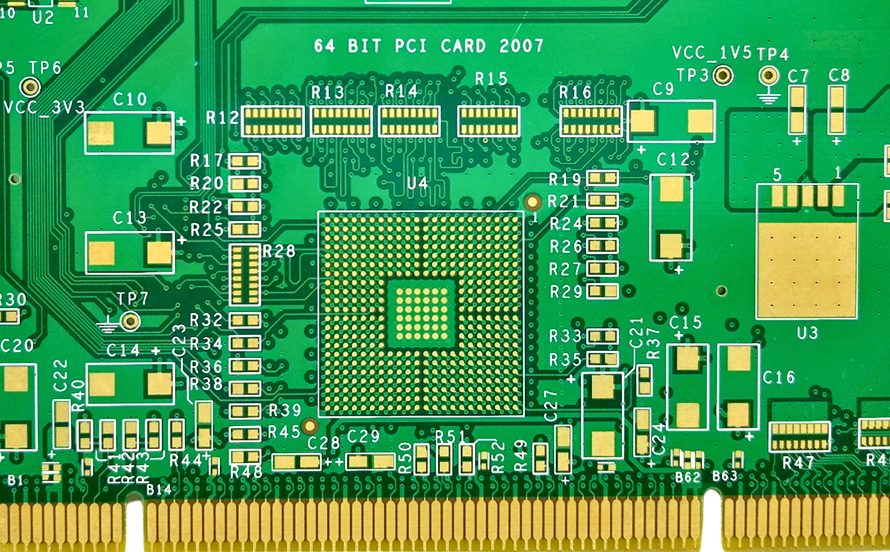
BGA Fanout and Escape Routing The Escape Problem A ball grid array presents its connections on a grid of pads, and only the outermost row is directly accessible. Every other ball has to reach the rest of the board through a via, and those vias have to be placed without…
Solder Voids in Thermal and BGA Joints What a Void Is A void is a cavity inside a solder joint, filled with gas or with a vacuum, where solder should be. It appears in an X-ray image as a lighter region inside a dark joint because there is less material…
PCB Copper Trace Impedance Matching: From Prototype to Volume Production Buyers and engineers often focus on the finished product and forget the production line behind it. In practice, most field failures can be traced back to process decisions made during assembly. Understanding PCB copper trace impedance matching gives you a…
Impedance Tolerance: What to Specify What the Tolerance Applies To An impedance specification is meaningless until it says which impedance, measured where and over what frequency. A single line has a characteristic impedance that varies along its length because the dielectric thickness and the trace width vary, and a differential…
Laser Drilling Microvias: Parameters and Limits Why Laser Instead of Mechanical A mechanical drill below about 0.15 mm is impractical: the bit is fragile, the spindle speed needed to keep the surface speed reasonable becomes extreme, and the drill tends to wander. A laser removes material without contact, so the…
SMT Reflow Solder Joint Intermetallic: The Layer Between Metals Buyers and engineers often focus on the finished product and forget the production line behind it. In practice, most field failures can be traced back to process decisions made during assembly. Understanding SMT reflow solder joint intermetallic gives you a practical…
Silkscreen and Solder Mask: What Each Layer Does Two Different Layers The solder mask and the silkscreen are both printed onto the surface of a board and they are often drawn on the same screen by a designer, but they do completely different jobs. The solder mask is a permanent…
PCB Surface Finish Wire Bond: A Finish That Takes a Bond Electronics manufacturing has become a discipline of small details. Solder paste volumes, placement accuracy, temperature profiles and inspection limits all add up to the final result. This guide looks at PCB surface finish wire bond from the perspective of…