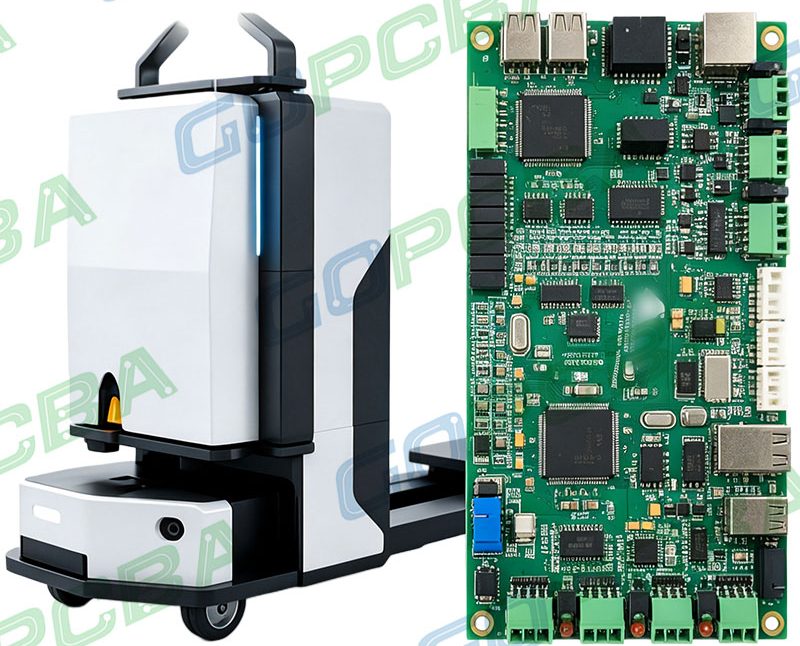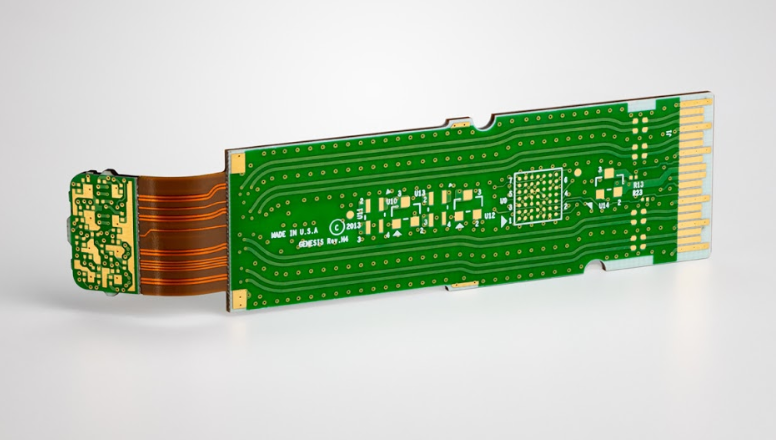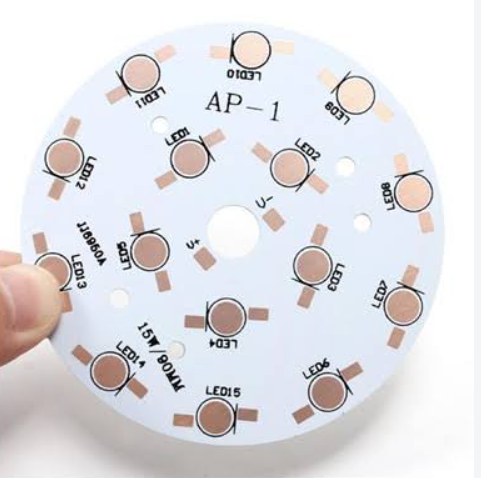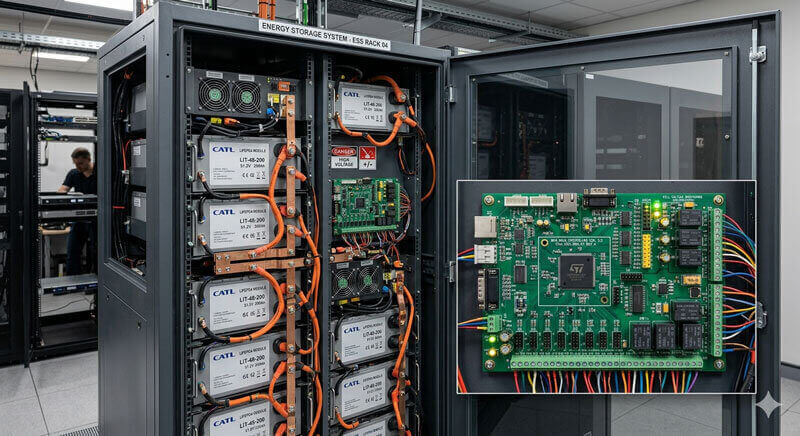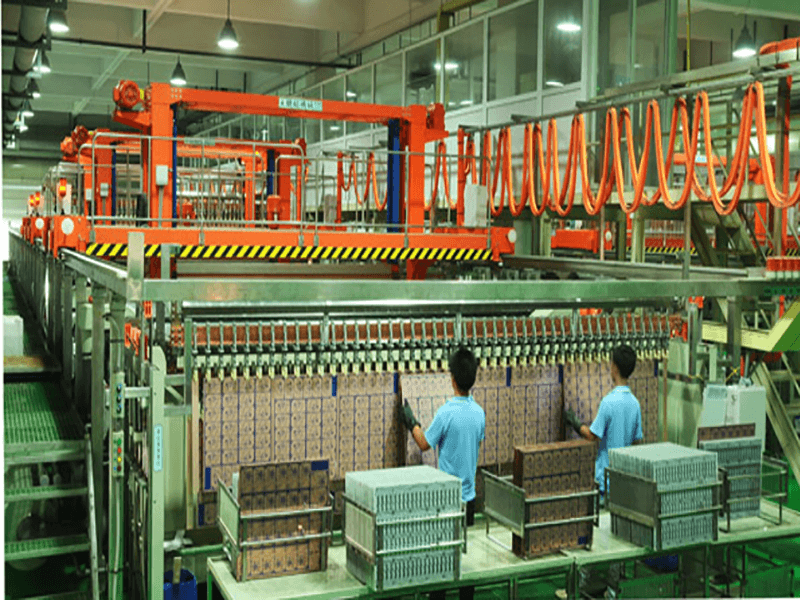
Drone Mainboard vs Flight Controller PCB: What Is the Difference? Two Boards with Very Different Jobs In a drone the electronics are usually split between a flight controller and a mainboard, and the two are designed with opposite priorities. The flight controller exists to keep the aircraft stable, which means…
SMT Reflow Solder Joint Porosity: The Pores in the Solder Buyers and engineers often focus on the finished product and forget the production line behind it. In practice, most field failures can be traced back to process decisions made during assembly. Understanding SMT reflow solder joint porosity gives you a…
PCB Assembly vs Box Build: What Is the Difference? Two Levels of Service PCB assembly and box build are often quoted together, but they describe different scopes of work. PCB assembly produces a populated circuit board. Box build takes that board, or several of them, and turns it into a…
PCB Surface Finish Tin: A Simple Tin Finish Electronics manufacturing has become a discipline of small details. Solder paste volumes, placement accuracy, temperature profiles and inspection limits all add up to the final result. This guide looks at PCB surface finish tin from the perspective of a PCBA factory floor,…
BT Resin vs ABF Substrate: Materials Compared Two Names, Two Different Things BT resin and ABF are often compared as if they were competing substrate materials, but they play different roles. BT resin is a core material, the rigid sheet that gives a substrate its mechanical backbone. ABF, which stands…
SMT Component Fiducial Mark: The Mark the Machine Reads Electronics manufacturing has become a discipline of small details. Solder paste volumes, placement accuracy, temperature profiles and inspection limits all add up to the final result. This guide looks at SMT component fiducial mark from the perspective of a PCBA factory…
IC Substrate vs PCB: Structure, Materials and Manufacturing Two Boards, Two Jobs An IC substrate and a printed circuit board look similar from a distance: both are laminates with copper layers, vias and solder resist. In practice they operate at completely different scales. A PCB carries components between one another…
PCB Teardrops: Complete Guide to Design and Benefits What a Teardrop Is A teardrop is a small fillet of copper that widens the junction where a trace meets a pad or a via. Instead of a trace of constant width arriving at a round pad at a sharp angle, the…
PCB Via Thermal Pad: Moving Heat Through the Board Modern electronics depend on boards that are assembled correctly the first time. Every product – a phone, a charger, a medical instrument or an industrial controller – relies on thousands of solder joints that must conduct current for years. This article…
Smart Speaker PCB: Design, Cost and Manufacturing Guide What the Board Has to Do A smart speaker packs a surprising amount of conflicting electronics into a small space. It has a processor running voice recognition, an array of microphones listening for a wake word, a class D amplifier driving a…