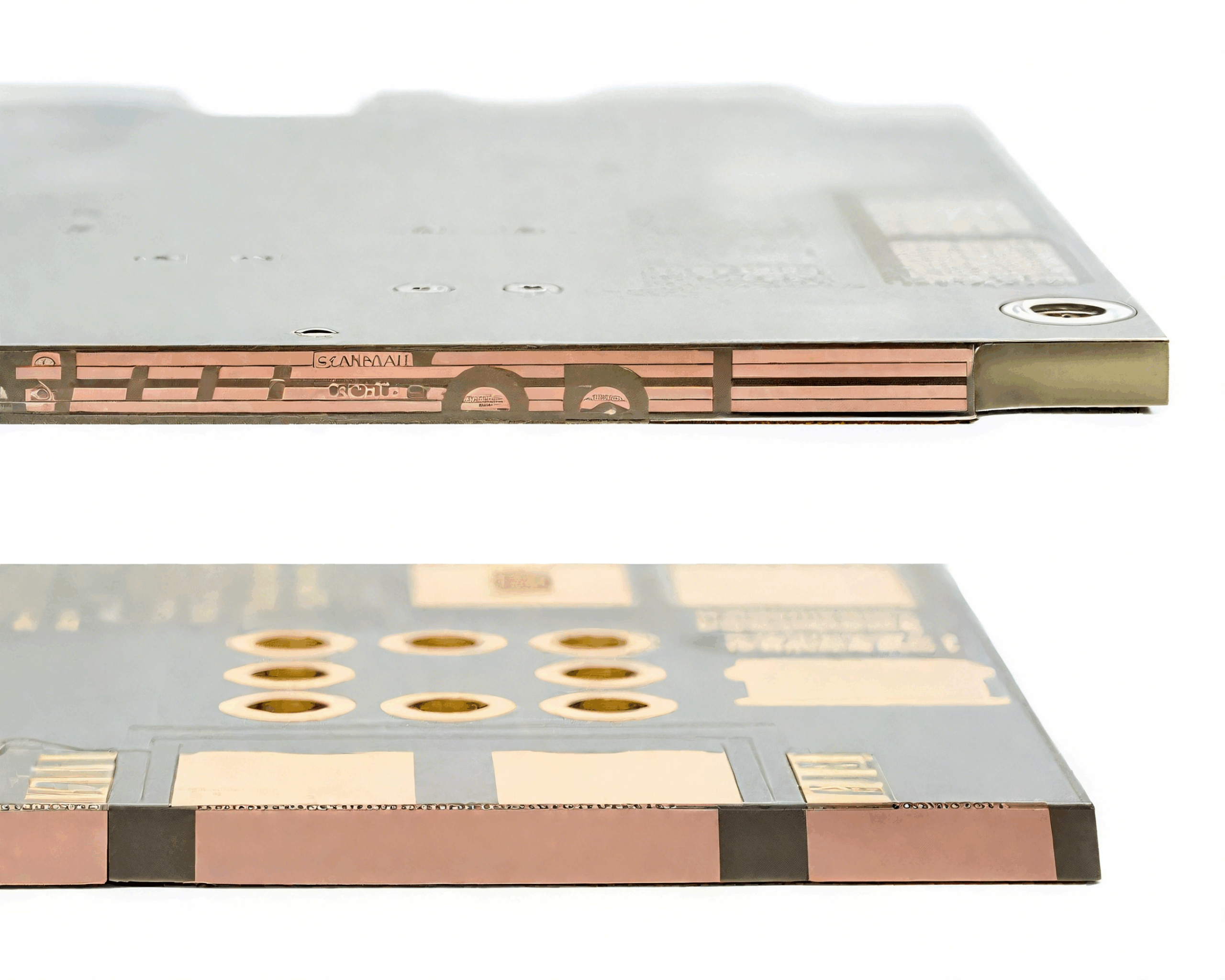
In the fast-evolving world of electronics, performance and reliability are paramount. High-power applications, such as power supplies, electric vehicles, industrial machinery, and RF amplifiers, place extreme demands on printed circuit boards (PCBs). Traditional PCBs often struggle to cope with these requirements, which is where heavy copper PCBs come into play.…
In the fast-evolving world of wireless communication, 5G networks, radar systems, satellite communications, and high-speed data links are pushing electronic designs to new limits. At the heart of these applications lies a critical choice: the substrate material. While standard FR-4 materials suffice for many conventional PCBs, they often fall short…
In the world of PCB manufacturing, surface finishes play a critical role in ensuring solderability, long-term reliability, and overall performance of electronic assemblies. Choosing the right finish is a key decision for designers and manufacturers alike, as it affects not only assembly processes but also product longevity. This article compares…
Copper Thickness (Copper Weight) is a highly important parameter in PCB design and manufacturing, exerting multifaceted influence on the performance and reliability of the final product. In simple terms, copper thickness refers to the thickness of the copper layer on a PCB and is typically expressed in ounces (oz). A…