The global demand for PCB manufacturing and PCBA assembly continues to increase as artificial intelligence, data centers, electric vehicles, industrial automation, telecommunications, medical electronics, and smart devices drive the development of increasingly sophisticated electronic products.
For overseas buyers, selecting the right China PCB manufacturer is about much more than finding the lowest quotation. Manufacturing capabilities, engineering expertise, quality management, component sourcing, production flexibility, lead time, and communication all play an important role in determining the success of an electronics project.
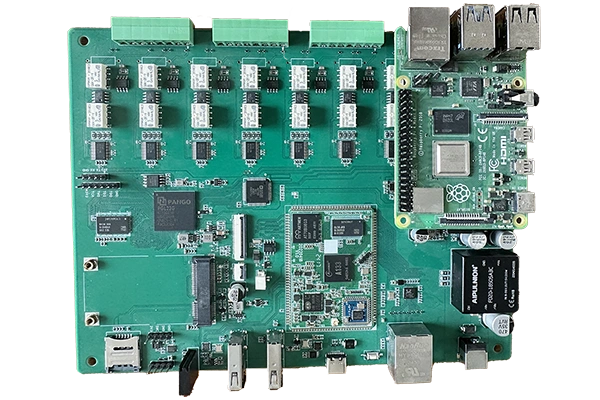
China has established one of the world’s most comprehensive electronics manufacturing ecosystems. Its mature supply chain, experienced engineering workforce, advanced manufacturing equipment, extensive component resources, and competitive production costs make China an important sourcing destination for PCB and PCBA projects.
However, not every supplier is suitable for every application. A company developing a new electronic product may need PCB prototyping, while an established OEM may require stable high-volume production. Other customers may need a complete turnkey PCBA service, including PCB fabrication, component procurement, SMT assembly, testing, and final delivery.
This is where an experienced one-stop manufacturing partner can provide significant value.
Kingda provides integrated PCB manufacturing and PCBA solutions, supporting customers from prototype development and bare-board fabrication through component sourcing, PCB assembly, inspection, testing, and production. By coordinating multiple manufacturing stages through one supply chain, Kingda helps customers reduce procurement complexity, improve production efficiency, and accelerate time to market.
Why Choose a China PCB Manufacturer?
China has developed a mature electronics manufacturing ecosystem supported by PCB material suppliers, electronic component distributors, PCB fabrication facilities, SMT assembly companies, testing providers, and logistics networks.
This ecosystem provides several important advantages for international customers.
Competitive Manufacturing Costs
One of the main reasons companies choose a PCB manufacturer in China is cost efficiency.
Large-scale manufacturing infrastructure, mature supply chains, experienced production teams, and optimized manufacturing processes allow Chinese suppliers to offer competitive pricing while maintaining consistent production quality.
However, the lowest unit price does not necessarily mean the lowest overall project cost.
A professional buyer should consider the complete manufacturing cost, including:
- PCB fabrication
- Tooling and engineering charges
- Component procurement
- PCB assembly
- Testing
- Packaging
- Shipping
- Rework and potential quality costs
A supplier that provides integrated manufacturing can often reduce the hidden costs associated with coordinating multiple vendors.
Complete PCB and PCBA Supply Chains
China’s electronics manufacturing industry provides access to a wide range of materials, components, manufacturing technologies, and supporting services.
An experienced supplier can coordinate:
- PCB fabrication
- PCB prototyping
- SMT assembly
- Through-hole assembly
- Component sourcing
- BGA assembly
- AOI inspection
- X-ray inspection
- ICT and functional testing
- Final assembly
- Packaging and logistics
For overseas customers, consolidating these processes through one supplier can simplify communication and improve supply-chain visibility.
Flexible Production Capacity
Electronics projects can move through several manufacturing stages, from an initial prototype to engineering samples, small-batch production, and eventually mass production.
A capable PCB and PCBA manufacturer should therefore be able to support different order volumes and production stages.
Kingda’s integrated manufacturing model is designed to support customers throughout this development cycle, helping them transition from PCB prototype manufacturing to production without unnecessary supplier changes.
PCB Manufacturing vs. PCBA Manufacturing
Before choosing a supplier, it is important to understand the difference between PCB manufacturing and PCBA manufacturing.
What Is PCB Manufacturing?
PCB manufacturing refers to the production of the bare printed circuit board.
Depending on the design, the manufacturing process may include:
- Material preparation
- Inner-layer imaging
- Etching
- Lamination
- CNC or laser drilling
- Copper plating
- Outer-layer imaging
- Solder mask application
- Surface finishing
- Electrical testing
- Final inspection
The final product is a bare PCB without electronic components.
What Is PCBA Manufacturing?
PCBA manufacturing takes the bare PCB and mounts electronic components onto it to create a functional electronic assembly.
Typical processes include:
- Solder paste printing
- SMT component placement
- Reflow soldering
- Through-hole component insertion
- Wave or selective soldering
- AOI inspection
- X-ray inspection
- Electrical testing
- Functional testing
- Final inspection
Companies that need a finished electronic assembly can benefit from working with a supplier offering turnkey PCB assembly rather than purchasing the PCB and assembly services separately.
Kingda PCB Manufacturing and PCBA Services
Kingda provides an integrated manufacturing solution for customers looking for a reliable China PCB manufacturer and PCBA supplier.
The company supports different stages of electronics production, including PCB prototyping, PCB fabrication, component procurement, PCB assembly, inspection, testing, and production support.
PCB Prototype Manufacturing
PCB prototyping is an essential step in the development of electronic products.
Before committing to volume production, engineers need to verify whether the design works correctly in real-world conditions.
Prototype boards allow engineering teams to evaluate:
- Circuit functionality
- Component placement
- PCB dimensions
- Signal integrity
- Thermal performance
- Mechanical compatibility
- Assembly feasibility
- Manufacturing reliability
Kingda supports rapid PCB prototyping, allowing customers to validate designs and identify potential problems before entering larger production runs.
Early validation can significantly reduce the cost and risk of engineering changes later in the product development cycle.
PCB Assembly Services
For customers who require finished electronic assemblies, Kingda provides PCB assembly services covering different assembly requirements.
Depending on the project, PCB assembly may include:
- SMT assembly
- Through-hole assembly
- Mixed-technology assembly
- BGA assembly
- Fine-pitch component placement
- Component sourcing
- Soldering
- AOI inspection
- X-ray inspection
- Electrical testing
- Functional testing
This integrated approach allows customers to manage PCB fabrication and assembly through a coordinated manufacturing workflow.
Rapid PCB Prototyping for Faster Product Development
Development speed is increasingly important in today’s electronics industry.
Every additional supplier involved in a prototype can create another communication point and potential source of delay. Working with a supplier capable of handling PCB fabrication and assembly together can shorten the development cycle.
A streamlined rapid PCB prototyping workflow can follow this process:
Design → DFM Review → PCB Prototype → PCB Assembly → Inspection → Functional Testing → Design Optimization → Production
This process allows engineers to identify manufacturing or assembly problems before committing to high-volume production.
For startups, engineering teams, and established OEMs, rapid prototyping can provide a more efficient path from concept to commercial production.
One-Stop PCB and PCBA Manufacturing
A one-stop supplier can manage several manufacturing stages under a unified project workflow.
PCB Fabrication
The PCB is manufactured according to the customer’s Gerber files, fabrication drawings, stack-up requirements, material specifications, and electrical requirements.
Component Procurement
Components can be sourced according to the approved BOM and customer specifications.
Professional component sourcing helps reduce procurement complexity and can improve production continuity.
SMT Assembly
Automated SMT equipment places surface-mount components onto the PCB before the boards pass through a controlled reflow soldering process.
Through-Hole Assembly
Through-hole components are inserted and soldered when required by the circuit design.
Inspection and Testing
Depending on the project, inspection and testing can include:
- SPI
- AOI
- X-ray inspection
- ICT
- Flying probe testing
- Functional testing
Final Assembly
Completed PCB assemblies can be inspected, packaged, labeled, and prepared for shipment according to customer requirements.
This integrated approach helps reduce supplier coordination and provides customers with a more streamlined manufacturing experience.
Quality Control for PCB Manufacturing
Quality management is one of the most important factors when selecting a China PCB manufacturer.
A professional supplier should implement quality controls throughout the manufacturing process rather than relying only on final inspection.
Important quality-control stages include:
- Incoming material inspection
- PCB dimensional inspection
- Copper thickness verification
- Solder mask inspection
- Surface finish inspection
- Solder paste inspection
- AOI inspection
- X-ray inspection
- Electrical testing
- Functional testing
- Final visual inspection
For PCBA projects, component traceability and production documentation can also help improve manufacturing consistency and simplify quality analysis.
Kingda emphasizes process control and inspection throughout production to help ensure that PCB assemblies meet customer specifications and application requirements.
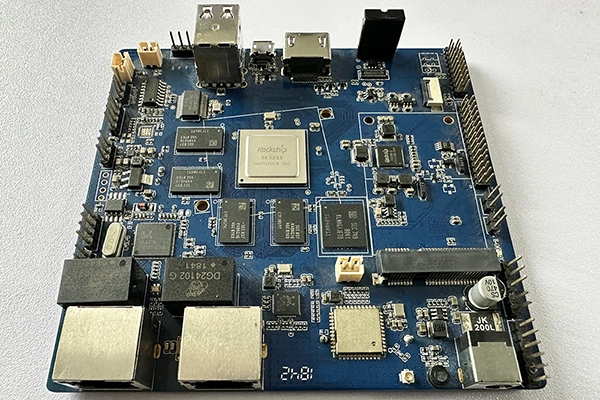
PCB Technologies Supported by Kingda
Different electronic products require different PCB technologies.
Depending on project requirements, customers may need:
- Multilayer PCB
- HDI PCB
- Rigid PCB
- Flexible PCB
- Rigid-flex PCB
- High-frequency PCB
- High-speed PCB
- Metal core PCB
- Fine-pitch PCB
- High-reliability PCB
Selecting a manufacturer with appropriate technical capabilities is particularly important for complex designs involving high-density routing, controlled impedance, high-speed signals, thermal management, or compact form factors.
Kingda can work with customers to evaluate PCB requirements and select suitable manufacturing processes and materials based on the intended application.
How to Choose the Right PCB Manufacturer in China
Choosing a China PCB supplier should be based on more than price.
Before placing an order, buyers should evaluate several important factors.
1. Define Your Project Requirements
Before requesting quotations, determine:
- Prototype or mass production
- PCB only or complete PCBA
- Number of layers
- Board dimensions
- Material requirements
- Surface finish
- Component requirements
- Required testing
- Expected annual volume
- Target lead time
Clear specifications help manufacturers provide more accurate quotations and production schedules.
2. Evaluate Manufacturing Capabilities
Make sure the supplier can manufacture the PCB technologies required by your project.
For advanced electronics, this may include HDI PCB, multilayer boards, flexible circuits, rigid-flex PCBs, high-frequency boards, or high-speed PCBs.
3. Check PCB Assembly Capabilities
If you require a complete PCBA, verify whether the supplier can support:
- SMT
- THT
- BGA
- Mixed assembly
- Component sourcing
- AOI
- X-ray
- ICT
- Functional testing
4. Review Quality Certifications
Depending on the application, relevant certifications and standards may include:
- ISO 9001
- IATF 16949
- ISO 13485
- UL
- IPC standards
- RoHS
- REACH
Certification requirements should always be matched to the actual industry and application.
5. Evaluate Engineering Support
A professional PCB manufacturer should be able to provide engineering assistance before production.
Useful services include:
- DFM review
- DFA analysis
- PCB design feedback
- BOM review
- Component alternatives
- Manufacturing optimization
- Production troubleshooting
Engineering support can prevent manufacturing problems before they become expensive production issues.
6. Compare Production and Delivery Capabilities
Ask potential suppliers about:
- Prototype lead time
- Production lead time
- Available production capacity
- Small-batch support
- Volume production
- Urgent order capability
- Packaging
- International shipping
A supplier should have sufficient flexibility to support both current and future production requirements.
7. Evaluate Total Value Instead of Price Alone
The cheapest quotation may not always provide the best value.
Poor quality, production delays, communication problems, component shortages, and rework can increase the total project cost.
Instead, compare the supplier’s:
Price + Quality + Engineering Support + Lead Time + Manufacturing Capability + Service
This provides a more accurate picture of the supplier’s overall value.
Common Mistakes When Choosing a PCB Supplier
International buyers should avoid several common mistakes when selecting a PCB manufacturer in China.
Choosing Only Based on Price
Low pricing can be attractive, but it should not come at the expense of quality, reliability, or delivery performance.
Ignoring Prototype Capability
For new products, prototype manufacturing is essential for validating the design before mass production.
Failing to Review Quality Processes
Always understand how the supplier manages inspection, testing, traceability, and process control.
Not Evaluating Engineering Support
A supplier that provides DFM and engineering feedback can help identify potential manufacturing problems before production.
Using Multiple Suppliers Without a Clear Reason
Separating PCB fabrication, component sourcing, and assembly among several vendors can increase communication and logistics complexity.
For many projects, a one-stop PCB and PCBA manufacturer can provide a more efficient alternative.
Why Choose Kingda as Your China PCB Manufacturer?
Kingda is positioned as an integrated PCB manufacturing and PCBA service provider, helping customers manage PCB projects from prototype development through production.
Key advantages include:
- PCB prototype manufacturing for new product development
- Rapid PCB prototyping for faster design validation
- Professional PCB manufacturing capabilities
- PCB assembly for SMT and through-hole applications
- Turnkey PCBA solutions
- Component sourcing and BOM support
- DFM and manufacturing engineering assistance
- AOI, X-ray, and electrical testing options
- Flexible support for prototypes and production orders
- Integrated project management
- Support for international customers
By combining PCB fabrication and assembly capabilities, Kingda helps customers reduce the complexity of managing multiple manufacturing suppliers.
The objective is not simply to manufacture a PCB, but to provide a reliable path from electronic design to functional prototype and scalable production.
From PCB Prototype to Mass Production
A strong manufacturing partner should be capable of supporting the entire product lifecycle.
The typical development process can be summarized as:
PCB Design → DFM Engineering Review → PCB Prototype Manufacturing → PCB Assembly (PCBA) → Inspection & Functional Testing → Design Optimization & Validation → Small-Batch Production → Volume Production
This continuous workflow helps maintain consistency as a product moves from engineering development to commercial production.
For companies developing new electronics, working with the same manufacturing partner throughout multiple stages can reduce transition risks and improve communication between engineering and production teams.
Conclusion
China remains an important global center for PCB manufacturing and PCBA assembly, supported by a mature electronics supply chain, advanced manufacturing infrastructure, competitive production costs, and extensive engineering resources.
However, selecting the right China PCB manufacturer requires more than comparing prices. Buyers should consider manufacturing capabilities, engineering support, quality control, testing capabilities, production flexibility, component sourcing, lead time, and communication.
For customers that need a complete manufacturing solution, Kingda provides PCB manufacturing, PCB prototyping, rapid PCB prototyping, PCB assembly, component sourcing, testing, and turnkey PCBA services.
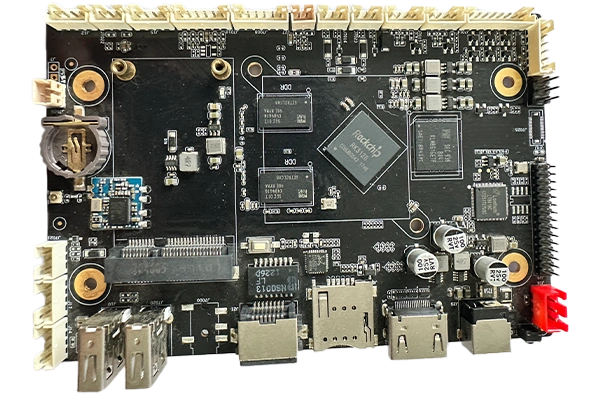
By integrating multiple stages of the electronics manufacturing process, Kingda helps customers simplify procurement, reduce supply-chain complexity, accelerate product development, and establish a more reliable path from prototype to production.
Whether you are developing a new electronic device, producing engineering samples, launching a small batch, or preparing for volume manufacturing, choosing an experienced PCB and PCBA manufacturing partner in China can help improve efficiency, control costs, and accelerate time to market.