Electronic products have become an essential part of modern life. From smartphones and wearable devices to smart home products, new energy systems, telecommunications equipment, medical devices, automotive electronics, and industrial automation, electronic technology powers many of the products and systems around us.
However, developing a reliable electronic product requires expertise across multiple disciplines, including electrical engineering, mechanical engineering, embedded software, manufacturing, testing, and regulatory compliance. This is where Electronic Design Services become valuable.
Electronic Design Services cover the engineering activities required to transform a product concept into a manufacturable electronic product. Depending on project requirements, these services can include requirements analysis, system architecture, circuit design, PCB Design, embedded software development, prototyping, testing, debugging, certification support, and manufacturing preparation.
An experienced electronic design partner can support the entire Electronic Product Development lifecycle, helping companies reduce development risks, identify design problems earlier, improve manufacturability, and accelerate the transition from prototype to production.
What Are Electronic Design Services?
Electronic Design Services are professional engineering services that help customers design, develop, validate, and prepare electronic products for manufacturing.
These services may be provided by specialized electronic design companies, engineering service providers, contract manufacturers, or original design manufacturers (ODMs). The scope can range from a single engineering task, such as PCB layout, to complete product development from concept through production.
A comprehensive electronic design project may include:
- Product requirements analysis
- System architecture development
- Circuit and schematic design
- Component selection
- PCB Design and layout
- Embedded firmware and software development
- Mechanical and enclosure design
- Prototype development
- Functional and reliability testing
- EMI/EMC Testing
- Design for Manufacturing (DFM)
- Production test development
- Certification and documentation
- Manufacturing and assembly support
- Post-production engineering support
The exact scope depends on whether the project involves a new product, an existing product redesign, or an improvement to an established platform.
Hardware and Mechanical Development
Hardware and mechanical engineering must work together to ensure that the electronic product meets both functional and physical requirements.
Concept Development
The development process begins by translating application scenarios and customer requirements into practical product concepts. Engineers evaluate product functions, operating environments, size limitations, user interaction, power requirements, and manufacturing constraints.
Industrial and Structural Design
Industrial design focuses on product appearance and user experience, while mechanical engineering addresses the internal structure, enclosure, component mounting, thermal management, connectors, and assembly requirements.
Important considerations include:
- Product dimensions
- Enclosure structure
- PCB mounting
- Connector positioning
- Heat dissipation
- Mechanical strength
- Waterproofing or dust protection where required
- Assembly and serviceability
Functional Customization
Different applications require different combinations of processing capability, connectivity, display, sensing, power management, and user interfaces. The electronic architecture should therefore be developed around the actual product requirements rather than relying on a generic design.
Product Simulation
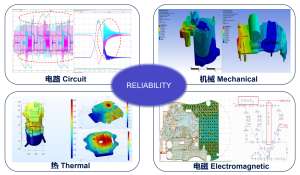
Simulation and engineering evaluation can be used to identify potential problems before physical prototypes are manufactured. Depending on the application, engineers may evaluate electrical behavior, thermal performance, mechanical structure, signal integrity, or electromagnetic compatibility.
Embedded Systems and Operating Software
Modern electronic products frequently combine hardware with firmware, operating systems, and application software.
An embedded development service may include:
- Hardware-software interface definition
- Bootloader development
- Device driver development
- Operating system configuration
- System customization
- Power-management optimization
- Communication interface development
- User-interface integration
- Automated and semi-automated software testing
- Debugging and performance optimization
For products with limited power budgets, low-power architecture is particularly important. Engineers may optimize processor operating modes, peripheral usage, communication protocols, and software scheduling to reduce energy consumption.
Continuous system testing helps identify software bugs and hardware-software compatibility issues before product release.
Third-Party Application Integration
Some electronic products require integration with third-party applications, cloud platforms, mobile applications, or external software systems.
Typical activities include:
- Hardware and software compatibility testing
- Third-party application testing
- Application installation and configuration
- Application management
- Data and communication interface testing
- Application deployment support
- System integration and debugging
Integration should be validated against the target hardware configuration, operating system version, communication interfaces, and security requirements.
Major Industries Served by Electronic Design Services
Electronic Product Development is used across a wide range of industries. Typical applications include industrial electronics, consumer electronics, medical equipment, automotive systems, IoT devices, robotics, automation, new energy systems, telecommunications, and smart hardware.
POS and Smart Terminals
Electronic design services can support products such as:
- Embedded payment terminals
- Financial POS systems
- Android-based PDAs
- Industrial tablets
- Smart payment devices
These products often require reliable communication, secure data processing, touch interfaces, displays, battery management, and peripheral integration.

Automotive and Diagnostic Terminals
Automotive electronics may include:
- Vehicle diagnostic terminals
- Automotive data recorders
- Vehicle infotainment devices
- Human-machine interfaces
- Automotive communication equipment
Automotive applications typically require careful consideration of temperature, vibration, electromagnetic compatibility, power transients, and long-term reliability.
Industrial and Multimedia Devices
Other applications include:
- Industrial tablets
- Multimedia conference terminals
- Head-up displays (HUDs)
- Outdoor smart terminals
- Multimedia boxes
- Industrial control equipment
These products may require customized mechanical structures, high-performance processors, wireless connectivity, display interfaces, and robust environmental protection.
Why Choose Kingda as an Electronic Design Partner?
Kingda can support electronic product development by coordinating design, engineering, manufacturing preparation, and PCB-related requirements within a structured development process.
1. Cross-Disciplinary Engineering Support
Successful electronic products require cooperation between hardware, software, mechanical, manufacturing, and testing engineers. Kingda can coordinate these disciplines according to project requirements, helping reduce communication gaps between different development stages.
2. Industry-Oriented Product Development
Different industries have different design priorities. Industrial equipment may emphasize reliability and service life, while consumer products may place greater emphasis on size, power consumption, connectivity, and user experience.
An effective engineering approach should therefore consider the application environment, product requirements, manufacturing process, and target market from the beginning.
3. Design and Quality Management
A structured development process should include engineering reviews, design verification, revision control, component management, manufacturing documentation, and test records.
Regulatory and certification requirements should also be considered during design rather than being addressed only after the product is completed.
4. Testing and Inspection Support
Testing is an important part of electronic product development. Depending on the product, testing may include:
- Electrical testing
- Functional testing
- RF testing
- Optical testing
- Mechanical measurement
- Environmental testing
- Reliability testing
- EMI/EMC Testing
- Material and structural analysis
- Failure analysis
Typical inspection and analysis equipment may include optical microscopes, dimensional measurement systems, X-ray inspection equipment, and other laboratory instruments appropriate for the product.
Environmental reliability testing may evaluate conditions such as:
- Temperature and humidity cycling
- Thermal shock
- Temperature changes
- Vibration
- Drop and impact
- Mechanical endurance
- Wear and friction
- Stability
Failure-analysis activities may include:
- Cross-section analysis
- Dye-and-pry or dye penetration analysis where applicable
- X-ray or CT inspection
- Ionic contamination testing
- Microscopic inspection
- Electrical fault analysis
The actual test plan should be based on product specifications, applicable standards, risk analysis, and intended operating conditions.
Electronic Design Service Process
A complete Electronic Design Process consists of multiple stages that transform an initial concept into a validated and manufacturable product.
1. Requirements Analysis
The first stage is to understand the customer’s technical and commercial requirements.
Engineers typically define:
- Product functions
- Performance requirements
- Power requirements
- Communication interfaces
- Operating environment
- Mechanical dimensions
- Cost targets
- Production volume
- Applicable regulations
- Reliability requirements
The output is normally a product requirements specification that establishes the basis for subsequent engineering work.
2. Concept Development
During concept development, engineers evaluate possible technical solutions and determine whether the proposed product is technically and commercially feasible.
The team may compare different processors, sensors, communication technologies, power architectures, PCB structures, materials, and mechanical configurations.
The objective is to establish a realistic product architecture before committing significant resources to detailed development.
3. System Architecture Design
System architecture defines how the major hardware and software modules interact.
Typical activities include:
- System block diagram development
- Hardware architecture
- Software architecture
- Interface definition
- Communication protocols
- Firmware architecture
- Power architecture
- Mechanical structure planning
- Thermal management planning
This stage establishes the technical framework for detailed design.
4. Budget and Cost Estimation
Cost estimation should begin early because engineering decisions can significantly influence the final product cost.
Major cost factors may include:
- PCB material
- PCB layer count
- Component selection
- Mechanical parts
- Connectors
- Assembly processes
- Testing requirements
- Tooling
- Certification
- Packaging
- Production volume
Early cost analysis can help identify expensive design decisions before they become difficult to change.
5. Hardware and Software Design
Once the architecture is established, engineers develop the individual hardware and software modules.
Hardware development may include:
- Schematic design
- Component selection
- Power supply design
- High-speed interface design
- PCB Design
- PCB stackup planning
- PCB layout
- Routing
- Thermal design
- Signal integrity analysis
- Power integrity analysis
- Circuit simulation
Software development may include:
- Firmware development
- Device drivers
- Operating system configuration
- Application software
- Unit testing
- Integration testing
- Debugging
Hardware and software should be developed together where their interfaces are closely interdependent.
6. Prototype Development and Validation
Prototype production provides an opportunity to verify the actual product rather than relying only on simulations or design files.
Prototype testing may include:
- Functional verification
- Electrical measurements
- Power consumption testing
- Interface testing
- Thermal evaluation
- Mechanical testing
- RF testing
- EMI/EMC Testing
- Environmental testing
Problems discovered during prototype validation can be addressed through controlled design iterations.
7. Manufacturing Preparation
After the design has been validated, the engineering team prepares the product for manufacturing.
This stage may include:
- DFM analysis
- DFA analysis
- PCB manufacturing documentation
- Assembly documentation
- BOM verification
- Component lifecycle review
- Manufacturing test planning
- Production fixture development
- Process documentation
DFM is particularly important because a circuit that works correctly in a prototype may still require modification before efficient mass production.
Design teams should work with the manufacturing partner to evaluate component availability, PCB fabrication capabilities, assembly tolerances, test access, panelization, and production yield considerations.
8. Certification and Documentation
Electronic products may need to comply with different regulatory requirements depending on the target market and product category.
Depending on the application, requirements may involve standards or regulatory frameworks such as:
- CE
- FCC
- UL
- RoHS
- Other market-specific safety, environmental, or electromagnetic requirements
Certification should be considered early because changes made late in development can affect the PCB, enclosure, power supply, shielding, firmware, or other product elements.
Technical documentation may include:
- Schematics
- PCB design files
- BOM
- Assembly drawings
- Test specifications
- User documentation
- Manufacturing instructions
- Revision records
- Compliance documentation
9. Production and Sustaining Engineering
Product development does not necessarily end when production begins.
Post-launch engineering support may include:
- Failure analysis
- Component replacement
- Obsolescence management
- PCB revisions
- Firmware updates
- Manufacturing optimization
- Cost reduction
- Reliability improvements
- Production troubleshooting
This continuous engineering support can help maintain product performance throughout its manufacturing lifecycle.
Key Activities in Electronic Product Development
The major activities in Electronic Product Development may include:
- Collecting and analyzing product requirements
- Developing system architecture
- Creating schematics and circuit designs
- Performing circuit simulation
- Designing PCB layouts
- Selecting electronic components
- Developing firmware and embedded software
- Designing mechanical structures and enclosures
- Building prototypes
- Conducting design verification
- Developing test plans and test cases
- Performing environmental and EMI/EMC Testing
- Conducting DFM analysis
- Preparing manufacturing documentation
- Developing production test systems
- Supporting production ramp-up
- Providing post-production engineering support
The exact workflow depends on whether the project is a completely new product, a redesign, a cost-reduction project, or an upgrade of an existing product.
Benefits of Outsourcing Electronic Design Services
As electronic products become more sophisticated, many companies outsource part or all of their product development to specialized engineering partners.
Access to Multidisciplinary Expertise
Electronic products require knowledge across electrical engineering, mechanical engineering, embedded systems, software, testing, and manufacturing.
An external engineering partner can provide access to multiple technical disciplines without requiring a company to maintain a large permanent team.
Focus on Core Competencies
If electronic engineering is not a company’s primary business, outsourcing product development can allow internal teams to focus on product strategy, customer requirements, sales, or other core activities.
Cost and Time Efficiency
Maintaining a complete internal development laboratory and engineering team can be expensive for companies with occasional or project-based development requirements.
External engineering resources can provide access to specialized equipment, technical knowledge, and manufacturing experience while reducing the risk of costly design mistakes.
Faster Product Development
Experienced development teams can use iterative prototyping, engineering reviews, simulation, and early validation to identify problems before production.
Early collaboration between design and manufacturing teams can also shorten the transition from prototype to production.
Simplified Project Management
Using a coordinated engineering partner can reduce the number of separate suppliers involved in hardware design, PCB development, testing, and manufacturing.
This can simplify communication, responsibility allocation, revision management, and project coordination.
How to Choose an Electronic Design Partner
Choosing an electronic design partner requires more than comparing quotations. The supplier should be evaluated according to technical capability, engineering processes, manufacturing support, quality management, and communication.
Consider the following factors:
- Experience in your target industry
- Capability in hardware, firmware, software, and mechanical engineering
- Experience with analog, digital, RF, and power electronics
- PCB Design capabilities
- Prototype development capability
- Testing and validation resources
- EMI/EMC Testing capability
- DFM and manufacturing support
- Component sourcing and lifecycle management
- Production test development
- Engineering change control
- Quality review procedures
- IP protection and information security
- Project communication and reporting
- Post-development engineering support
It is also useful to review relevant project experience and determine whether the supplier can support the transition from engineering prototype to production.
How to Choose a Reliable Electronic Design Engineer
In addition to selecting a suitable company, the qualifications and working methods of individual engineers can have a significant impact on project results.
When evaluating an electronic design engineer, consider:
- Experience with similar products or industries
- Hardware design experience
- Embedded software and firmware experience
- PCB layout and design experience
- Testing and debugging capability
- Understanding of manufacturing processes
- Knowledge of signal and power integrity
- Experience with component selection
- Familiarity with design review and verification procedures
- Ability to document engineering decisions
- Understanding of IP ownership and confidentiality
- Communication and reporting skills
- Experience supporting production after design completion
A reliable engineer should be able to explain not only how a circuit works, but also how the design will be tested, manufactured, maintained, and revised.
Electronic Design and Manufacturing Considerations
Successful electronic development requires close coordination between design and manufacturing.
A design should consider manufacturing requirements from the beginning, including:
- Component availability
- PCB fabrication capability
- Assembly tolerances
- Soldering requirements
- Thermal management
- Test-point accessibility
- Inspection requirements
- Production volume
- Panelization
- Component lifecycle
- Supply-chain risks
For example, selecting a technically suitable component that is difficult to source can create production problems later. Similarly, a PCB layout that passes electrical checks may still require changes if its feature sizes or assembly tolerances exceed the manufacturer’s capabilities.
Therefore, PCB Design, DFM, testing, sourcing, and manufacturing planning should be treated as interconnected engineering activities rather than isolated steps.
Kingda Electronic Design Support
Kingda can support electronic product development with engineering and manufacturing-oriented services covering PCB-related design, prototype development, assembly preparation, testing coordination, and production support.
Depending on project requirements, the development workflow can be coordinated across:
- Product requirements
- Circuit and schematic development
- PCB Design
- Component selection
- Prototype development
- DFM review
- PCB manufacturing preparation
- PCB assembly
- Functional testing
- Reliability evaluation
- Production support
By considering design, testing, and manufacturing requirements together, engineering teams can identify potential production issues earlier and establish a smoother path from prototype to production.
Best Practices for Electronic Product Development
To improve development efficiency and reduce avoidable engineering risks, companies should:
- Define product requirements before detailed design begins.
- Establish a clear system architecture.
- Select components based on both technical performance and supply-chain considerations.
- Perform design reviews at major development milestones.
- Use simulation where it provides meaningful engineering value.
- Consider DFM before prototype release.
- Build a verification plan that reflects actual product risks.
- Maintain strict revision control for hardware, firmware, BOM, and manufacturing files.
- Involve manufacturing engineers early in the development cycle.
- Document test results and engineering changes.
- Consider certification requirements before finalizing the design.
- Maintain engineering support after production begins.
Conclusion
Electronic Design Services provide a structured approach to developing electronic products from an initial concept to a manufacturable and validated solution. They can combine hardware design, PCB Design, embedded systems, mechanical engineering, software development, testing, DFM, certification support, and manufacturing preparation.
As electronic products become increasingly connected and complex, successful development depends on more than designing a functional circuit. Engineers must also consider manufacturability, component availability, reliability, regulatory requirements, testing, cost, and long-term product support.
By selecting an engineering partner with appropriate technical capabilities and a well-defined Electronic Design Process, companies can reduce development risks, improve product quality, and establish a more efficient path from concept and prototype to production.