How to Evaluate a PCB Manufacturer: 5 Key Criteria
A printed circuit board is the structural foundation of most electronic products, and its quality and performance can directly affect the reliability of the finished product. Choosing the right PCB Manufacturer therefore requires more than simply comparing prices.
A comprehensive evaluation should consider technical capabilities, production capacity, quality management, customer service, and industry experience. These factors can help electronics companies identify a manufacturing partner capable of meeting both current production requirements and future development needs.
1. Technical Capabilities: Product Range and Process Expertise
Technical capability is one of the most important factors when evaluating a PCB supplier. It can generally be assessed from two perspectives: the range of PCB products supported and the depth of manufacturing processes available.
Product Type Compatibility
PCB requirements vary significantly across industries.
Industrial control applications often emphasize reliability and durability, while medical electronics may require high precision and consistent manufacturing quality. Communication equipment can place greater demands on high-frequency and high-speed PCB performance.
A capable manufacturer should be able to support a broad range of PCB technologies, such as:
- Multilayer PCBs
- High-density interconnect PCBs
- High-frequency and high-speed PCBs
- Rigid-flex PCBs
- Blind and buried via PCBs
- Heavy copper PCBs
- Special-structure PCBs
If a project requires special structures such as castellated holes, metalized half-holes, stepped features, or other customized processes, it is important to confirm whether the manufacturer has stable production experience with these technologies.
A manufacturer with broad engineering capabilities can provide greater flexibility when product requirements change during development.
Process Innovation and Customization
Standard PCB processes are only one part of a manufacturer’s technical capability.
Advanced processes such as heavy copper fabrication, resin-filled vias, specialized surface treatments, and other customized manufacturing technologies can demonstrate the depth of a supplier’s process capabilities.
More importantly, evaluate whether the manufacturer can respond to unique engineering requirements.
A strong manufacturing partner should be able to:
- Review customer designs
- Identify potential manufacturing issues
- Develop appropriate process solutions
- Build engineering samples
- Support prototype production
- Troubleshoot manufacturing problems
- Transition qualified designs into production
For customers that require engineering support in addition to fabrication, integrating PCB Design & Layout with manufacturing can simplify communication and reduce unnecessary design iterations.
2. Production Capacity: Balancing Scale and Efficiency
Production capacity directly affects delivery stability. When evaluating PCB Production Capacity, companies should consider not only the nominal output of a factory but also its equipment, process organization, and ability to respond to different order volumes.
Capacity and Equipment Configuration
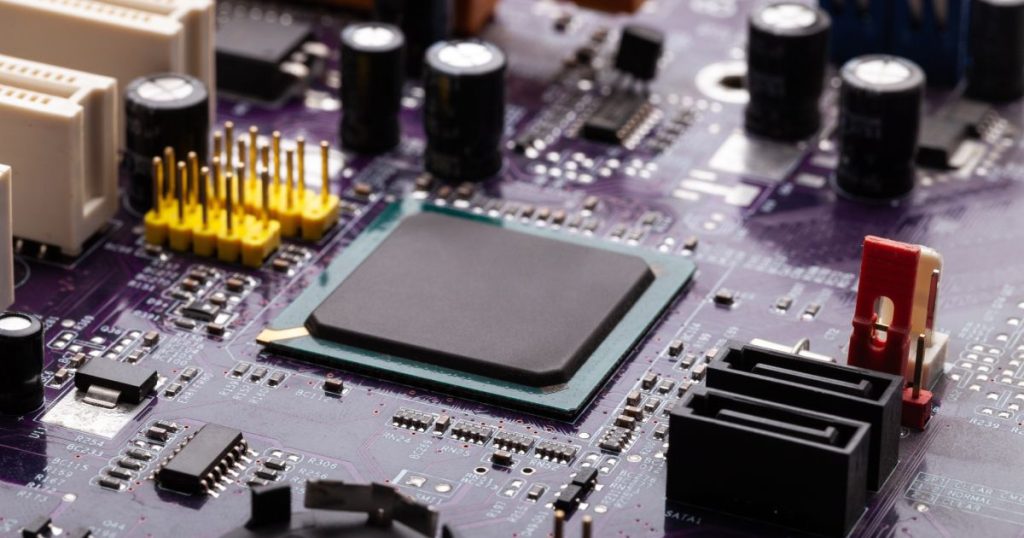
A manufacturer’s capacity should be evaluated according to the actual requirements of the project.
Important factors include:
- Daily production capability
- Monthly production capacity
- Available production lines
- Equipment configuration
- Automated inspection capability
- Drilling and routing capacity
- Testing equipment
- Engineering resources
Advanced production and inspection equipment can contribute to manufacturing accuracy, consistency, and production efficiency.
However, equipment quantity alone does not necessarily indicate manufacturing strength. Companies should also evaluate whether the equipment is appropriate for their specific PCB technology and whether the factory has the engineering expertise required to operate it effectively.
Rapid Response for Prototypes and Small-Batch Orders
For product development projects, prototype and low-volume production can be especially time-sensitive.
A responsive manufacturer should have processes for handling engineering samples and small-batch orders efficiently. This may include dedicated engineering teams, optimized production scheduling, streamlined material preparation, and fast communication between sales, engineering, and production departments.
The objective is not simply to produce faster, but to achieve a practical balance between delivery time, manufacturing cost, and product quality.
3. Quality Control: From Certifications to Process Execution
PCB quality directly affects the reliability and failure rate of the final electronic product. For this reason, PCB Quality Control should be evaluated throughout the entire manufacturing process rather than based only on the final inspection report.
Certifications and Compliance
Recognized quality management certifications can provide an initial reference when evaluating a PCB supplier.
Depending on the target market and application, relevant certifications may include:
- ISO 9001
- IATF 16949
- ISO 13485
- Other applicable industry or customer-specific requirements
For automotive, medical, industrial, or other specialized applications, additional compliance requirements may apply.
However, certification alone does not guarantee manufacturing quality. Companies should also evaluate how effectively the manufacturer’s quality system is implemented in day-to-day production.
Full-Process Quality Management
A reliable manufacturer should maintain quality controls from incoming materials through final shipment.
A typical quality-control workflow may include:
- Incoming material inspection
- Engineering data verification
- Production process monitoring
- In-process inspection
- Automated optical inspection
- Electrical testing
- Final inspection
- Shipment verification
Digital production systems and automated inspection technologies can further reduce human errors and improve consistency between production batches.
For projects requiring both PCB fabrication and assembly, an integrated PCB Manufacturing workflow can help maintain better control over engineering data, production processes, and quality requirements.
4. Service and Cooperation: Responsiveness and Long-Term Support
PCB manufacturing is not simply a production transaction. For many electronic product developers, the relationship with the manufacturer continues from prototype development through mass production and product updates.
Communication and Engineering Response
Fast and accurate communication can be especially important when a project involves:
- Engineering changes
- Urgent prototype requirements
- Manufacturing defects
- Material substitutions
- Component availability issues
- Production schedule changes
A responsive supplier should have clear communication channels between sales, engineering, quality, procurement, and production teams.
After-Sales Technical Support
After delivery, unexpected quality or production issues may still occur. A capable PCB manufacturer should be able to investigate customer feedback, identify potential root causes, and provide appropriate corrective actions.
This creates a complete support cycle covering production, inspection, delivery, and after-sales service.
For customers seeking a complete electronic manufacturing workflow, Turnkey PCB Assembly can further integrate PCB fabrication, component sourcing, assembly, and related production services.
5. Company Experience: Industry Knowledge and Long-Term Stability
Long-term cooperation requires more than production equipment. A manufacturer’s industry experience, engineering knowledge, and organizational stability should also be considered.
Industry Experience
The number of years a company has worked in PCB manufacturing and the types of customers and applications it has supported can provide useful insight into its experience.
Manufacturers with experience across industrial electronics, automotive electronics, communications, medical devices, power electronics, and other demanding sectors may have broader knowledge of application-specific manufacturing requirements.
However, rather than focusing only on how long a company has been operating, customers should examine whether its experience is relevant to their specific PCB requirements.
Engineering and Manufacturing Knowledge
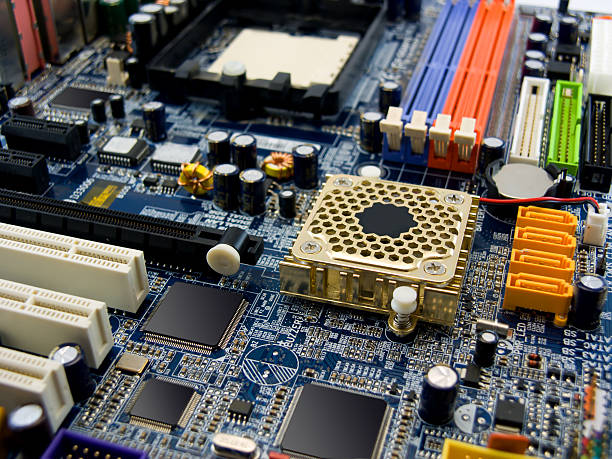
A mature manufacturer should be able to understand the relationship between PCB design, material selection, manufacturing processes, assembly requirements, and final product performance.
This experience can be particularly valuable when a PCB design contains complex structures, tight dimensional requirements, high-density routing, controlled impedance, or special material requirements.
Corporate Philosophy and Continuous Improvement
A manufacturer’s approach to quality, innovation, efficiency, and continuous improvement can influence its ability to support customers over the long term.
Manufacturers that continuously optimize production processes, reduce manufacturing waste, improve process stability, and invest in engineering capabilities are generally better positioned to adapt to changing customer requirements.
6. What Should You Ask a PCB Manufacturer Before Placing an Order?
Before selecting a supplier, it is useful to prepare a structured evaluation checklist.
Consider asking the manufacturer:
- What PCB technologies can you manufacture?
- What are your standard and advanced manufacturing capabilities?
- What PCB thicknesses and copper thicknesses can you support?
- What is your typical prototype lead time?
- What production volumes can you handle?
- What inspection and testing methods are available?
- What quality certifications do you hold?
- Can you provide engineering support?
- Can you support component procurement and PCB assembly?
- How do you handle quality issues and engineering changes?
The answers should be compared with your project’s actual technical, production, and quality requirements.
7. Why Manufacturing Integration Matters
For many electronic product developers, PCB fabrication is only one stage of the manufacturing process. Components must also be sourced, assembled, inspected, and tested.
An integrated supplier can simplify this workflow by reducing the number of separate vendors involved in the project.
GOPCBA provides integrated PCB solutions covering PCB design support, PCB fabrication, component procurement, and PCB assembly. Components Procurement can help coordinate component sourcing with the PCB production schedule, while assembly services can support the transition from bare board production to completed PCBA.
Conclusion
Evaluating a PCB manufacturer requires a comprehensive assessment rather than relying on a single factor such as price or production volume.
The five major areas to evaluate are:
- PCB Manufacturer Capabilities — including product range, engineering expertise, and special processes.
- PCB Production Capacity — including equipment, output, and rapid-response capability.
- PCB Quality Control — including certifications, inspection, testing, and process management.
- Service and technical support — including communication and after-sales response.
- Industry experience and long-term stability — including relevant application experience and continuous improvement.
The right manufacturing partner should be able to meet your technical requirements, maintain consistent quality, respond efficiently to engineering needs, and support the project from prototype development through production.
For companies developing industrial, automotive, medical, communication, power, and other electronic products, a systematic supplier evaluation process can significantly reduce manufacturing risks and help establish a reliable long-term PCB supply chain.