Incoming Inspection: Incoming Material Inspection Planning
Incoming inspection exists to catch problems before they enter the production line, and it works best when it is designed around risk rather than around a habit of checking everything. No factory can inspect every characteristic of every part it buys, and attempting to do so consumes labour without reducing the escape rate. A planned approach sets the sampling rate from the criticality of the part, the history of the supplier and the cost of a defect that reaches the line.

What Incoming Inspection Is For
The purpose is to confirm that what arrived matches what was ordered, and to detect the conditions that would cause a defect if the material were used. That is narrower than a full specification check. A connector that is dimensionally correct but has contaminated contacts will fail at assembly, while a slight dimensional variation in a washer may be irrelevant. The inspection plan should therefore focus on the characteristics that actually affect the process and the product.
It is also the last point at which material can be rejected cleanly. Once a reel is on the line, a defect becomes a production problem with a scrap cost attached; before that it is a supplier problem with a return and a corrective action. The economic argument for inspection is strongest at that boundary, which is why staged inspection planning places the emphasis at the receiving gate rather than at the end of the line.
Choosing the Characteristics
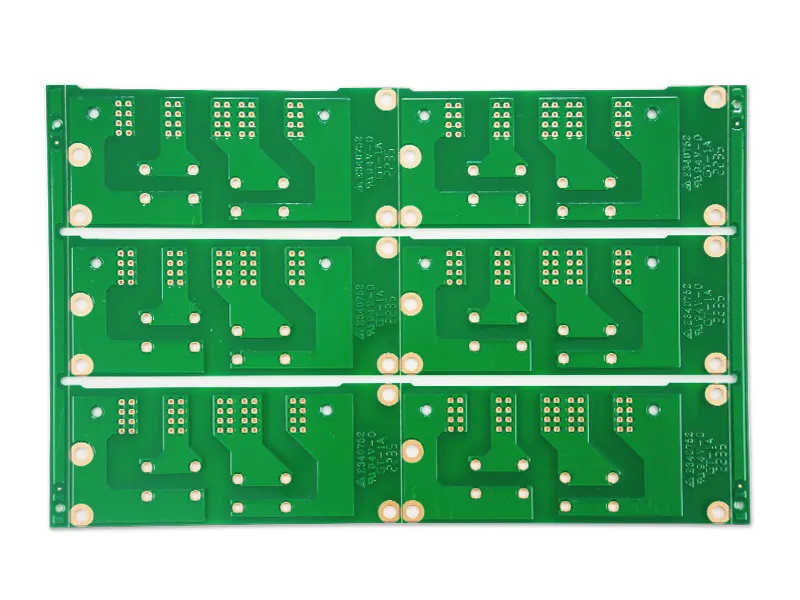
The characteristics worth checking are those with a documented link to a failure. For a printed circuit board that usually means dimensional check of the outline, hole registration, plating thickness on a coupon and the presence of the required markings. For components it means part number and marking verification, packaging condition, moisture barrier integrity and any appearance criterion that the process depends on. For solder paste it means lot number, expiry and the receipt temperature record.
Each characteristic needs a method and a criterion. A check that says inspect for damage is not a check; a criterion that says the connector contacts shall be free of visible contamination under ten times magnification is. Where a characteristic is difficult to measure, it may be better controlled at the supplier with a certificate of conformance plus periodic verification than inspected on every receipt. Incoming inspection practice describes the common methods.
Sampling Plans
Sampling is the mechanism that makes inspection affordable. A documented plan states how many units are taken, how they are selected and what happens when a defect is found. Choosing between zero acceptance, a small fixed sample and a statistical plan depends on the part: high-value assemblies and safety-related components justify tighter inspection, while commodities with a long clean history justify minimal checking. The plan should also define the reaction to a rejected lot, including how far back to trace the material already used.
Acceptable quality level tables remain a common basis for these plans, and they work well when the defect rate is stable and the consequences are known. Where a defect is catastrophic rather than cosmetic, however, a plan that accepts a small number of defects is inappropriate, and the criterion should be zero. Deciding which category a part belongs to is a judgement that belongs in the plan rather than at the bench. Compliance documentation usually travels with the same receipt.
Using Supplier History
Inspection frequency should respond to performance. A supplier with a long record of conforming shipments and a documented process can be moved to reduced inspection, which frees capacity for the parts that need attention. A supplier whose material has caused a line stoppage should return to tightened inspection until corrective actions are verified. The rule matters more than the arithmetic: inspection is a resource that should be pointed at risk, and a flat plan spent evenly across all parts ignores risk entirely.
Performance data should be recorded in a form that can be reviewed, with the defect, the lot, the quantity and the disposition. Over a year, that data describes each supplier’s real capability and gives the purchaser a factual basis for conversations that would otherwise be about impressions. It also becomes the evidence that supports reduced inspection, which is the reward that suppliers actually value. supplier management depends on the same records being accurate.
Traceability and Records
Traceability goes beyond the inspection result. The record should link the received lot to the supplier’s lot, the date of receipt, the inspection performed, the result and the disposition of any nonconforming material. When a defect later appears in the field, that chain is what allows a suspect range to be defined quickly instead of recalling everything the supplier ever shipped.
Where the material is stored before use, the record should also show the storage conditions and the date of issue to production. Components with a moisture sensitivity level, paste with an expiry date and laminates with a shelf life all depend on that information, and the incoming record is where the clock starts. Document control keeps the format consistent so that a search across a year of receipts is possible.
Working with the Supplier
Inspection findings should be communicated to the supplier with the evidence, not only with the rejection. A photograph, a measurement and the lot number allow the supplier to investigate; a rejection note with no detail produces a credit and no improvement. Where a defect recurs, the conversation should shift from the shipment to the process that produced it, which is where the problem actually lives.
Collaboration also opens the possibility of moving inspection upstream. Where a supplier can measure a characteristic reliably and report it with the shipment, incoming inspection can be reduced to verification of the report rather than repetition of the measurement. That arrangement requires trust, and trust is built on a record of accurate reporting, which is exactly what the inspection data provides.
Making It Practical
An inspection plan only works if it can be executed during a normal receiving day. That means the equipment, the fixtures, the drawings and the criteria are available where the material arrives, and the inspector has time to complete the check before the lot is issued to production. Where material is urgently needed, the pressure to skip a check is enormous, and the plan should include a documented route for conditional release with a defined follow-up rather than leaving the decision to whoever is on shift.
It also helps to keep the plan short. A one-page list per part family, with the characteristics, the method, the sample size and the disposition rule, is far more likely to be followed than a specification the inspector has to interpret. Reviewing the plan against the defect history once a year keeps it aligned with reality, and it retires checks that no longer correspond to any risk. Quality checklist design follows very similar rules.
FAQ
Should every incoming lot be inspected? No. Inspection should follow risk, based on the part, the characteristic and the supplier’s history. Some parts can be accepted on a certificate with periodic verification.
What is a reasonable sample size? It depends on the plan and the consequence of a defect. For critical characteristics, a small sample with a zero acceptance criterion is often more appropriate than a statistical plan.
What happens when a lot is rejected? Quarantine it, notify the supplier with evidence, and trace the material already issued to determine whether product is affected. Record all of it against the lot.
How often should sampling plans be reviewed? Annually, and immediately after any change of supplier, material or process that could affect the risk assessment.