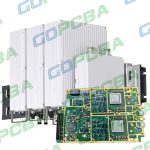
Rigid Flex vs Flexible PCB: Military Applications Compared
Why the PCB Choice Is Critical in Defense Electronics
In modern military electronic systems, circuit reliability can decide the outcome of a mission. Avionics, radar systems and wearable soldier equipment all run in extreme temperatures, strong vibration, high shock and continuous operation, so the board must keep working when nothing else can. As defense electronics move toward higher density, smaller size, lighter weight and greater reliability, choosing the right PCB family has become a central engineering decision.
The two most widely used technologies today are rigid flex PCB and flexible PCB. This guide compares rigid flex vs flexible PCB for military applications, covering structure, reliability, weight, electrical performance, manufacturing complexity, cost and the best scenarios for each, so engineers and buyers can make a rational selection.
gopcb manufactures both board families through its PCB manufacturing service with military grade quality control.
What Is a Rigid Flex PCB?
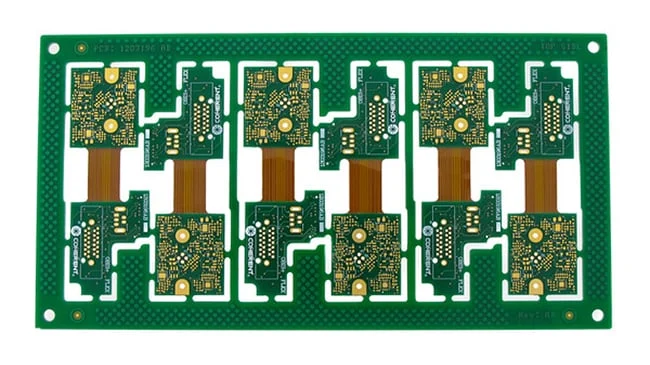
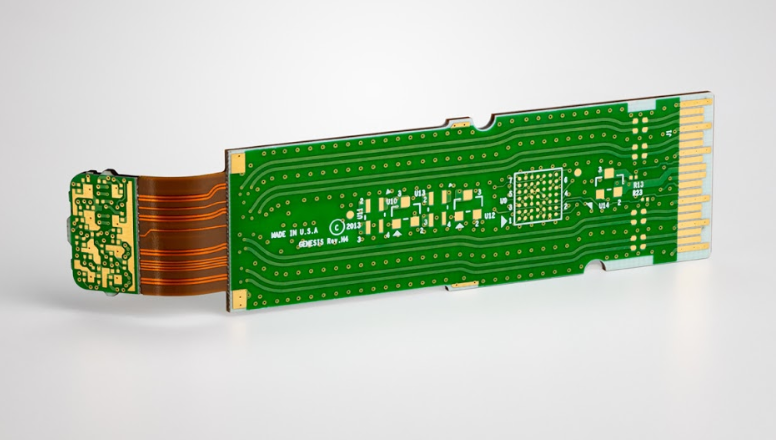
A rigid flex PCB combines rigid FR-4 sections with flexible polyimide circuits in one laminated structure. Rigid zones carry components and connectors with mechanical support, while flex zones bend, fold and route signals between rigid areas.
Its defining features are the integrated rigid and flex areas in one design, fewer connectors and cables, strong vibration and shock resistance, and support for three dimensional packaging. In high reliability defense equipment the rigid flex construction significantly reduces connection failure risk because every interconnection inside the board is plated copper instead of a removable connector.
What Is a Flexible PCB?
A flexible PCB, or FPC, is built entirely from flexible materials and can bend and flex in dynamic environments. It is ultra thin and lightweight, bendable and rollable, and easy to route through complex spaces, which makes it a natural fit for portable devices, sensor systems and space constrained assemblies.
In military products, flexible PCBs are used where weight, thinness and the ability to conform to a mechanical structure matter more than high bending cycle endurance under extreme load.
Key Differences Between Rigid Flex and Flexible PCB
Structure. A rigid flex PCB is a composite of rigid and flexible areas, while a flexible PCB is fully flexible. Rigid flex gives both support and bendability, and the flexible board emphasizes conformability.
Reliability and durability. Rigid flex PCBs offer stronger vibration and shock resistance because rigid sections lock components in place and flex links replace fragile connectors. Flexible PCBs suit dynamic bending but have lower structural strength on their own.
Weight and space. A flexible PCB is lighter and thinner, while rigid flex achieves overall system optimization by removing connectors, stiffeners and wiring. Both support miniaturization, but rigid flex is better for system level integration.
Electrical performance. Rigid flex PCBs deliver stronger signal integrity and better EMI control because flex links are short and controlled, while flexible PCBs fit low to mid complexity circuits. High frequency and high speed military systems therefore tend to select rigid flex.
Manufacturing complexity. Rigid flex requires multilayer lamination and precise registration between rigid and flex sections, making it more complex. Flexible PCBs are simpler to fabricate, which directly affects lead time and cost.
Rigid Flex PCB in Military Systems
Rigid flex boards are the mainstream choice for core military systems. Typical applications are avionics for navigation and flight control, missile guidance systems, radar and communication equipment, UAV platforms and military wearables.
The advantages are clear: fewer connection points that can fail, higher system stability in extreme environments and better use of internal volume. When a missile or drone is subjected to sustained acceleration and vibration, the board that survives is usually the one with the least reliance on external interconnects.
Flexible PCB in Military Systems
Flexible PCBs serve a different set of roles. They appear in military sensor systems, foldable communication devices, satellite and space equipment, and portable combat electronics where weight and the ability to conform to a curved structure are decisive.
Their advantages are lightweight design, high flexibility for complex geometry and more controllable cost. For subsystems that never face repeated high stress bending, an FPC is often the smartest packaging answer.
Advantages and Disadvantages
Rigid flex PCBs offer high reliability, strong shock resistance, excellent electrical performance and high integration, but they cost more and demand more design effort. Flexible PCBs are thin, light, flexible and cheaper with easier installation, but their standalone structural strength is lower and long term stability in extreme environments is weaker.
The practical trade-off is between mission critical reliability and packaging freedom. Neither technology wins every case, which is why the comparison has to start from the operating profile of the actual system.
How to Choose in a Military Program
Choose a rigid flex PCB for high reliability applications such as avionics and missile systems, extreme environments with heat and vibration, and high density complex designs. Choose a flexible PCB when the product needs frequent bending, weight is the priority or the budget is tight.
Overall, rigid flex is the mainstream choice for core military systems, while flexible PCBs are used for lightweight and dynamic subsystems. Working with a manufacturer early also helps, because a good PCB design and layout review decides the flex bend radii, stiffener placement and layer transitions that prevent field failures.
Key Design Points for Military Boards
Military PCB projects must comply with MIL-SPEC and IPC requirements, include thermal management for the full operating range, use vibration resistant structures, control EMC and EMI from layout to enclosure and pass long life reliability testing. Materials should be selected for the actual temperature and humidity exposure, and test coupons should be added so flex and plating quality can be verified in production.
Assembly matters as much as fabrication. Rigid flex boards need careful handling and controlled bending radii, and gopcb supports the full flow with PCB assembly and PCBA testing so the finished defense board is verified before integration.
2026 Cost Reference
Prototype pricing is about 80 to 300 USD for flexible PCBs and 300 to 1200 USD or more for rigid flex PCBs depending on layer count and complexity. In volume, flexible boards stay on the lower end, while rigid flex is more expensive up front but often more economical over the product life because it reduces maintenance and field failures.
For a defense program the cost comparison should include the full life cycle, not just the bare board quote. Fewer connectors, lower assembly labor and higher reliability in the field routinely make rigid flex the cheaper system even when its unit price is several times higher.
FAQ
What is the difference between rigid flex and flexible PCB? A rigid flex PCB combines rigid and flexible sections in one structure, while a flexible PCB is entirely flexible.
Which PCB is more reliable in military use? Rigid flex PCBs are stronger against vibration and harsh environments and are preferred for core defense systems.
Why do military devices use flexible PCBs? They are lightweight and bendable, which suits space constrained or dynamic applications.
How much does a military rigid flex PCB cost in 2026? Prototypes typically range from 300 to 1200 USD or more depending on layers and complexity.
Which PCB type supports high speed military signals? Rigid flex provides better signal integrity and EMI control for high frequency and high speed systems.
Choose the Right Board for Your Defense Program
In the comparison of rigid flex vs flexible PCB, rigid flex suits high reliability, complex and mission critical military systems, while flexible PCB fits lightweight and dynamic applications. The right choice directly affects the performance and service life of defense equipment. gopcb provides military grade rigid flex and flexible PCB manufacturing with strict quality control, reliability testing and support for complex defense projects. Send your design files for a free DFM review and a rigid flex PCB quotation today.