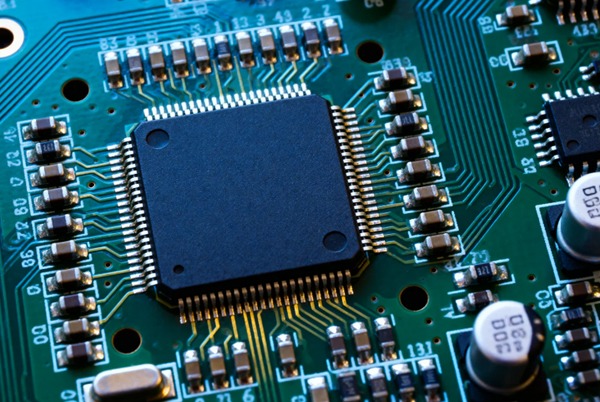
PCB Shadowing in Wave: A Practical Manufacturing Guide Buyers and engineers often focus on the finished product and forget the production line behind it. In practice, most field failures can be traced back to process decisions made during assembly. Understanding PCB shadowing in wave gives you a practical advantage when…
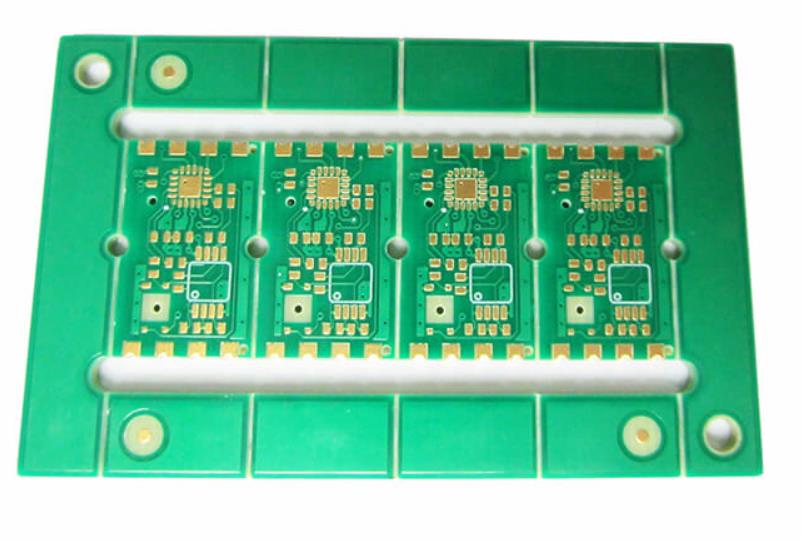
PCB Prototype Types: Materials and Construction Choices A PCB prototype is not simply a small quantity of a production board. It is a board built to answer a question, and the construction that answers the question most cheaply is often not the construction that will be used in production. Choosing…
PCB Etching: Process Control, Tolerance and Cost Factors PCB etching removes the copper that the resist does not protect, and it is the step that determines whether the trace widths on the finished board match the widths in the design. Because the process removes copper in every direction, a nominal…
Alumina PCB: Material Properties and Design Guide Alumina is the material that electronics uses when the operating temperature is too high for any polymer laminate. A board built on aluminium oxide ceramic does not soften, does not outgas and does not burn, and its thermal conductivity is many times that…
PCB Routing vs V-Scoring vs Die Cutting: Choosing a Profile Method Every board leaves the factory inside a panel, and the way it is separated from that panel determines the edge quality, the tooling cost and how much stress the components see. The three production methods in common use are…
PCB Pallet Design for Wave: What Matters on the Production Line Electronics manufacturing has become a discipline of small details. Solder paste volumes, placement accuracy, temperature profiles and inspection limits all add up to the final result. This guide looks at PCB pallet design for wave from the perspective of…
PCB Fluxer Maintenance on A Wave: Key Process and Quality Checks Electronics manufacturing has become a discipline of small details. Solder paste volumes, placement accuracy, temperature profiles and inspection limits all add up to the final result. This guide looks at PCB fluxer maintenance on a wave from the perspective…
PCB Humidity Control in the Shop: Keeping Air in Range Humidity is one of the few process inputs that touches every stage of electronics assembly. Solder paste picks up moisture, bare boards absorb it, and dry air builds static charge on everything that moves. A shop that keeps its air…
PCB ESD Floor and Footwear Test: A Factory-Floor Review Electronics manufacturing has become a discipline of small details. Solder paste volumes, placement accuracy, temperature profiles and inspection limits all add up to the final result. This guide looks at PCB ESD floor and footwear test from the perspective of a…
Six-Layer PCB Design Rules and Stack Choices A six-layer board is the point at which a design stops being constrained and starts being comfortable. Four layers give a ground plane and a power plane, but only two signal layers to route on, and those two layers are often in conflict…