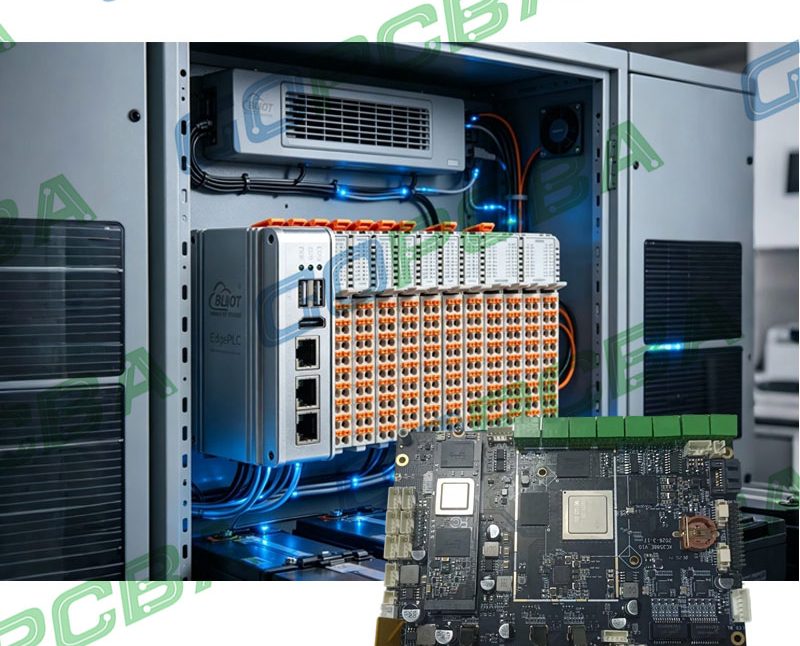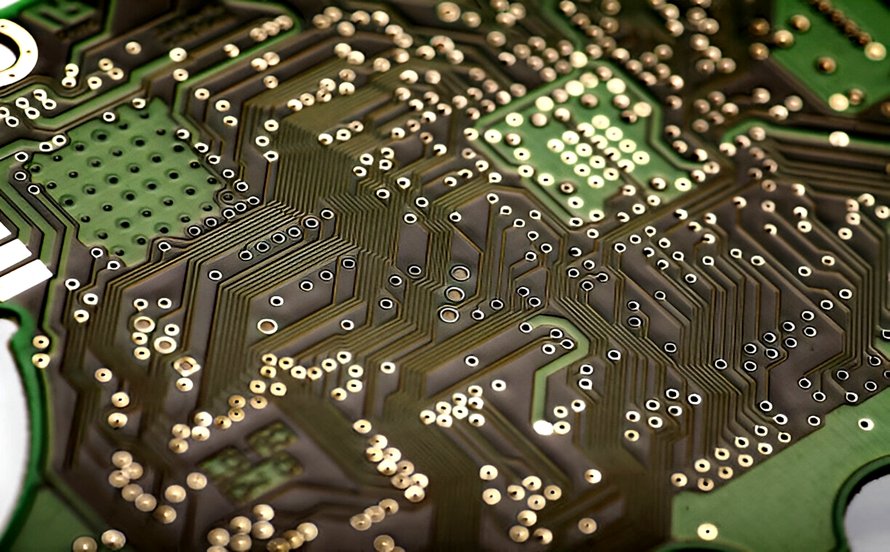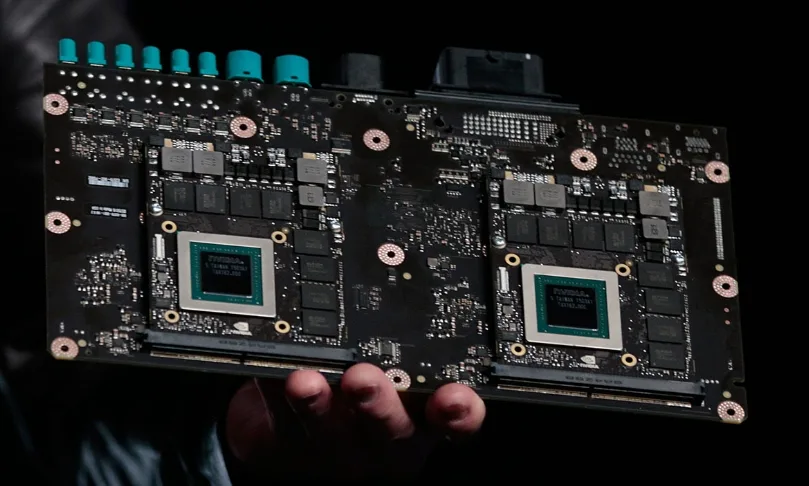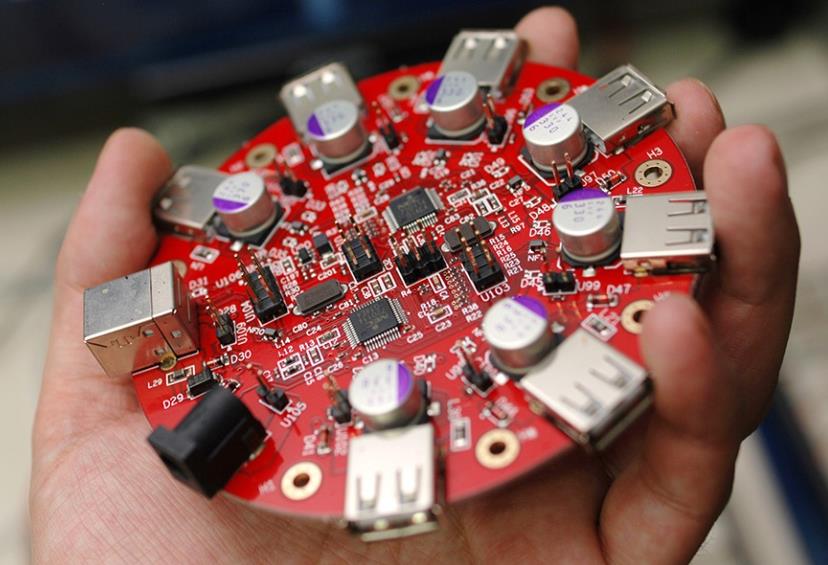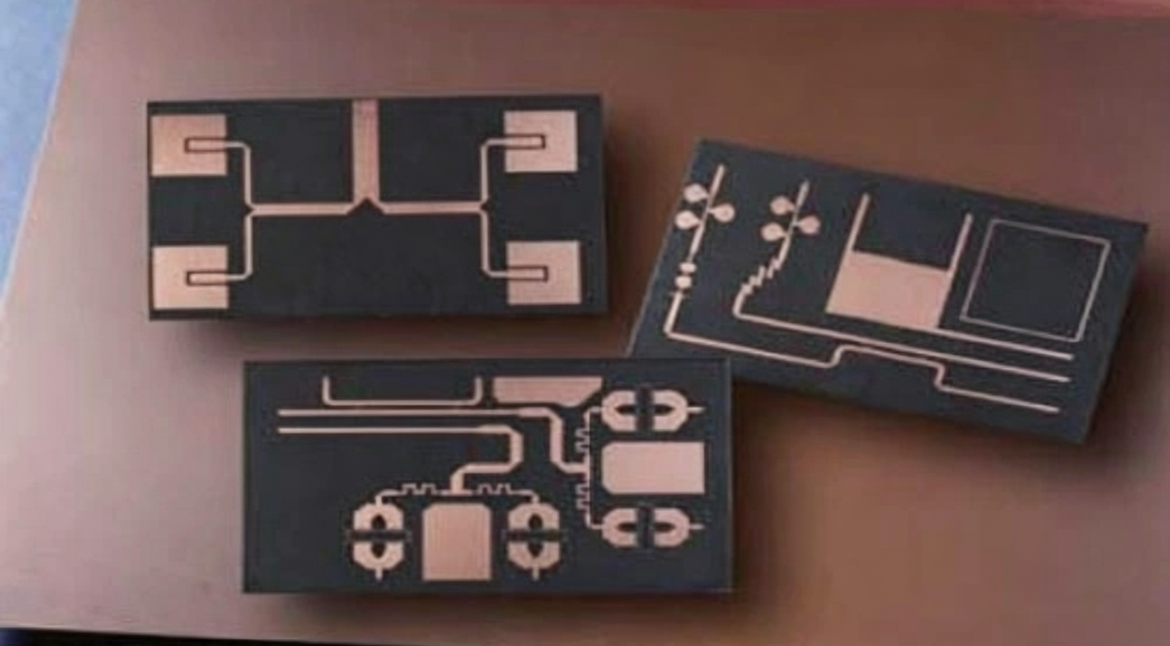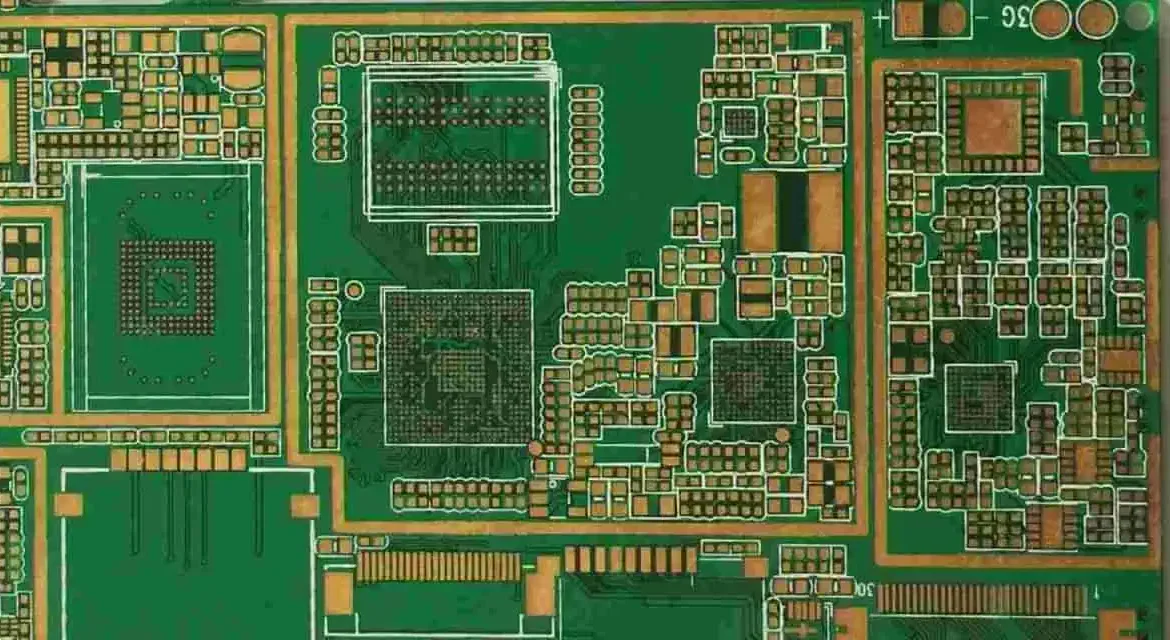
PCB Technology Trends: Embedded Components, HDI and Additive Processes Component embedding, finer HDI lines, additive copper and higher-temperature laminates are the four PCB technology trends reshaping how a board gets built, and each one changes what a designer can reasonably put into a stackup. Watching those shifts is not academic:…
ICT Testability Rules for PCB Layout In-circuit test has been declared obsolete more times than any other test method, and it is still on the floor of most high volume assembly plants. The reason is speed: a fixture can check every component on a board in a few seconds, and…
PCB Conformal Coating Thickness Verification: How Thick the Coat Is Electronics manufacturing has become a discipline of small details. Solder paste volumes, placement accuracy, temperature profiles and inspection limits all add up to the final result. This guide looks at PCB conformal coating thickness verification from the perspective of a…
Crystal Oscillator vs Active Clock in PCB Design Every digital design has at least one clock, and the component that generates it is often chosen in a hurry. A passive crystal and an active oscillator are both sold as clocks, they occupy a similar footprint, and their behaviour is quite…
Impedance Continuity in PCB Design A trace has a characteristic impedance only while its geometry is consistent. The moment the return path changes, the width changes or a via interrupts the structure, the impedance changes with it, and the signal reflects. Impedance continuity is the practice of keeping that structure…
Op Amp PCB Design Techniques for Low Level Signals An operational amplifier circuit is drawn on a schematic as a triangle with a few resistors around it, and the schematic says nothing about how it will perform. The same circuit built on a carefully arranged layout and on a careless…
Power Plane Decoupling to Cut Common-Mode EMI Most designs treat a decoupling capacitor as the answer to power integrity, and for the first few hundred megahertz that assumption holds. Above that, the capacitor stops behaving like a capacitor and the power distribution network starts behaving like an antenna. The resulting…
Bluetooth PCB Design Guidelines for Stable 2.4 GHz Links Bluetooth radios are inexpensive, well documented, and easy to buy as a certified part. That is exactly why so many products still fail radiated emissions testing or lose range in the field: the radio is fine, but the layout around it…
PCB Gasket Compression Force: What Buyers and Engineers Should Check Electronics manufacturing has become a discipline of small details. Solder paste volumes, placement accuracy, temperature profiles and inspection limits all add up to the final result. This guide looks at PCB gasket compression force from the perspective of a PCBA…
Microstrip vs Grounded Coplanar Waveguide for RF Boards A microstrip line and a grounded coplanar waveguide carry the same signal, but they behave differently in ways that matter once the frequency climbs into the gigahertz range. Both are quasi-TEM structures: the electric field runs between the conductor and the ground,…