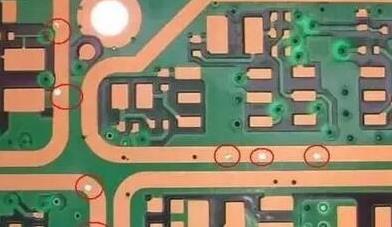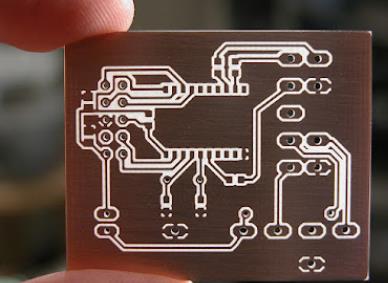
In modern electronic products, the printed circuit board is a fundamental part of almost every electronic system. The quality of the PCB directly affects the electrical performance, assembly yield, and long-term reliability of the finished product. For this reason, effective PCB Quality Control must begin well before the final assembly…

SMT Printing and Placement: The First Steps of Quality Assembly Modern electronics depend on boards that are assembled correctly the first time. Every product – a phone, a charger, a medical instrument or an industrial controller – relies on thousands of solder joints that must conduct current for years. The…
SMT Assembly Stability: How to Make Surface Mount Boards Reliable Buyers and engineers often focus on the finished product and forget the production line behind it. In practice, most field failures can be traced back to process decisions made during assembly. The same discipline applies to SMT Assembly Stability, where…
SMT Board Unloading Machine: Protecting Boards at the End of the Line Electronics manufacturing has become a discipline of small details. Solder paste volumes, placement accuracy, temperature profiles and inspection limits all add up to the final result. The same discipline applies to SMT Board Unloading Machine, where a small…
SMT Board Flipping Machine: Keeping Double-Sided Assembly Flowing Buyers and engineers often focus on the finished product and forget the production line behind it. In practice, most field failures can be traced back to process decisions made during assembly. The same discipline applies to SMT Board Flipping Machine, where a…
SMT Adhesive Application: Bonding Components Before Reflow Modern electronics depend on boards that are assembled correctly the first time. Every product – a phone, a charger, a medical instrument or an industrial controller – relies on thousands of solder joints that must conduct current for years. The same discipline applies…
SMT Reference Designator U: IC Marking and PCB Assembly Guide Buyers and engineers often focus on the finished product and forget the production line behind it. In practice, most field failures can be traced back to process decisions made during assembly. The same discipline applies to SMT Reference Designator U,…
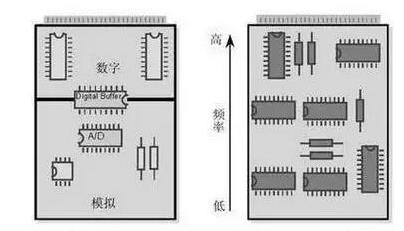
Designing a mixed-signal PCB requires a clear understanding of how analog and digital circuits interact. Unlike a purely digital or purely analog board, a mixed-signal PCB contains circuits with very different noise tolerances, signal characteristics, return-current behavior, and electromagnetic coupling mechanisms. A successful Mixed-Signal PCB Design therefore cannot rely on…
As electronic products continue to become thinner, smaller, lighter, and more highly integrated, printed circuit boards require increasingly sophisticated manufacturing processes. High-density interconnect structures, fine-pitch components, BGA packages, and advanced SMT assembly have created higher requirements for PCB Manufacturing, particularly for via protection, solder mask control, surface flatness, and solderability.…
During Reflow Soldering, PCBs are exposed to rapid heating and cooling. Because a printed circuit board is a composite structure made from copper foil, resin, glass fabric, and other materials, differences in thermal expansion can generate internal stress and cause the board to bend, twist, or warp. Severe PCB Warpage…