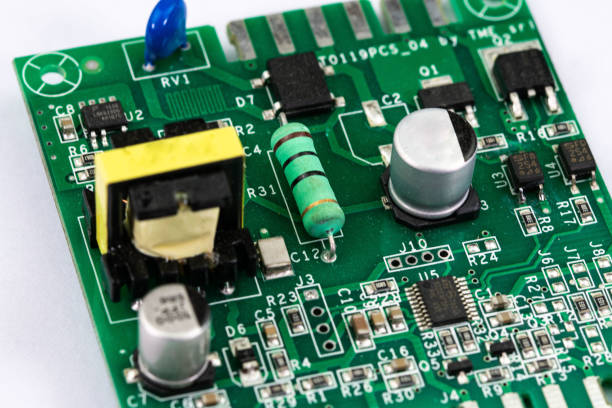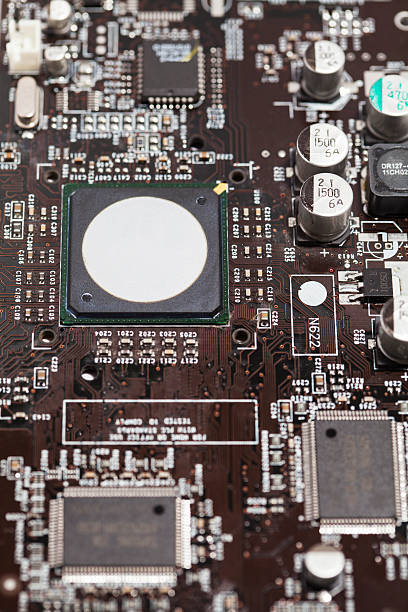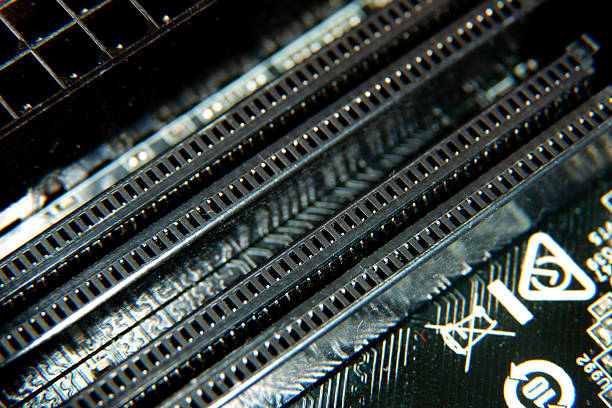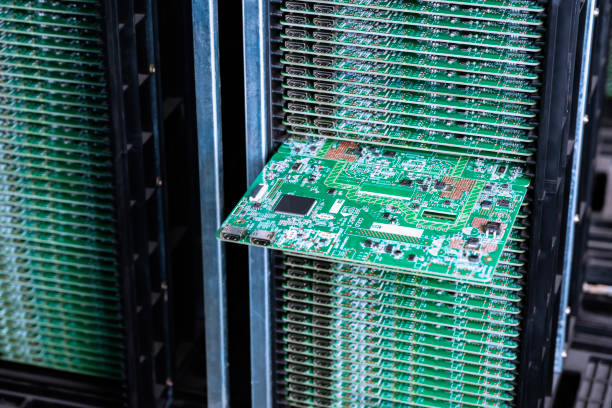
Through-Hole vs Blind vs Buried Via PCB Via choice shapes the whole build, not just the drill file. A through-hole via passes through every layer of the board. A blind via starts at an outer surface and stops at an inner layer. A buried via sits entirely inside the stack…
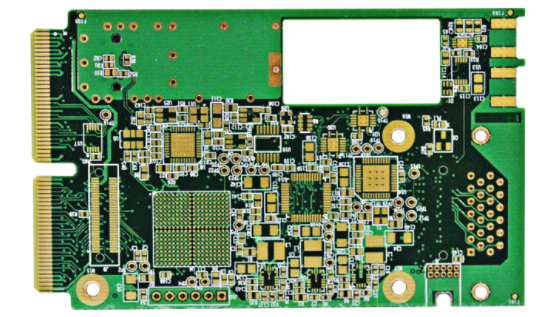
As electronic information technology continues to advance rapidly, industries such as telecommunications, medical equipment, industrial control, data storage, aerospace, and consumer electronics are experiencing significant growth. Companies across the electronics supply chain are continuously improving their manufacturing capabilities to meet increasingly demanding customer requirements. At the same time, electronic products…
Essential PCB Design Basics Every Engineer Should Know Most PCB problems start long before the first panel reaches the line. They begin in the design file, where stackup, spacing and footprint choices set limits on everything that follows. Engineers who treat design as a drawing exercise often pay for it…
Why a Specialized PCB Manufacturer Can Help Reduce Costs Two quotes for the same board can differ by a wide margin, and the lower number is not always the cheaper job. The gap usually sits in the parts of the build that never reach the quotation summary. It sits in…
Cost-Effective PCB Solutions: Choosing the Right Process PCB cost control starts long before a quotation arrives. The process you choose fixes material spend, yield, and the amount of inspection the job needs. Many teams worry that a lower-cost route will weaken reliability, while a premium route will break the budget.…
Overcoming PCB Delivery Bottlenecks with Smart Manufacturing Late boards rarely fail because one machine is slow. They fail because information waits between steps, and nobody sees the queue forming. Smart manufacturing attacks that waiting directly. It links order intake, engineering review, production scheduling and inspection into one flow, so each…
Reduce PCB Costs and Improve Efficiency by Choosing a Manufacturer Most PCB buyers compare quotations by looking at the unit price alone. That number hides the costs that arrive later, such as rework, expedited freight and line stoppages. A manufacturer with disciplined planning and clear documentation removes many of those…
20-Layer PCB Manufacturing for Advanced Electronics A twenty-layer board is not simply a thicker version of a six-layer board. The stackup, the registration budget and the lamination cycle all change the way the job must be planned. Buyers who compare quotes on layer count alone often miss the decisions that…
High-Precision PCB Manufacturing for Complex Designs Complex boards rarely fail because of one dramatic mistake. They fail because small tolerances stack up across many process steps. A fine-pitch layout, a tight impedance target and a mixed material stack all push the same production line in different directions. High-precision PCB manufacturing…
ENIG, HASL, or OSP? PCB Surface Finish Selection Guide Surface finish is the last process step on a bare board, and it decides how that board behaves for the rest of its life. The coating protects exposed copper from oxidation and keeps the pad solderable until assembly. Three finishes dominate…