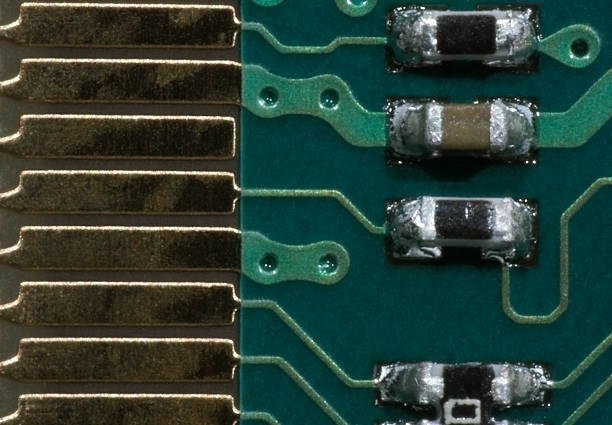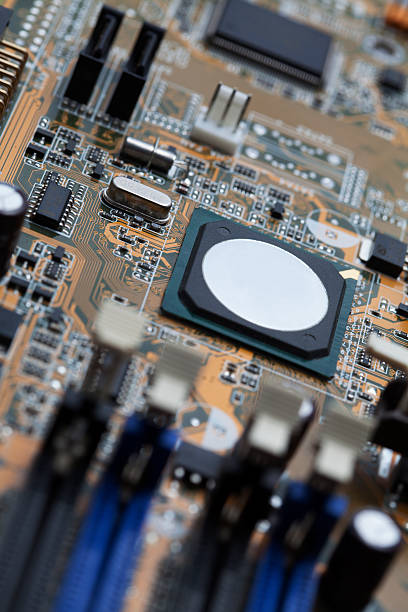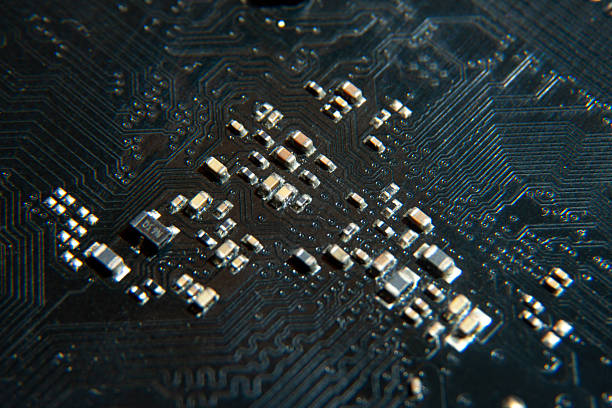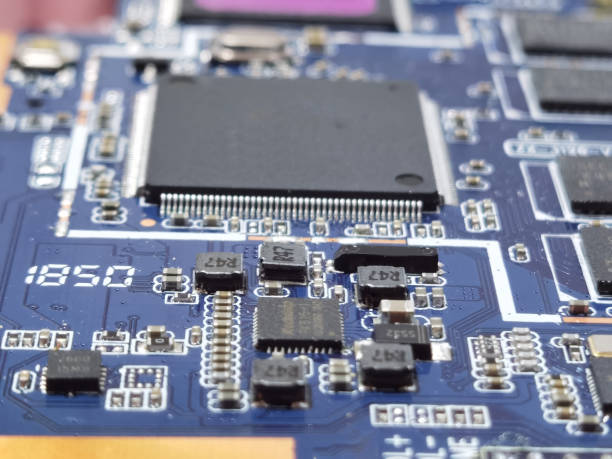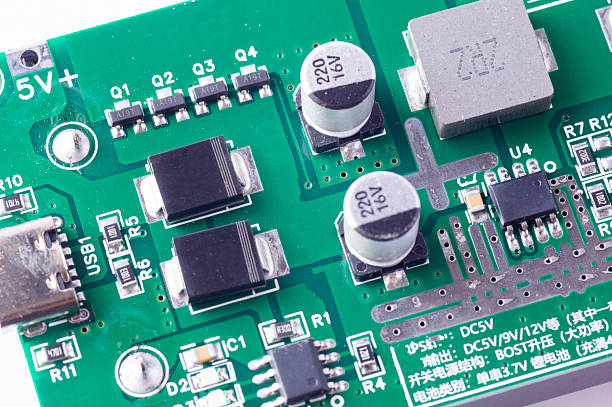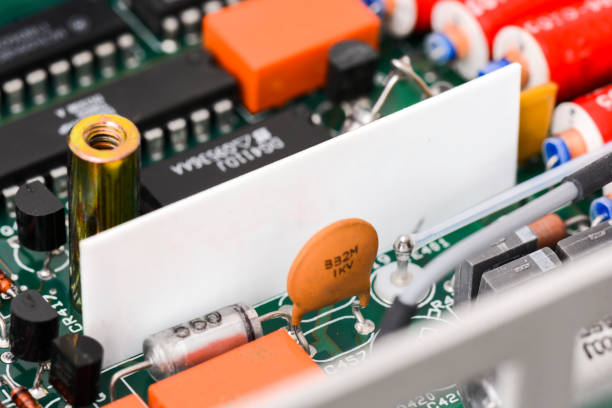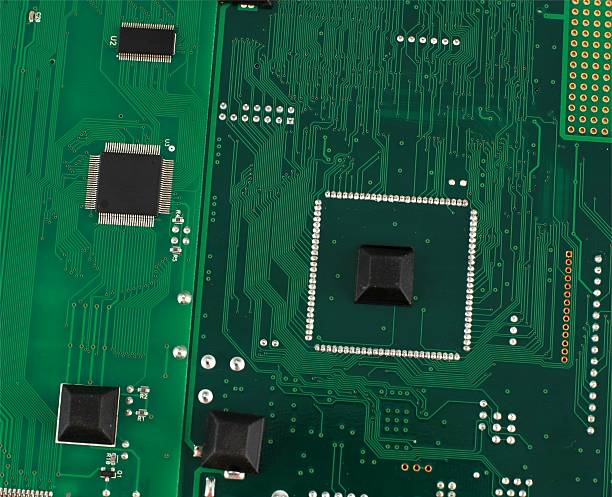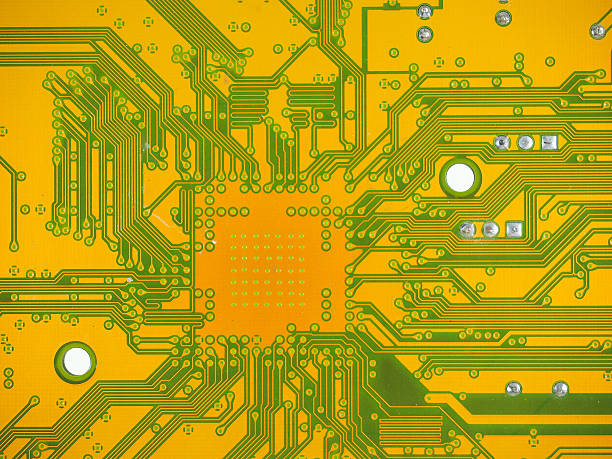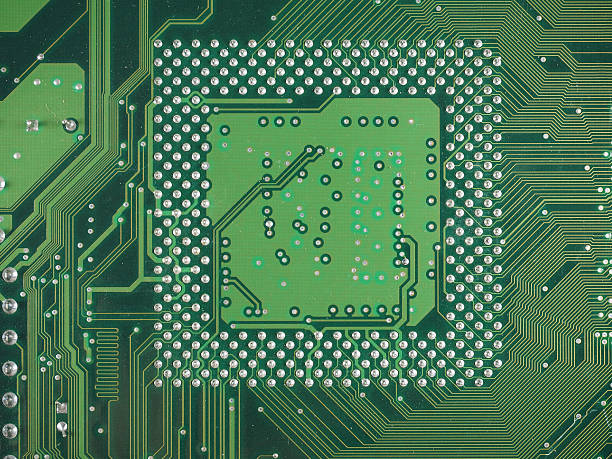
How a High-Quality PCB Is Manufactured Step by Step A high-quality PCB is not made by one machine or one inspection. It comes from a chain of controlled steps that starts with material selection and ends with packing. Each step changes what the next step can achieve, so weakness in…
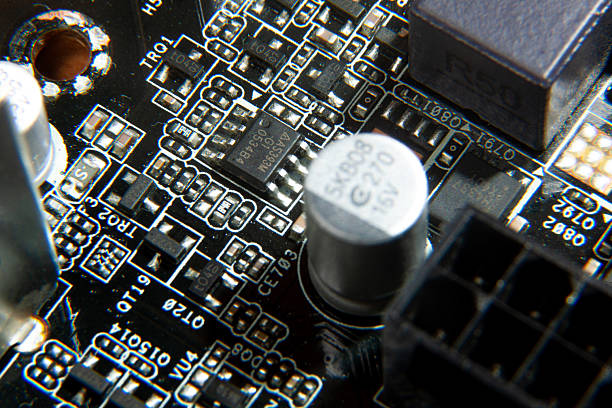
Where Signal Integrity Begins in PCB Manufacturing Signal integrity is often treated as a design problem alone. In practice, the board that leaves the factory decides whether the design works. Trace width, dielectric thickness, copper roughness and layer alignment all shift during fabrication. Each shift moves impedance away from the…
PCB Warpage Causes and Control in Manufacturing A flat board is not a cosmetic preference. Warpage changes how paste prints, how parts sit on pads, and how joints form in reflow. It also puts stress on solder joints after assembly, especially on large components and connectors. Buyers often see the…
PCB Manufacturing Focus: What a Specialist Factory Changes Two factories can quote the same board and still differ in how the work is controlled. The gap sits in decisions that never reach the summary: how the stackup is frozen, which process window is recorded, and who signs off a deviation.…
GOPCBA PCB Manufacturing Technology and Innovation Review Circuit boards now carry denser routing, faster signals and tighter tolerances than they did a decade ago. Buyers expect prototypes in days and volume builds without surprises. Meeting both demands requires more than new machines. It requires process control, engineering review and a…
Why Companies Choose GOPCBA for PCB Manufacturing Buyers rarely choose a PCB supplier on price alone. They compare how each factory controls the process, records the result and answers questions when a build drifts. GOPCBA competes on that ground: fabrication and assembly under one roof, engineering review before tooling, and…
Layer Alignment in 10-Layer and Multilayer PCBs A 10-layer board stacks ten copper patterns on one another, and every pattern must land where the drill expects it. Small shifts do not stay small. They add up through the stack until a via misses its target pad or an impedance line…
High Reliability PCB Solutions for Industrial Control Industrial control equipment rarely fails on a lab bench. It fails after years of heat, vibration and humidity, often during a production shift that cannot stop. That is why the reliability of a control board is decided long before the first panel enters…
Implantable Medical PCB Reliability and Materials An implantable device leaves no room for a field service call. Once the electronics sit inside the body, every joint, coating and laminate must hold its behavior for years. The PCB carries components, routes signals, spreads heat and keeps interconnections intact. Yet electrical specs…
Complex PCB Manufacturing for High-Reliability Use High-reliability electronics rarely fail because of one dramatic mistake. They fail because several small process decisions were never coordinated. Complex PCB manufacturing brings heavy copper, resin-filled vias, castellated edges, and machined features onto one board. Each process changes the conditions for the next one.…