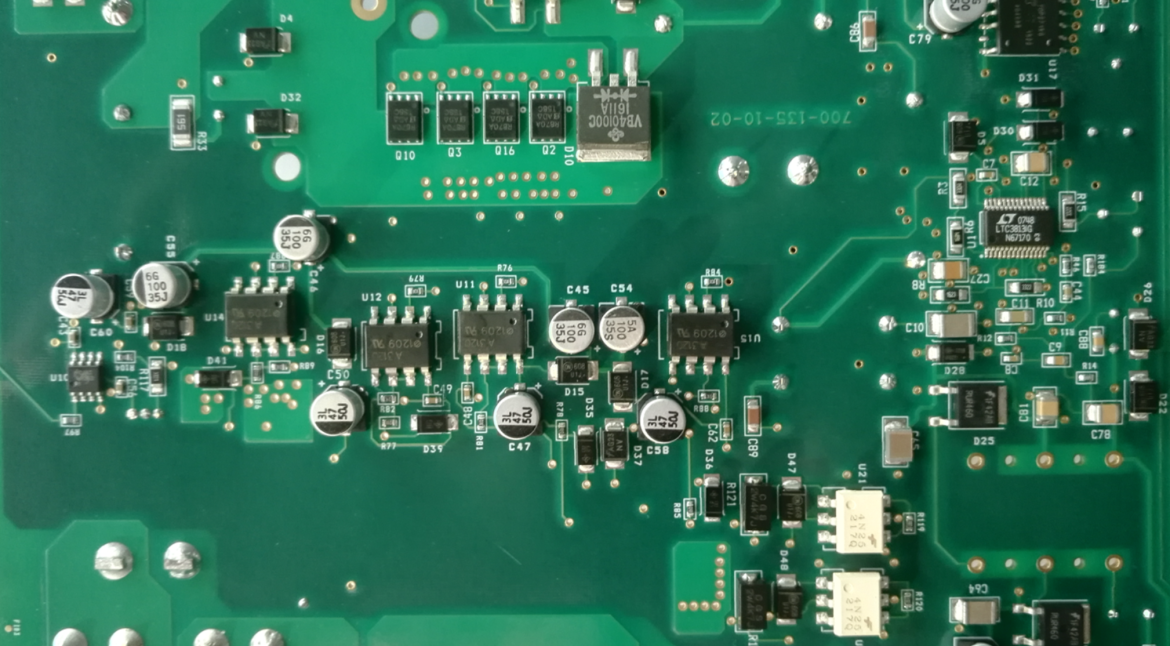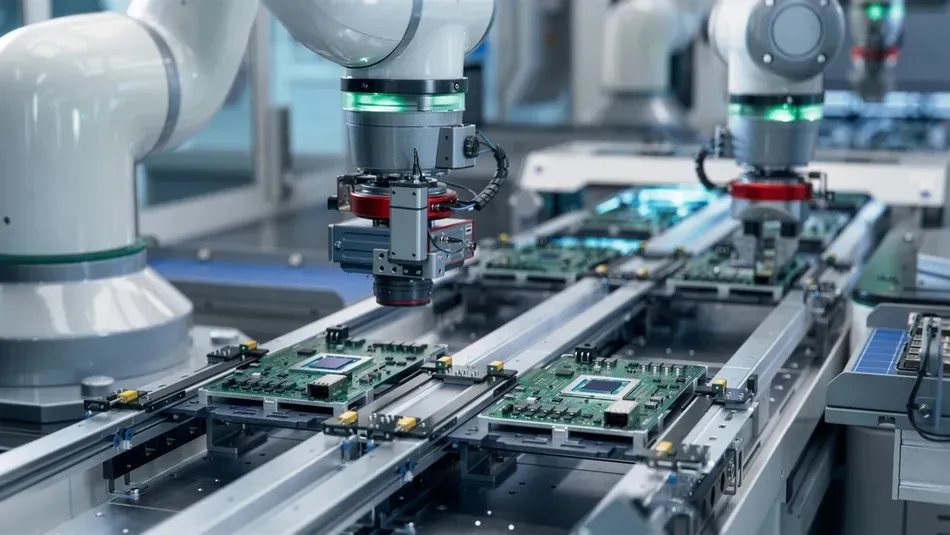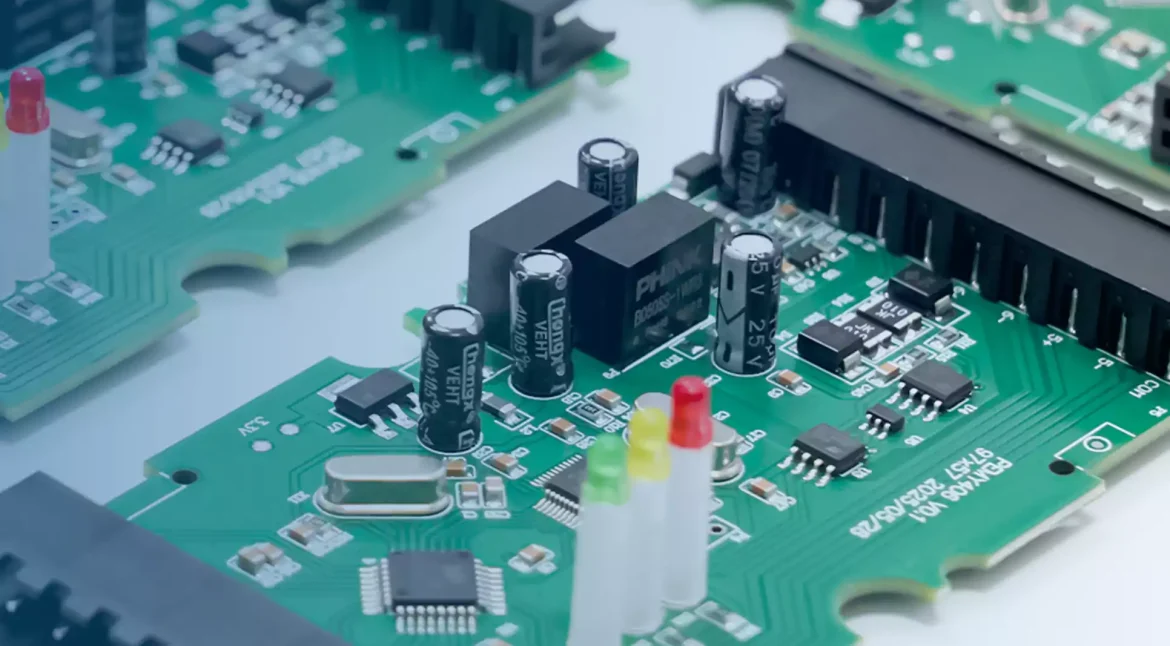
PCB Stencil: Types, Materials, Manufacturing Process, Design Guidelines, and Applications As PCB manufacturing technology continues to evolve, Surface Mount Technology (SMT) has become one of the most important production methods for manufacturing compact, high-density, and reliable electronic assemblies. SMT enables manufacturers to place a large number of electronic components on…
Top 15 Heavy Copper PCB Manufacturers in 2026 Heavy copper PCBs are specialized printed circuit boards designed with significantly thicker copper layers than conventional PCBs. Their enhanced copper thickness enables higher current-carrying capacity, improved thermal performance, greater mechanical strength, and increased long-term durability. As electric vehicles, renewable energy systems, battery…
Top 15 Medical PCB Manufacturers in the World in 2026 Choosing the right medical PCB manufacturer can determine whether a medical device moves smoothly through validation and regulatory preparation or becomes delayed by quality issues, documentation gaps, or manufacturing inconsistencies. Amedical PCB solder joint defect in a server may result…
Top 15 Rigid PCB Manufacturers in the World in 2026 The global electronics industry continues to rely heavily on rigid printed circuit boards (PCBs) across consumer electronics, automotive systems, industrial equipment, medical devices, telecommunications, aerospace, and many other applications. As electronic products become smaller, faster, more powerful, and increasingly integrated,…
Top 15 Metal Core PCB Manufacturers in 2026: Global MCPCB Suppliers Compared Choosing the right Metal Core PCB manufacturer is critical when developing electronic products that generate significant amounts of heat. Unlike conventional FR-4 circuit boards, metal core printed circuit boards use a thermally conductive metal substrate to improve heat…
HDI PCB: Structure, Materials, Manufacturing Process, Advantages, Applications, and Design Guide Modern electronic products are becoming smaller, faster, smarter, and more powerful. Smartphones, laptops, home appliances, medical devices, aerospace systems, automotive electronics, advanced communication equipment, and countless other electronic products have become essential to everyday life. As these products continue…
Single-Sided PCB Design Guide for Buyers A single-sided board carries copper on one face only, so the layout, the drill file and the assembly drawing must agree on which face that is. That sounds trivial until a mirrored Gerber reaches the drill floor. Buyers and engineers who treat this structure…
PCB Solder Mask Design: Rules, Openings and Bridges A double-sided board carries copper, solder mask and silkscreen on both faces. Plated holes and vias connect the top and bottom copper layers. Solder mask sits above the copper and decides which metal stays covered and which stays bare. That single decision…
Multilayer PCB Stackup Structure and Impedance Control A multilayer stackup fixes the electrical environment of every trace before routing begins. Copper weight, dielectric thickness, prepreg compression, and reference-plane placement all shape the final impedance. Engineers who treat the stackup as a drawing detail often pay for it later in tuning,…
PCB Copper Pouring: Design Guidelines and Best Practices Copper pouring fills the unused areas of a PCB layer with copper. Designers use it to improve grounding, lower impedance, carry more current, and spread heat. It can also help control electromagnetic interference when the copper is connected and shaped with care.…