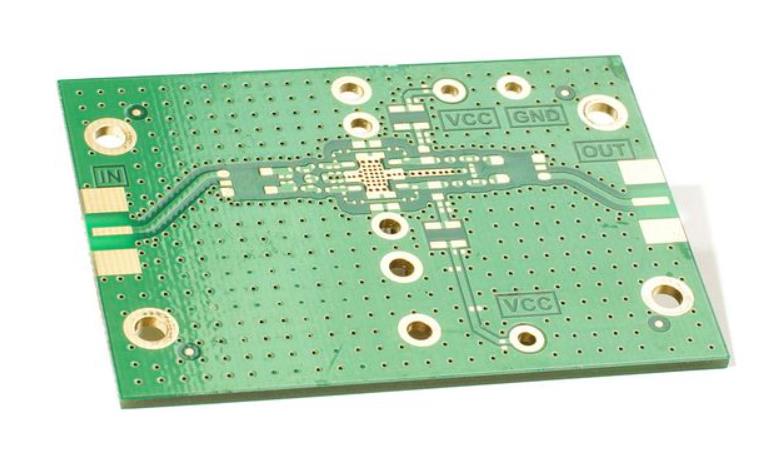
SMT Connector Design Guide: From Design to Repeatable Production SMT connector design must provide reliable solder joints, mechanical support, and stable electrical contact in a small surface mount package. Connectors are different from ordinary chip components because they are inserted and removed many times during service. The repeated insertion force…
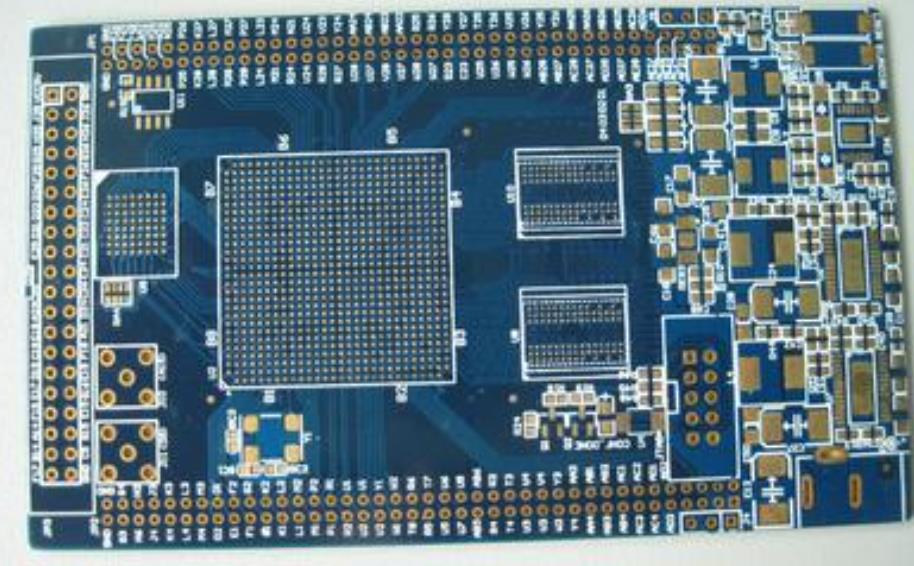
PCB Solder Mask Touch Up: Process, Standards and Cost Guide What PCB Solder Mask Touch Up Means PCB solder mask touch up is the controlled repair of local solder mask defects on an otherwise good board, using matching mask material instead of scrapping the whole panel. Solder mask protects the…
5S Implementation in SMT Factory: Practical Guide 5S implementation in SMT factory creates a clean, organized, and disciplined production environment. The five steps are sort, set in order, shine, standardize, and sustain. When applied in an SMT workshop, 5S reduces lost materials, prevents operator errors, improves machine reliability, and makes…
Smart Water Meter PCB: Design, Material and Cost Guide What a Smart Water Meter PCB Does A smart water meter PCB is the electronic core of a modern metering device, replacing the simple register of a mechanical meter with sensing, computing, storage and wireless communication on one board. The smart…
SMT Visual Management and Factory Process Guide SMT visual management helps factory operators see the normal state of the production line at a glance. A well-organized SMT workshop uses labels, color codes, instruction boards, and clear process displays so that every person can understand the job requirement without searching for…
Plasma Etching vs Chemical Etching: PCB Process Comparison Guide Why the Etching Process Decides Trace Quality Plasma etching and chemical etching both remove unwanted copper to form circuit traces, but they produce very different results in precision, edge quality and cleanliness, and choosing between them affects the cost and reliability…
3D AOI in SMT Production: A Practical Review for Manufacturing Teams 3D AOI in SMT production gives manufacturers a fast, accurate way to inspect printed circuit boards for soldering defects. AOI stands for automatic optical inspection. The system uses cameras and optical technology to scan the PCB, capture images, and…
PCB Plating Thickness: Standards, Measurement and Design Guide Why PCB Plating Thickness Drives Reliability PCB plating thickness is the amount of metal deposited on the conductors and hole walls of a board, and it controls conductivity, mechanical strength, thermal behavior and long-term reliability. The most critical value in manufacturing is…
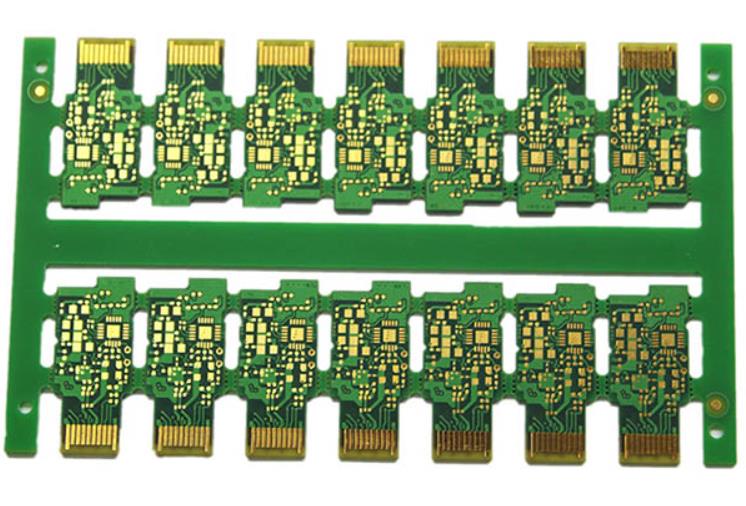
Flexible PCB Outline Design: Process, Tolerance and Cost Guide Why the Flexible PCB Outline Deserves Attention The flexible PCB outline is the mechanical profile of the board, and it decides whether the finished flex circuit assembles cleanly, bends reliably and survives volume production. Engineers spend most of their design effort…
Aerospace PCB Connectors: Selection and Reliability Guide Aerospace PCB connectors must survive conditions that are far more demanding than a normal commercial environment. Spacecraft, satellites, and interplanetary systems face radiation, extreme temperatures, and strong vibration during launch. The connector is a critical link between circuit boards, power systems, and mission…