PCB Manufacturing Process

Multilayer PCB Manufacturing: Key Factors and Process Considerations

A Multilayer PCB is one of the most important components in modern electronic products. As electronic devices continue to become smaller, faster, and more integrated, multilayer circuit boards are increasingly used to achieve higher routing density, better electrical performance, and more compact product designs. Unlike single-sided or double-sided circuit boards,…
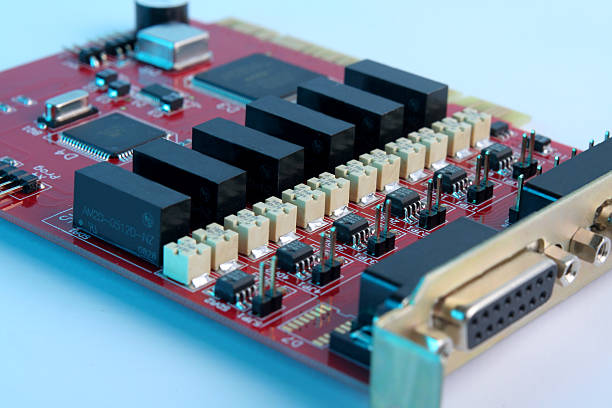
Printed Circuit Board (PCB)

PCB Reliability: Key Factors, Testing Methods, and Manufacturing Control

Introduction One of the fundamental functions of a Printed Circuit Board (PCB) is to provide reliable electrical signal transmission and interconnection between electronic components. PCB Reliability refers to the ability of a PCB to maintain its intended electrical, mechanical, and physical performance throughout its expected service life. In other words,…
rigid-flex PCB

Desmear and Etch-Back Technology for Rigid-Flex PCB Manufacturing

As electronic products continue to become smaller, thinner, and more highly integrated, the circuit structures of modern rigid-flex PCB designs are becoming increasingly complex. High-density interconnections, fine lines, microvias, and multiple material systems have created increasingly demanding requirements for PCB manufacturing processes. After mechanical drilling, resin smear and drilling debris…
271

PCB Replacement Cost: Repair, Replacement & PCB Manufacturing | Kingda

PCB Replacement Cost: PCB Repair, Replacement & Manufacturing Cost Guide A Printed Circuit Board (PCB) is designed and manufactured to reliably meet the requirements of its final application. It is a complex technical assembly consisting of conductive layers, electronic components, interconnections, and mechanical structures that work together under specific operating…
full turnkey electronics manufacturing

How to Change PCB Board Size in Altium: Complete Design Guide

How to Change PCB Board Size in Altium: Step-by-Step PCB Design Guide PCB design is a highly technical process involving numerous parameters that directly affect manufacturing, assembly, mechanical integration, electrical performance, and product reliability. Everything that follows—from fabrication to component assembly—depends heavily on the design data finalized during the PCB…
Hard disk base for PC

PCB Thickness: Standard Thickness, Tolerance & Selection Guide

  PCB Thickness: Standard Thickness, Factors, Tolerances, and Selection Guide The thickness of an object is generally defined as the distance between its two outermost surfaces. In mechanical engineering and product development, thickness is an important design parameter because it can affect structural strength, weight, dimensions, and assembly compatibility. The…