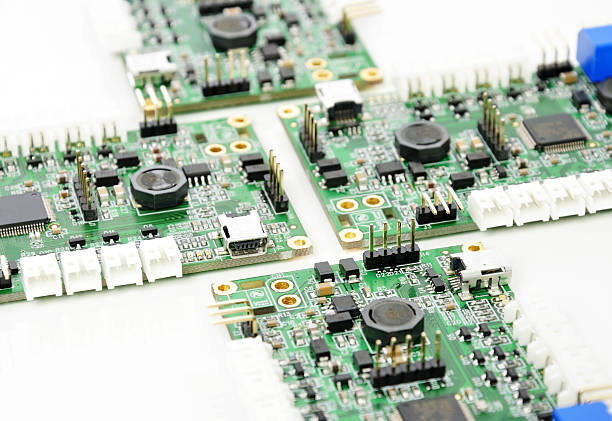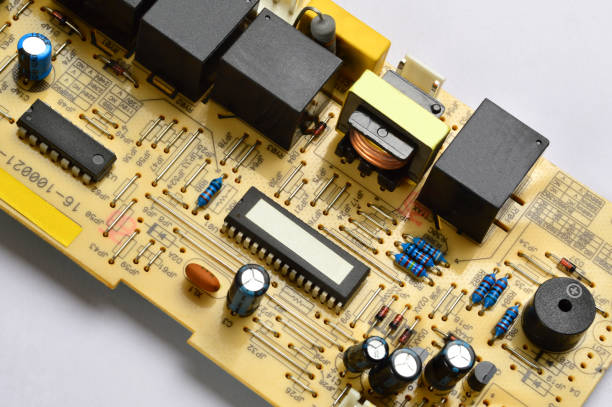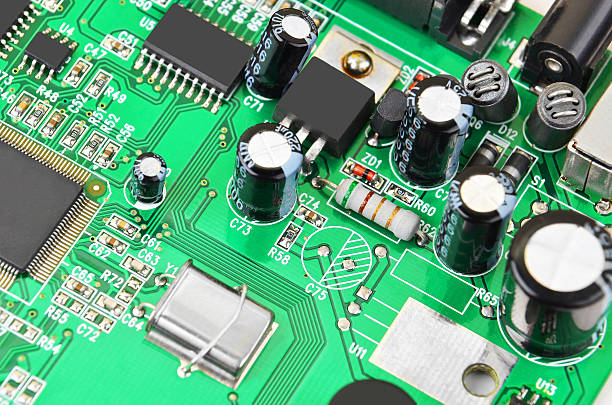
Assembled PCBs laid out in a star shape.

Miniaturized PCB Manufacturing

Miniaturized PCB Manufacturing: Design and Assembly Considerations What Is a Miniaturized PCB? As electronic products continue to become smaller, lighter, and more highly integrated, the demand for miniaturized PCB technology is growing rapidly. Wearable devices, medical electronics, IoT sensors, compact communication equipment, and other space-constrained products require circuit boards that…
PCB assembly quality assurance

EV Charging Station Power Module PCB

EV charging station PCB Power Module PCB: A Practical Review for Manufacturing Teams EV Charging Station Power Module PCB: A Critical Part of Charging Infrastructure The rapid expansion of electric vehicles (EVs) is driving strong demand for reliable and efficient charging infrastructure. Whether used in residential garages, commercial parking facilities,…
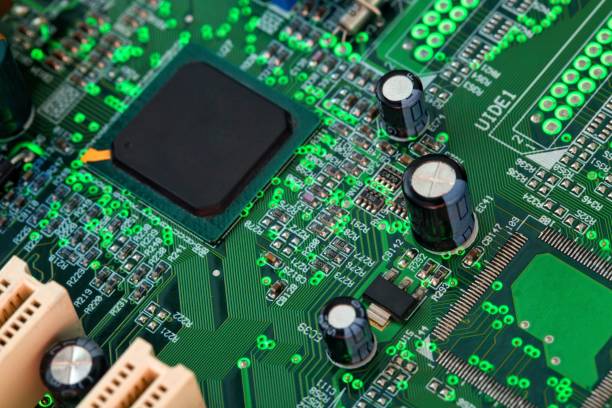
Green printed computer motherboard with microcircuit, close-up

FR4 PCB High-Frequency PCB Materials: Key Differences and Applications

FR4 PCB High-Frequency PCB Materials: From Prototype to Volume Production Choosing the right substrate is one of the most important decisions in PCB development. Material properties directly affect impedance, signal integrity, thermal performance, mechanical reliability, manufacturing cost, and long-term product performance. Among the many PCB substrate options available today, FR4…
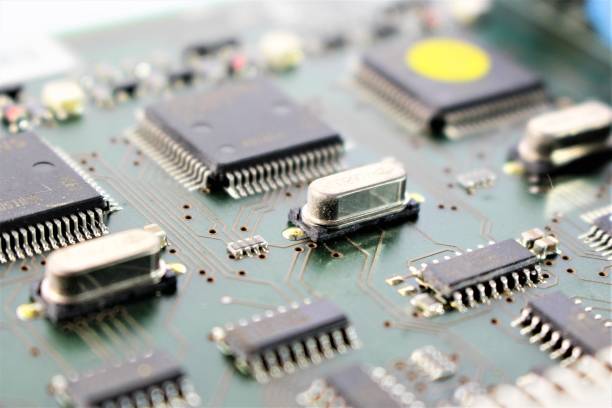
Close-up computer motherboard

Impedance-Controlled PCB Parameters for Signal Integrity

What Parameters Are Required for an impedance controlled PCB ? Modern smartphones, servers, communication equipment, networking hardware, and other electronic products increasingly depend on high-speed signal transmission. As data rates and operating frequencies increase, signal integrity becomes more difficult to maintain. The same discipline applies to impedance controlled PCB, where…
full turnkey electronics manufacturing

Radar System High-Frequency PCB Manufacturing

Radar System PCB: High-Frequency Manufacturing and Reliability Why High-Frequency PCBs Matter in Radar Systems Radar systems rely on high-frequency electromagnetic signals to detect, locate, track, and identify targets. Within these systems, the PCB provides the electrical platform for RF signal transmission, processing, control, and power distribution. The same discipline applies…
PCB design for manufacturability

PCB Copper Thickness: Standard and Heavy Copper

  PCB Copper Thickness: From Design to Repeatable Production   Copper thickness is one of the fundamental parameters that determines a PCB’s electrical and thermal performance. Different applications require different copper weights depending on current load, heat dissipation, mechanical constraints, signal requirements, and overall board design. From everyday consumer electronics…